
Companion Plants
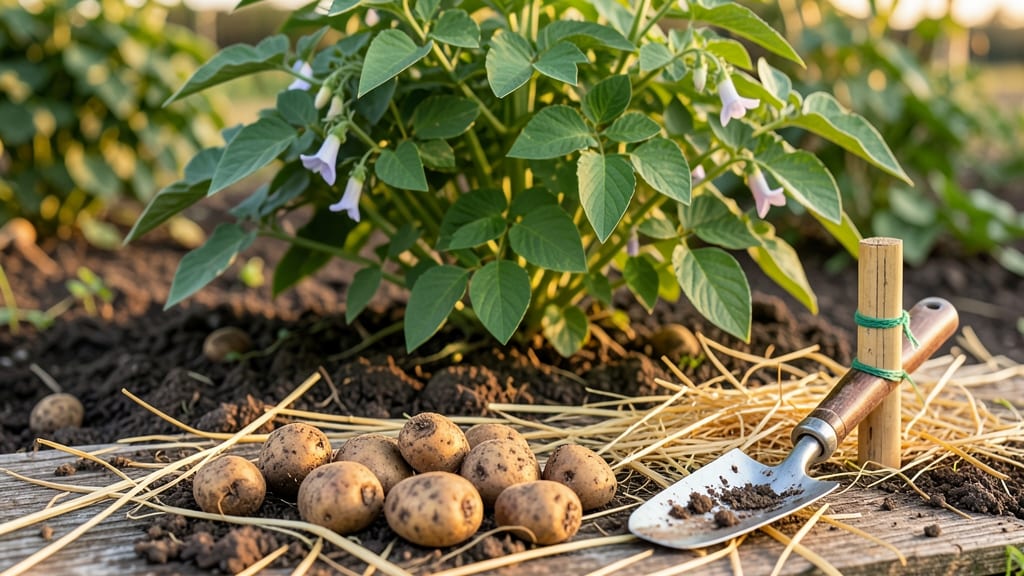
If you're wondering "when can I plant potatoes in Zone 7", timing is the secret weapon between a bountiful harvest and wasted effort. The difference between 2–4 weeks before your last frost date and planting too early can mean the difference between thriving 🥔 plants and frost-damaged tubers.
Zone 7 gardeners know the drill—cool springs and unpredictable frost make potato planting a calculated risk. But here's the good news: with the right schedule, you can stretch your growing season and enjoy homegrown potatoes from summer through fall.
I'll break down the exact windows for planting, including how to adjust for early vs. late varieties and regional microclimates.
Let's start with the basics: soil temperature thresholds (aim for 45–50°F) and frost-free deadlines that actually work in Zone 7. Whether you're in the Piedmont or coastal areas, these guidelines will help you avoid common pitfalls like slow germination or stunted growth.
You'll also discover how to troubleshoot planting mistakes—like yellowing leaves or stunted sprouts—and when to adjust your schedule for maximum yield. Ready to dig in? Let's get those potatoes in the ground at the perfect time.
Zone 7 potato planting calendar: exact weeks before last frost for optimal growth
Potatoes thrive in Zone 7's mild winters, but timing is critical—plant too early, and frost will kill tender sprouts; too late, and you’ll sacrifice yield.
The last average frost date in most of Zone 7 falls between March 15 and April 15, depending on microclimates like Piedmont valleys or coastal areas.
For maximum tuber production, aim to plant 2–4 weeks before your last frost. This window ensures soil reaches 45–50°F (7–10°C), the ideal temperature for germination.
In northern Zone 7 (e.g., Lynchburg), this means mid-March to early April, while southern areas (e.g., Raleigh) can start as early as late February.
Use this Zone 7 planting timeline to align your schedule with soil conditions and frost risk. Early varieties like Yukon Gold can handle cooler soils, while late varieties like Red Pontiac need warmer temperatures to avoid disease.
Zone 7 Potato Planting Summary
| Stage | Action | Soil Temp | Notes |
|---|---|---|---|
| Pre-Plant | Test soil pH (5.0–6.5) | — | Adjust with lime/sulfur |
| Planting Window | 2–4 weeks before last frost | 45–50°F (7–10°C) | Use black plastic mulch for warmth |
| Germination | Sprouts in 10–20 days | 50–60°F (10–15°C) | Keep soil moist (1" deep) |
| Harvest Ready | 70–90 days after planting | 60–70°F (15–21°C) | Stop watering 2 weeks prior |
In cooler microclimates (e.g., higher elevations in Zone 7), delay planting until soil warms consistently. Use a soil thermometer to confirm temperatures—cold soils slow germination and increase rot risk. If frost threatens after planting, cover beds with row fabric until danger passes.
For fall planting (a Zone 7 option), choose early-maturing varieties like Kennebec and plant 60–70 days before first frost (typically late July–early August). This strategy extends your harvest but requires well-draining soil to prevent waterlogging during fall rains.
Pro tip: Chit your seed potatoes (expose to light for 2–3 weeks before planting) to jumpstart sprouting. This gives you a 2-week head start on growth, especially critical if your spring is unpredictable. Store chitted potatoes in a cool, dark place until planting day.
Regional variations matter—coastal Zone 7 areas (e.g., Wilmington) may start planting 2 weeks earlier than inland zones due to milder winters. Check your local USDA frost map or ask nearby gardeners for their last frost dates—even a 10-day difference can affect yield.
Once planted, maintain consistent moisture (1–2 inches per week) and hiller soil every 2–3 weeks to encourage tuber formation. Avoid overwatering, which leads to scab disease—a common issue in Zone 7’s humid summers.
Remember: Potatoes need 90–120 frost-free days to mature. In Zone 7, this means planting by mid-April at the latest for a summer harvest. Late plantings may only yield small, underdeveloped tubers before fall frost.
🌱
How to adjust planting time for early vs. late potato varieties in Zone 7
Not all potato varieties thrive on the same schedule in Zone 7. Early varieties like Red Pontiac need planting 2–4 weeks before last frost, while late varieties like Yukon Gold can wait until 4–6 weeks after last frost.
The difference? Cold tolerance and maturation speed. Early potatoes sprout faster in cool soil, while late varieties handle warmer temperatures better.
Your Zone 7 last frost date typically falls between March 15–April 15, depending on microclimates. For example, Piedmont regions (like Raleigh) may have frost until April 1, while coastal areas (like Charleston) can plant earlier. Always check your local USDA frost map for precision.
Here’s the key difference: Early varieties (e.g., Kennebec) need 60–70 days to harvest, while late varieties (e.g., Russet Burbank) take 90–110 days. Planting a late variety too early risks bolting (premature flowering), while planting early varieties too late delays harvests past peak season.
| Variety Type | Planting Window | Days to Harvest | Zone 7 Ideal Dates | Frost Risk |
|---|---|---|---|---|
| Early Varieties | 2–4 weeks before last frost | 60–70 days | March 15–April 1 | High if planted too late |
| Mid Varieties | 4–6 weeks before last frost | 70–85 days | April 1–April 15 | Moderate |
| Late Varieties | 4–6 weeks after last frost | 90–110 days | May 1–May 15 | Low (heat-sensitive) |
For maximum yields, I recommend planting both early and late varieties in Zone 7. Start with early potatoes in March for a June harvest, then follow with late varieties in April for a September–October harvest. This staggered approach ensures a continuous supply and reduces waste.
Pro tip: Use black plastic mulch to warm soil faster for early plantings. This can shave off 1–2 weeks from your planting window, giving you an earlier start. Just remove it once sprouts appear to prevent overheating.
If you’re unsure about your last frost date, err on the side of planting early. Potatoes can handle light frost (down to 28°F), but heavy frost will kill young plants. Always monitor your local weather forecast and adjust mulching or row covers accordingly.