
Companion Plants
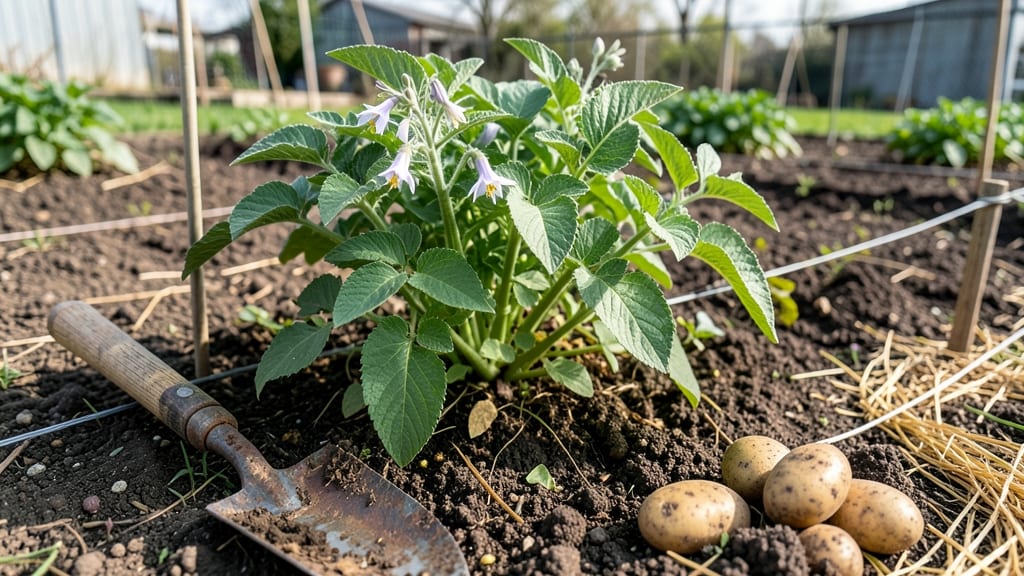
If you're wondering when can I plant potatoes in Zone 7b, timing is everything—getting it wrong could mean the difference between a thriving harvest and a disappointing one.
In Zone 7b, where last frosts typically hit around mid-March, planting at the right moment ensures your potatoes thrive instead of struggling. Plant too early, and frost will kill your tender sprouts. Wait too long, and you’ll miss the ideal window for maximum yield.
The key isn’t just throwing seed potatoes into the ground—it’s knowing exactly when to start them for your specific climate. Whether you’re growing early-season red potatoes or late-season russets, the right planting window prevents common problems like disease and poor tuber formation.
In this guide, I’ll show you the exact weeks before last frost that work best for both indoor starts and direct sowing. You’ll discover how soil temperature, variety selection, and even succession planting can transform your potato game. Ready to dig in?
Let’s get those 🥔 potatoes growing like a pro so you can enjoy a harvest from May through July—without any guesswork.
Zone 7b last frost dates and exact weeks to plant potatoes for maximum yield
In Zone 7b, where last frost typically arrives around March 15, timing your potato planting is critical for avoiding frost damage while ensuring tubers mature before summer heat sets in.
The ideal window spans 6-8 weeks before your last frost date, meaning you’ll want to plant between late January and early March for most varieties. This timing ensures tubers have enough time to develop before the soil warms too much, which can stress plants.
However, soil temperature is just as important as calendar dates. Potatoes won’t sprout until the soil reaches 45°F (7°C). In Zone 7b’s cooler Piedmont regions, this might mean waiting until mid-to-late February, while warmer Coastal Plain areas can start as early as early February.
Always check soil temps with a thermometer to avoid planting too soon and risking rot.
For maximum yield, aim to plant seed potatoes when you can comfortably work the soil—usually when daytime temps hover around 50°F (10°C). This balance gives your potatoes enough time to establish roots before the rush of spring growth.
If you’re unsure about your exact last frost date, local weather stations or USDA frost maps are invaluable tools.
One pro tip: Stagger your plantings every 2-3 weeks to extend your harvest season. Early plantings (late January) will produce new potatoes by late May, while later plantings (early March) yield larger tubers by July. This method also helps mitigate risks if an unexpected late frost hits.
🌱 Zone 7b Potato Planting Timeline Summary
| Stage | Action | Soil Temp | Notes |
|---|---|---|---|
| Preparation | Test soil pH (aim for 5.0-6.5) | N/A | Add compost if needed |
| Early Planting | Plant seed potatoes (late Jan) | 45°F+ (7°C+) | 4-6" deep, 12" apart |
| Mid Planting | Plant seed potatoes (Feb-Mar) | 50°F+ (10°C+) | Stagger every 2 weeks |
| Germination | Sprouts appear in 2-4 weeks | 55°F+ (13°C+) | Mulch to retain moisture |
| Harvest Ready | Tubers mature (May-July) | 60-90 days post-planting | Stop watering 2 weeks before harvest |
If you’re planting early-season varieties like Red Pontiac or Yukon Gold, you can push the envelope and plant as early as January 15 in Zone 7b’s warmer microclimates. These varieties mature in 60-80 days, giving them time to produce tubers before summer heat stress kicks in.
However, avoid planting before January 20 unless you’re using a cold frame or row covers to protect young plants.
For late-season varieties such as Russet Burbank or Kennebec, which take 90-120 days to mature, wait until mid-to-late February. Planting these too early can lead to blight or tuber rot as the soil warms.
These varieties are better suited for succession planting in early March to ensure a late-summer harvest.
One common mistake in Zone 7b is assuming that calendar dates alone dictate planting time. Always prioritize soil temperature and local microclimates. For example, valley areas may frost later than hilltops, so adjust your timeline accordingly.
Use a minimum-maximum thermometer buried in your garden bed to track soil temps accurately.
Finally, remember that Zone 7b’s growing season is long enough to support two full harvests if you stagger plantings. Start with early varieties in January, followed by mid-season types in February, and finish with late varieties in March.
This strategy ensures you’re never without fresh potatoes from late May through August.
By mastering these Zone 7b-specific timing tips, you’ll transform your potato harvest from hit-or-miss to consistently abundant. The key is balancing frost risk, soil warmth, and variety maturity—and this table gives you the exact roadmap to success. 🌱
How to adjust planting time based on potato variety (early, mid, and late season types)
Not all potato varieties thrive on the same schedule in Zone 7b. The key to maximizing your harvest lies in matching your potato type with the right planting window. Early-season varieties, like Yukon Golds, can handle cooler soils, while late-season russets need warmer conditions to mature properly.
Let’s break down the best timing for each type to ensure you get a continuous supply of fresh potatoes.
For early-season potatoes (60–90 days to maturity), such as Red Pontiac or Early Girl, aim to plant them 4–6 weeks before your last frost date—typically mid-February to early March in Zone 7b. These varieties tolerate cooler soils and can even handle light frosts, making them ideal for a quick harvest before summer heat sets in.
| Variety Type | Best Planting Window | Days to Maturity | Notes |
|---|---|---|---|
| Early Season | Mid-February to early March | 60–90 days | Tolerates cooler soils; harvest by late May. |
| Mid-Season | Late March to early April | 90–110 days | Balanced for Zone 7b; harvest in June. |
| Late Season | Early to mid-April | 110–120 days | Needs warmer soils; harvest in July. |
If you’re growing mid-season varieties, like Kennebec or Yukon Gold, plant them 2–4 weeks after your last frost date—around late March to early April. These potatoes thrive in the moderate temperatures of spring and early summer, delivering a hearty harvest in June.
For the best results, stagger your plantings by 2–3 weeks to extend your harvest window.
For late-season potatoes, such as Russet Burbank or Idaho Russet, wait until the soil has warmed to at least 45°F (7°C)—usually early to mid-April in Zone 7b. These varieties need the extra warmth to develop their signature thick skins and high starch content.
Harvest them in July, just as the plant foliage begins to yellow, to avoid missing their peak flavor and storage potential.
Pro tip: Use succession planting to keep a steady supply of potatoes. Plant early, mid, and late varieties 3–4 weeks apart starting in February. This ensures you’ll have fresh potatoes ready to harvest every 4–6 weeks from late May through July.
Just be sure to mark your planting dates—it’s easy to forget which batch is which!
Remember, soil temperature is just as critical as air temperature. Use a soil thermometer to confirm it’s above 40°F (4°C) before planting. Cold soils delay germination, leading to weak, sparse plants.
If your soil is still chilly, consider using black plastic mulch to warm it up faster and give your potatoes a head start.