
Plants
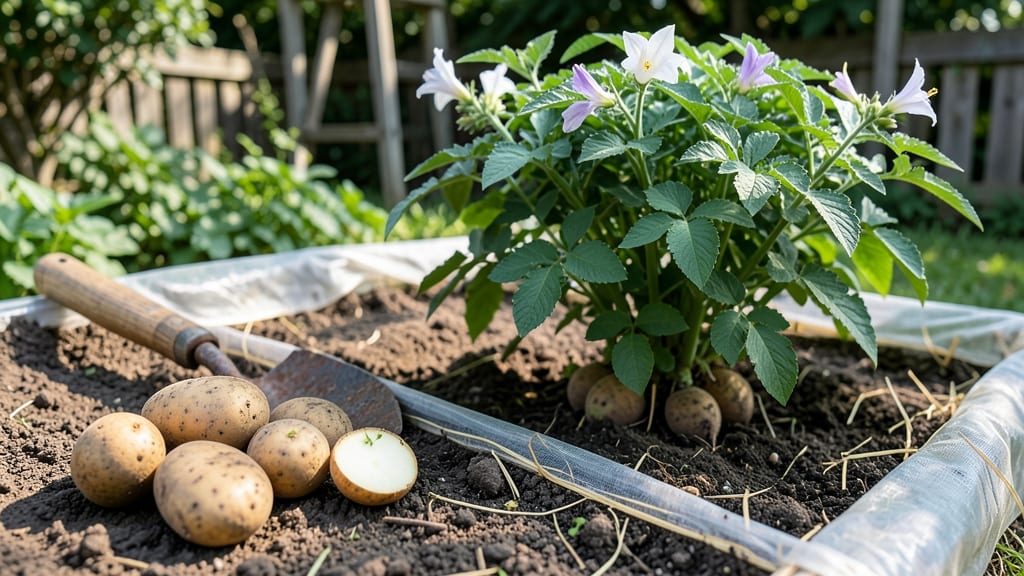
Knowing when to plant potatoes in Zone 7 can mean the difference between a garden full of golden 🥔 treasures and a season of disappointment.
The key lies in timing—too early, and frost will nip your sprouts; too late, and your harvest might never fully mature before summer’s heat sets in.
For Zone 7 gardeners, the sweet spot arrives as soon as the soil warms to 40°F—typically 4-6 weeks before your last frost date. This usually lands in early March or late February, depending on whether you’re using frost protection.
But here’s the catch: not all potatoes thrive in the same schedule, and your local microclimate might demand adjustments.
In this guide, I’ll break down the exact planting windows for early, mid-, and late-season varieties, so you can align your harvest with your table’s needs. Whether you’re a first-time grower or a seasoned pro, these tips will help you avoid common mistakes and maximize your yield.
Ready to dig in? Let’s turn your Zone 7 garden into a potato powerhouse—starting with the perfect planting time.
Zone 7 potato planting timeline: exact weeks before last frost for optimal growth
Potatoes are cool-season crops that need precise timing in Zone 7 to avoid frost damage or stunted growth. The average last frost date here falls between March 15 and April 15, but your exact window depends on microclimates.
Planting too early risks frost-killed sprouts, while late planting delays harvests until summer heat stress sets in.
For early varieties (like 'Yukon Gold'), aim to plant 4-6 weeks before last frost—typically late February to early March. Mid-season varieties (e.g., 'Red Pontiac') thrive with a 2-4 week later window, while late-season types (such as 'Russet Burbank') need early April planting to mature before summer heat.
Soil temperature is critical: potatoes won’t sprout until soil reaches 45°F (7°C). Use a soil thermometer to confirm readiness—waiting a week or two for warmer soil prevents rot and ensures strong starts.
Here’s a quick reference for Zone 7 planting windows based on variety maturity and frost dates:
| Variety Type | Planting Window | Days to Maturity | Harvest Window |
|---|---|---|---|
| Early (e.g., 'Yukon Gold') | Late February–Early March | 60–90 days | Late May–Early June |
| Mid-Season (e.g., 'Red Pontiac') | Early–Mid March | 90–110 days | June–July |
| Late (e.g., 'Russet Burbank') | Early–Mid April | 110–120 days | July–August |
Adjust your planting schedule if your area experiences unpredictable frost.
Use frost cloth for early plantings or wait until soil warms to 50°F (10°C) for late starts. Seed potatoes should be cut into 1.5-inch chunks with at least one eye per piece, then cured in sunlight for 24 hours before planting.
In Zone 7b (warmer microclimates), you can push planting to mid-April for late varieties, but monitor soil moisture—dry spells stress potatoes. Mulch with straw or grass clippings to retain moisture and regulate soil temperature.
For container gardening, use large pots (at least 12 inches deep) and plant 2 weeks earlier than in-ground—containers warm up faster. Place pots in south-facing spots to maximize sunlight exposure, which accelerates growth.
Remember: Harvest timing depends on variety. Early potatoes can be dug when flowers appear (new potatoes), while full-sized tubers need full foliage dieback. Use a fork to loosen soil gently to avoid damaging tubers.
By mastering these Zone 7 planting windows, you’ll ensure maximum yields and avoid common pitfalls like blight or overcrowding. Start with one variety to test your timing, then expand next season!
How to extend your potato harvest in Zone 7: successive planting strategies
Want a steady supply of homegrown potatoes all summer? Successive planting is the secret—spreading out your planting dates ensures fresh tubers from early June through late August.
In Zone 7, where summers can be long and hot, this method prevents your entire crop from maturing at once, which is risky when late-season heat stress or pests strike.
Start by selecting early, mid, and late-maturing varieties—think 'Yukon Gold' (70 days), 'Red Pontiac' (90 days), and 'Russet Burbank' (120 days). Each variety thrives with its own planting window, letting you stagger harvests without crowding your garden.
For example, plant 'Yukon Gold' in early March for a June harvest, then follow with 'Red Pontiac' in mid-April for July, and finish with 'Russet Burbank' in early May for August.
Here’s how to space them perfectly: Plant each batch 3–4 weeks apart, ensuring the last variety finishes before first frost (around November 15 in Zone 7).
Use raised beds or containers if your soil stays cold too long—these warm up faster and give you flexibility to adjust planting times based on weather.
Test soil pH (5.0–6.5) and amend with compost or aged manure. Potatoes hate soggy soil—ensure drainage by mixing in sand or perlite if your clay holds too much moisture.
Batch 1: Early March (4–6 weeks before last frost). Batch 2: Mid-April. Batch 3: Early May. Use chit sprouted seed potatoes to speed up germination.
Plant 12–15 inches apart in rows 30 inches apart. Hill soil around stems every 2 weeks to encourage tuber formation and prevent greening.
Keep soil consistently moist but avoid waterlogging. Early batches need 1 inch/week; later batches may need less as summer heat arrives.
Dig 'Yukon Gold' when flowers bloom (June). Harvest 'Red Pontiac' when tops yellow (July). Save 'Russet Burbank' for late August when skins toughen.
Pro tip: Rotate planting areas each year to prevent disease buildup. If your garden space is limited, prioritize container growing—use 5-gallon buckets for each batch, filling them with well-draining potting mix.
This also makes it easier to control soil conditions and extend your harvest window into early fall.
With successive planting, you’ll enjoy fresh potatoes for months instead of one overwhelming harvest. Plus, you’ll avoid the heartbreak of watching a single crop fail due to timing mistakes. Start small—try two batches this year—and watch your confidence (and harvest!) grow.