
Companion Plants
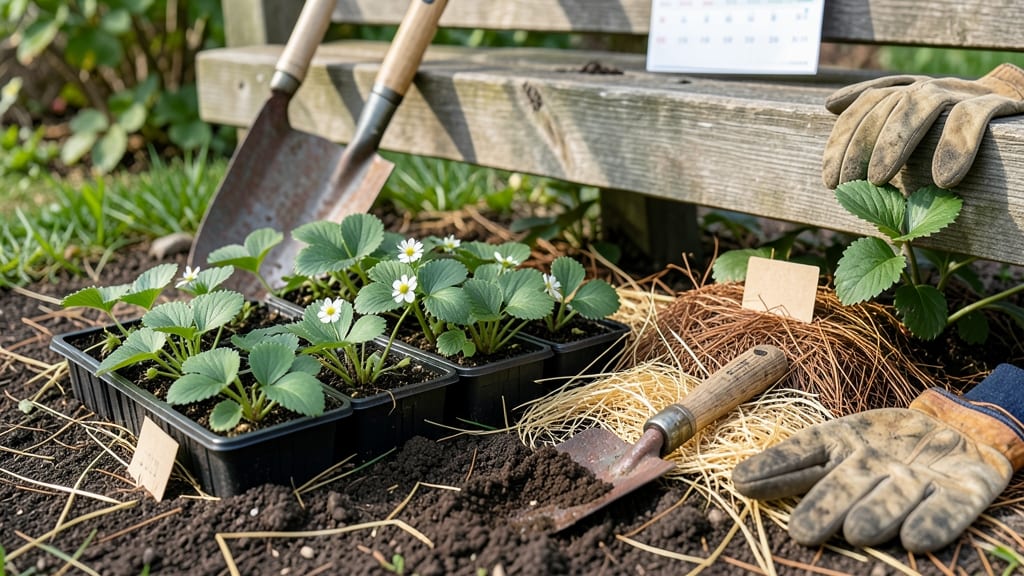
Planting strawberries at the wrong time in Zone 6 can turn your 🍓 dreams into a sad, frost-bitten disappointment. The key to a thriving patch isn't just good soil—it's knowing the exact weeks before your last frost that make all the difference.
In Zone 6 (General), where temperatures fluctuate dramatically, timing matters more than most gardeners realize. Spring-planted berries need to establish roots before the heat arrives, while fall plantings must survive winter's chill. I'll show you how to calculate your local window and avoid common mistakes that waste effort.
Whether you're growing everbearing varieties for months of harvest or June-bearing types for one big crop, getting the timing right is the game-changer. Let's break down the science behind those critical planting dates and how to adapt for your specific sub-zone.
From soil prep to microclimate tricks, you'll discover why 4-6 weeks before last frost isn't just a guideline—it's your ticket to a garden full of sweet, plump berries. Ready to plant with confidence?
Zone 6 strawberry planting timeline: exact weeks before last frost for best results
Strawberries in Zone 6 thrive when planted at the right time—too early and frost zaps their energy, too late and they struggle to establish roots before winter. The ideal window is 4-6 weeks before your last frost date for spring planting or 6-8 weeks before first frost for fall planting.
For most of Zone 6, this means March-April for spring or August-September for fall.
Your last frost date varies by location—check local weather averages. For example, Northern Zone 6a (like Chicago) averages last frost around April 15, while Southern Zone 6b (like Nashville) sees it by March 20.
Planting too early risks frost damage, while waiting too long delays root growth and reduces yields.
Soil temperature is just as critical as air temperature. Strawberries need soil at least 40°F (4°C) for roots to thrive. Use a soil thermometer to confirm—cold soil slows root development, even if air temps are mild.
In Zone 6, this usually aligns with late March to early April for spring planting.
Zone 6 Strawberry Planting Timeline
| Stage | Action | Key Notes |
|---|---|---|
| Spring Planting | 4-6 weeks before last frost | Soil temp ≥40°F (4°C), air temp stable above 32°F (0°C) |
| Fall Planting | 6-8 weeks before first frost | Establish roots before winter; mulch heavily |
| Root Establishment | 6-8 weeks after planting | Critical for spring planting; avoid transplant shock |
| Flowering (June-bearing) | Late spring (May-June) | Remove first flowers for stronger roots |
| Harvest Window | June-July (spring) or Sept-Oct (fall) | Everbearing varieties produce 2-3 harvests |
🌱 Pro Tip: Use black plastic mulch in spring to warm soil faster and extend the season.
For June-bearing varieties, timing is crucial—they need 6-8 weeks of cool weather after planting to establish roots before flowering.
If you plant too late in spring, they’ll focus on flowers instead of roots, leading to weak plants. Everbearing varieties are more flexible but still benefit from early planting to maximize their multiple harvest cycles.
Microclimates matter! If your garden sits in a frost pocket or near a heat-retaining wall, adjust your timeline by 1-2 weeks. For example, a south-facing slope warms faster, while a low-lying area may frost later.
Test your microclimate by planting basil or lettuce as early indicators—if they survive, strawberries likely can too.
Soil preparation is non-negotiable. Strawberries need well-draining, slightly acidic soil (pH 5.5-6.8). Work in 2-3 inches of compost and balanced fertilizer (10-10-10) 2 weeks before planting. Raised beds are ideal—they warm faster in spring and drain better, which is critical in Zone 6’s variable rainfall.
After planting, mulch heavily with straw or shredded leaves to retain moisture and regulate soil temperature. In spring, mulch keeps roots cool; in fall, it insulates against winter temps. Remove old mulch in early spring to prevent fungal diseases like gray mold, which thrives in damp conditions.
Monitor your plants closely after transplanting. Wilting or yellowing leaves signal stress—likely from transplant shock or overwatering. Water deeply once a week after planting (unless it rains) to encourage root growth. Avoid overhead watering, which can spread disease.
Remember: Zone 6’s short growing season demands precision. By following these exact weeks before last frost, you’ll give your strawberries the best shot at robust root systems and abundant fruit.
Whether you choose spring or fall planting, timing is the secret to turning your Zone 6 garden into a strawberry paradise.
Zone 6 strawberry planting timeline: exact weeks before last frost for best results
Strawberries in Zone 6 thrive when planted at precise times relative to your last frost date. For spring planting, aim to set out your plants 4-6 weeks before the average last frost—typically mid-March to early April in most of Zone 6.
This window ensures roots establish before summer heat arrives, giving you a June-July harvest.
Fall planting offers a second chance for a September-October harvest. Plant 6-8 weeks before the first frost, usually late August to early September. Fall-planted berries need extra mulch protection to survive winter.
Check your local USDA Zone 6a/6b frost dates—northern areas (like Chicago) may need earlier adjustments than southern regions (like Atlanta).
| Planting Window | Soil Temp Threshold | Root Establishment | Harvest Window |
|---|---|---|---|
| Spring: 4-6 weeks before last frost | 45-50°F (roots activate) | 6-8 weeks (before flowering) | June-July |
| Fall: 6-8 weeks before first frost | 55-60°F (active growth) | 4-6 weeks (before dormancy) | September-October |
Soil temperature is critical—strawberry roots need 45-50°F for spring planting and 55-60°F for fall. Use a soil thermometer to verify.
If your soil is too cold, delay planting until conditions improve. June-bearing varieties planted in spring produce one massive crop, while everbearing varieties yield two smaller harvests (spring and fall) if timed correctly.
Calculate your exact planting dates by checking your local last frost date (use the National Weather Service or Almanac tools). For example, in Zone 6a (colder), plant late March to early April for spring; in Zone 6b (warmer), extend to mid-April.
Fall planting in Zone 6a should wrap up by late August, while Zone 6b can go until early September.
Pro tip: Container-grown strawberries adapt better to timing shifts. If your spring window passes, opt for fall planting or everbearing varieties like Albion or Seascape, which tolerate wider temperature ranges. Always acclimate plants for 1-2 weeks before transplanting to reduce shock.
For peak yields, pair your planting timeline with proper soil prep: amend beds with compost, ensure pH 5.8-6.5, and mulch with straw to retain moisture. Avoid planting in wet, heavy clay—strawberries hate soggy roots. 🍓