
Companion Plants
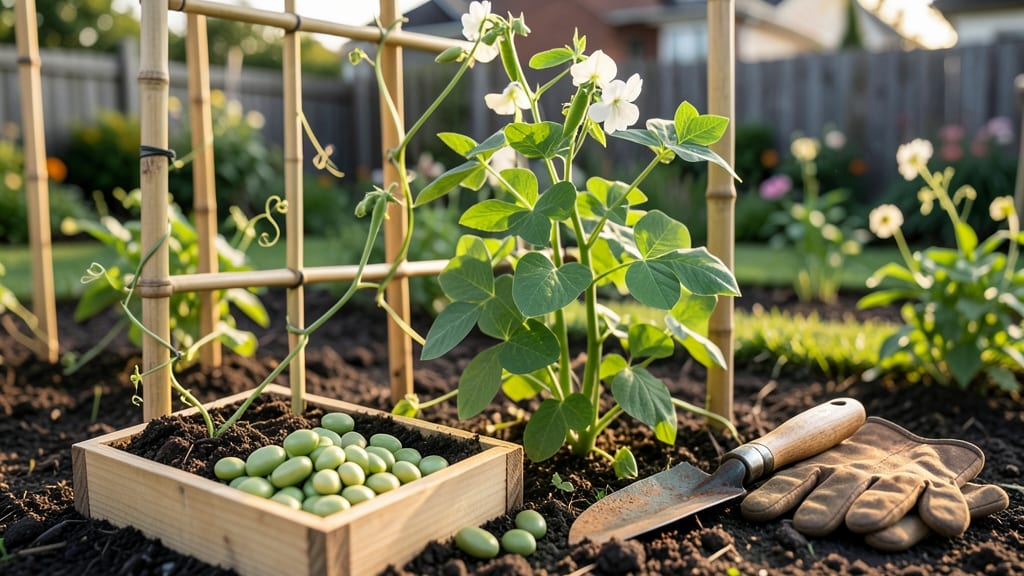
Timing your pea planting in Zone 6 can mean the difference between a bumper crop and a wasted effort—get it right, and you’ll enjoy sweet, fresh peas straight from your garden.
The key is understanding exactly when those cool-weather-loving 🌱 peas can handle the chill without risking frost damage, while still giving them enough time to mature before summer heat sets in.
Most gardeners in Zone 6 know the early spring window (March to April) is prime time, but did you know fall planting can also work? With the right cold-hardy varieties and a few protective tricks, you can extend your harvest into October or even November.
Let’s break down the best planting times, frost-resistant varieties, and how to maximize your pea yield—no matter which season you choose.
If you’ve ever planted peas only to watch them wither under late frosts or struggle in warming soil, this guide will change that.
I’ll walk you through the exact dates to plant, which varieties thrive in Zone 6’s unpredictable weather, and how to protect your crop if Mother Nature throws a curveball. Ready to grow peas like a pro?
From soil temperature tips to frost protection hacks, you’ll learn everything you need to turn your garden into a pea-producing powerhouse. Let’s get started—your first harvest could be just 60 days away!
Best planting windows for peas in Zone 6 (with exact dates)
Peas are one of the first cool-season vegetables you can plant in Zone 6, but timing is critical. The sweet spot for spring planting is 4-6 weeks before your last frost date, typically between mid-March and early April.
In most of Zone 6, this means planting by March 20th for an early harvest.
For a fall harvest, aim to plant late summer (August) so peas mature before the first frost in mid-October. This second planting extends your harvest window and maximizes garden productivity.
Soil temperature is the real deciding factor. Peas germinate best when soil reaches 40-50°F. In Zone 6, this usually happens by early March, but always check your local frost dates—some areas may need to wait until late March.
🌱 Pea Planting Timeline for Zone 6
| Stage | Action | Key Notes |
|---|---|---|
| Early Spring | Plant seeds 4-6 weeks before last frost | Soil temp: 40-50°F |
| Mid-April | Harvest begins | Pods ready in 60-70 days |
| Late Summer | Succession plant for fall harvest | Avoid planting after August 15 |
| October | Final harvest before frost | Protect with row covers if needed |
If you're unsure about your last frost date, use the 50% probability date from your local weather service. For example, in Chicago (Zone 6a), the last frost is typically April 15th, so plant by March 15th.
For northern Zone 6 (e.g., Buffalo, NY), wait until late March due to colder soils. In southern Zone 6 (e.g., Richmond, VA), you can plant as early as February if soil is workable.
Use cold-hardy varieties like 'Green Arrow' or 'Lincoln' for early planting—they tolerate 32°F soil temps better than most peas. These varieties also germinate faster in cool conditions, giving you a head start.
Always test your soil temperature with a soil thermometer before planting. If temps drop below 40°F, delay planting or use row covers to protect young seedlings. A 3-4 inch layer of straw mulch also helps insulate roots.
Remember, peas are short-season crops. Planting too late in spring means your harvest will coincide with hot summer temps, which cause peas to bolt (flower prematurely). A late August planting avoids this issue for fall harvests.
Best planting windows for peas in Zone 6 (with exact dates)
Peas are one of the first cool-season vegetables you can plant in Zone 6, but timing is critical. The ideal window spans from late winter to early spring, typically 4-6 weeks before your last frost date.
In most Zone 6 regions, this means planting between mid-March and mid-April. For example, if your last frost is April 15, aim to sow seeds by March 15.
Peas thrive in cool soil temperatures between 40°F and 85°F, but germination slows below 40°F. Starting seeds indoors in February (4-6 weeks before transplanting) gives them a head start. Harden off seedlings for 7-10 days before moving them outdoors after the soil warms to at least 45°F.
| Stage | Action | Timeframe |
|---|---|---|
| Indoor Start | Sow seeds in trays | Late February |
| Harden Off | Acclimate seedlings outdoors | Early March |
| Direct Sow | Plant seeds outdoors | Mid-March to Mid-April |
| Succession Plant | Sow every 2 weeks | April to May |
| Fall Planting | Late August to Early September | For fall harvest |
For a continuous harvest, use succession planting—sow seeds every 2 weeks until early May. This ensures fresh peas for 6-8 weeks straight.
In Zone 6, you can also plant a fall crop in late summer (late August to early September) for a harvest before the first frost in mid-October.
Check your local microclimate—valleys and low-lying areas may experience frost later than hilltops. Use a frost calendar or plant a frost-sensitive test crop (like lettuce) nearby to gauge safety. If frost is forecasted after planting, cover seedlings with row fabric or a lightweight blanket.
Peas are fast-growing, with most varieties reaching maturity in 50-70 days. Early varieties like 'Early Perfection' mature in 50 days, while later types like 'Lincoln' take 70 days.
Plan your planting schedule to align with your harvest goals—early varieties for quick rewards, later ones for extended production.
Remember, soil preparation is key. Peas prefer well-draining, slightly acidic soil (pH 6.0-7.0). Mix in compost or aged manure before planting to boost fertility. Avoid fresh manure, which can burn tender pea roots.
🌱