
Plants
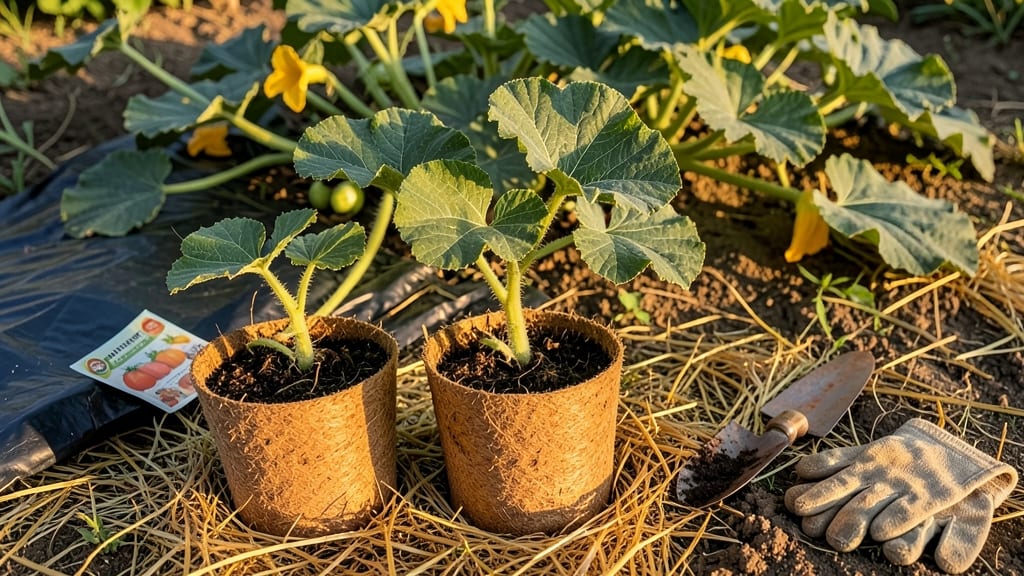
If you're dreaming of carving Halloween jack-o'-lanterns or baking pies with homegrown pumpkins 🎃, timing your planting in Michigan is the key to success. Planting too early risks frost damage, while waiting too late could leave your vines struggling to mature before winter.
For USDA Zones 5B/6A, where Michigan falls, the window is tight but manageable with the right approach.
Most Michigan gardeners know the last frost date is critical, but soil temperature matters just as much. Pumpkin seeds need warm soil—at least 70°F—to germinate properly, which typically aligns with mid-April to early June.
That’s why 90-day varieties are the best bet for a fall harvest, giving them enough time to thrive before the first frost hits in October.
You’ve got two main options: direct sowing seeds or transplanting seedlings. Direct sowing is common for pumpkins, but if you’re short on time, seedlings can give you a head start.
Either way, spacing is everything—4 to 6 feet apart in hills—to ensure your vines have room to spread and your pumpkins grow big and healthy.
Ready to grow pumpkins that’ll impress? I’ll walk you through the exact planting timeline, soil prep, and even how to adjust for early or late harvests. Let’s get those vines growing strong so you can enjoy the fruits of your labor this fall!
Ideal pumpkin planting dates in Michigan’s USDA Zones 5B/6A
Michigan’s USDA Zones 5B/6A offer a 150-180 frost-free days, which is perfect for growing 90-day pumpkin varieties like 'Jack Be Little' or 'Howden'. The key is planting after your last frost date—typically mid-April to early May—but only when soil temperatures hit 70°F or warmer.
For most of Michigan, this means waiting until late May in colder regions like the Upper Peninsula or early May in warmer areas like Detroit.
Pumpkins thrive with warm soil, so rushing too early can stunt growth. If you plant in cold soil, seeds may rot or take weeks to sprout. Use a soil thermometer to confirm readiness—70°F is the magic number for consistent germination.
In Zone 5B areas like Traverse City, aim for May 15-30, while Zone 6A regions like Ann Arbor can start as early as May 1-15.
For a Halloween harvest, stick to direct sowing seeds rather than seedlings. Transplants struggle to adapt, and their roots can’t handle the shock of Michigan’s unpredictable spring weather.
Plant 3-4 seeds per hill, spacing hills 4-6 feet apart to give vines room to sprawl—pumpkin vines can stretch 10-20 feet! Thin to the strongest seedling once they’re 3 inches tall.
If you’re growing miniature varieties like 'Munchkin' or 'Baby Boo', you can plant slightly earlier—these mature in 75-85 days and tolerate cooler soils better. However, even these need consistent warmth to avoid blossom-end rot or stunted growth.
For giant pumpkins (like 'Atlantic Giant'), wait until June 1 or later, as they need 120+ days to mature.
🎃 Pro Tip: Use black plastic mulch to warm soil faster and suppress weeds. Lay it down 1-2 weeks before planting—this can shave 7-10 days off your growing season by raising soil temps by 5-10°F.
📅 Michigan Pumpkin Planting Timeline
| Stage | Action | Notes |
|---|---|---|
| Soil Prep | Test pH (aim for 6.0-6.8) | Add compost; avoid fresh manure |
| Planting Window | Direct sow seeds | Zone 5B: May 15-30; Zone 6A: May 1-15 |
| Germination | Sprouts in 7-14 days | Keep soil moist; avoid flooding |
| Thinning | Remove weak seedlings | Leave 1-2 strongest per hill |
| Fertilizing | Apply 10-10-10 | Side-dress when vines are 1 ft tall |
| Harvest | Pick before first frost | Rind should be hard; stem woody |
💡 Adjust dates 1-2 weeks later for northern Michigan or earlier for southern Michigan.
For gardeners in northern Michigan (e.g., Marquette or Sault Ste. Marie), push planting to late May or early June to avoid late spring frosts. These areas have shorter growing seasons, so focus on compact varieties like 'Autumn Gold' (80 days) or 'Cinderella' (85 days).
In southern Michigan (e.g., Toledo or Kalamazoo), you can even try a second planting in late July for a fall harvest, though yields may be smaller.
If you’re aiming for a Thanksgiving pumpkin, start seeds indoors under grow lights by mid-April and transplant after Memorial Day. This gives you a 120-day window to maturity. However, indoor starts require careful hardening off—acclimate seedlings to outdoor conditions over 7-10 days before transplanting to avoid shock
Ideal pumpkin planting dates in Michigan’s USDA Zones 5B/6A
Michigan’s USDA Zones 5B/6A offer a short growing season, so timing your pumpkin planting is critical. For 90-day varieties, you’ll want to start seeds or transplant after the last frost date, typically between mid-May and early June.
This ensures your pumpkins mature before the first frost hits in mid-October.
In colder regions like the Upper Peninsula, aim for late May to early June planting, while southern Michigan gardeners can start slightly earlier—around mid-May. Always check your local frost dates and soil temperature, which should reach at least 70°F for optimal germination.
| Stage | Action | Notes |
|---|---|---|
| Early May | Start seeds indoors | Use biodegradable pots for transplanting |
| Mid-May | Transplant seedlings outdoors (southern MI) | Wait until soil is 70°F+ |
| Late May | Direct sow seeds (all regions) | Plant 1 inch deep in hills, 4-6 ft apart |
| Early June | Transplant seedlings (northern MI) | Use row covers for early frost protection |
| Late July | Succession plant for late harvest | Best for smaller varieties like Jack Be Little |
For a Halloween harvest, prioritize 90-day varieties like Howden or Cinderella. If you’re aiming for Thanksgiving, consider 100-day varieties such as New England Pie Pumpkin and plant by mid-June. Always space vines 4-6 feet apart to prevent disease and ensure proper growth.
If you’re in a warmer microclimate, like near Lake Michigan, you can push planting dates slightly earlier. However, avoid planting before May 15 unless you’re using a row cover to protect young seedlings from unexpected frost.
Pro tip: Use a soil thermometer to confirm soil temperatures are above 70°F before planting. Cold soil can delay germination by weeks, shortening your growing season.
For gardeners in Zone 5B, like those in Traverse City, focus on late May planting to maximize your 150 frost-free days. In Zone 6A, such as Detroit, you can start as early as mid-May for a longer harvest window.