
Plants
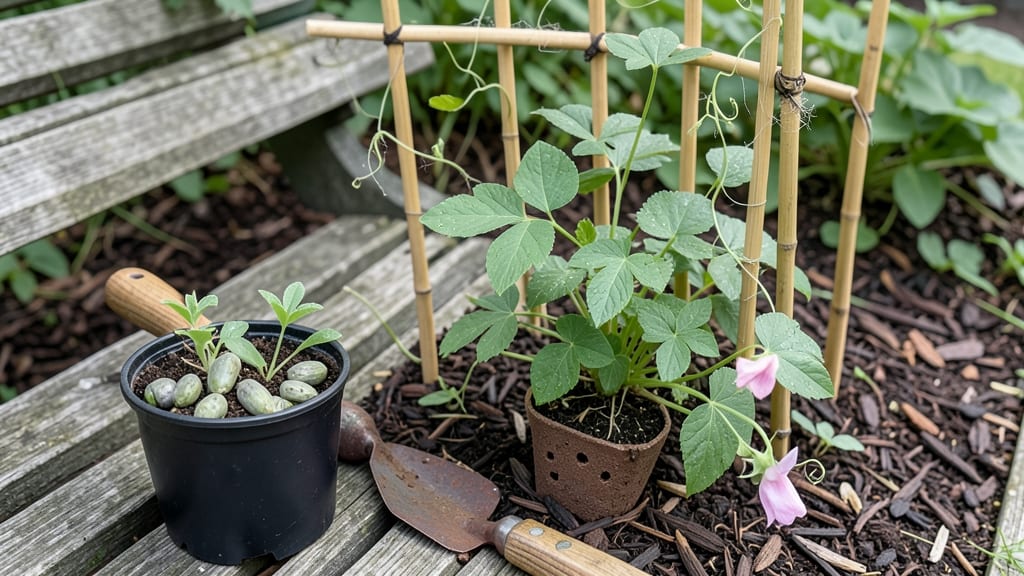
If you're dreaming of a garden bursting with sweet, fresh English Peas 🌱, timing your planting in Zone 7 is the secret weapon you can't afford to miss. Planting too early risks frost damage, while waiting too long might leave you with stunted growth or even no harvest at all.
For the best results, aim to plant your English Peas 2–4 weeks before your last expected frost date—typically in February or early March for that perfect early spring harvest.
But here's the catch: soil temperature matters just as much as calendar dates, and microclimates in your garden can shift your ideal window.
Don't worry if you missed the spring window—you can still plant again in late summer (around August) for a fall harvest. The key is understanding how frost, soil warmth, and even your garden's little microclimates play into the perfect timing.
I'll walk you through the exact weeks to plant, how to adjust for your specific garden conditions, and common mistakes that could ruin your harvest. Let's get those peas growing like a pro!
Optimal planting windows for English peas in Zone 7: exact weeks before last frost
English peas thrive in Zone 7 when planted during two key windows: early spring and late summer.
The last average frost date in most of Zone 7 falls around March 15, but this can vary by 5-10 days depending on your specific location (e.g., Piedmont regions may frost later than coastal areas).
Aim to plant 4-6 weeks before your last frost date for spring harvests, and again in late summer to avoid summer heat stress.
Pea seeds germinate best in soil temperatures between 40°F and 85°F, but they’ll rot if planted in cold, wet soil.
In Zone 7, this means waiting until mid-February to early March for spring plantings—even if the ground feels frozen, seeds can still germinate if soil temps are stable above 40°F. For fall plantings, shoot for late August to early September to harvest before the first frost in mid-November.
Here’s the golden rule: Plant English peas when daytime highs are consistently above 50°F but nighttime lows stay above 40°F. This balance prevents seed rot while ensuring strong germination.
In my garden, I’ve found that soaking seeds overnight in cool water speeds up germination by 24-48 hours, which is a lifesaver for cooler springs.
| Planting Window | Weeks Before Last Frost | Ideal Soil Temp (°F) | Harvest Window |
|---|---|---|---|
| Early Spring | 4–6 weeks | 40–60°F | May–June |
| Late Summer | 8–10 weeks before first frost | 50–70°F | October–November |
*Adjust dates based on your local frost-free date calculator (e.g., Almanac’s Frost Calculator).
For succession planting, sow new seeds every 2 weeks after your initial planting until 2 weeks before the last frost date. This ensures a continuous harvest and reduces the risk of bolting (premature flowering) from heat stress.
In my experience, sugar snap peas and snow peas handle Zone 7’s heat slightly better than traditional shelling peas, so consider mixing varieties for extended harvests.
One common mistake is assuming all of Zone 7 has the same frost dates. Coastal areas (like Norfolk, VA) may frost 1-2 weeks later than inland cities (like Raleigh, NC). Check your local USDA frost map or use a frost-free date calculator to fine-tune your schedule.
For example, if your last frost is April 1, plant by February 15 for a spring crop.
Pro tip: Use row covers or cold frames to extend your spring planting window by 2-3 weeks. I’ve successfully grown peas in January in Zone 7 using a simple hoop house with clear plastic, which adds 10°F of warmth to the soil.
Just remove the cover once soil temps hit 50°F to prevent overheating.
Fall plantings require extra attention to avoid summer heat stress. Start seeds indoors in late July and transplant outdoors in early August, or direct-sow in mid-August when daytime highs drop below 85°F.
This timing ensures peas mature before first frost while escaping the dog days of summer when temps exceed 90°F.
If you’re unsure about your local frost dates, plant a test row 2 weeks before your target date. If the peas survive and thrive, you’ve found your sweet spot for early plantings.
For fall, aim to harvest by October 15 to avoid the first frost’s chill, which can turn sweet peas mealy and tough.
Remember, English peas are cool-season crops, so they’ll bolt (flower prematurely) if exposed to consistent temps above 80°F. In Zone 7, this means avoid planting after July 15 unless you’re using shade cloth or selecting heat-tolerant varieties like ‘Oregon Sugar Pod’ or ‘Tom Thumb’.
How to adjust planting dates for Zone 7’s microclimates and soil conditions
Zone 7’s climate isn’t one-size-fits-all—microclimates can shift your ideal planting window by 2–4 weeks. For example, coastal areas (like Virginia Beach) may see earlier last frosts (mid-March) than Piedmont regions (late March). Always check your local frost dates using the Old Farmer’s Almanac.
If your garden sits in a low-lying area, cold air pools there, increasing frost risk. Plant 2–3 weeks later than your zone’s average or use row covers for extra protection. Conversely, elevated spots (like slopes or raised beds) warm faster—you can plant 1–2 weeks earlier without risk.
Soil temperature matters just as much as air temperature. English peas need soil at least 40°F (4°C) to germinate. Use a soil thermometer to confirm—if it’s cooler, try seed-soaking (soak seeds in warm water for 8–12 hours) to jumpstart growth.
Pro tip: Plant in warmer microclimates (like near a south-facing fence) to speed up germination.
⚠️ Late Frost Warning
Zone 7’s unpredictable late frosts (especially in April) can devastate young pea shoots. If frost is forecasted within 2 weeks of planting, delay until soil warms or use frost cloth. Never plant peas if nighttime temps dip below 28°F (-2°C)—they’re frost-sensitive until established.
For fall planting, aim for 8–10 weeks before your first frost (typically late August in Zone 7). This gives peas time to mature before cold sets in. Avoid planting after September 1st—summer heat stress slows growth, and pods may not ripen before frost.
Instead, opt for succession planting: Sow a second batch 3–4 weeks after the first to extend your harvest.
Well-draining soil is non-negotiable for English peas. If your garden has clay or compacted soil, amend with compost or sand before planting. Waterlogged roots lead to rot and poor germination.
Test your soil’s pH—peas thrive in 6.0–7.5. If it’s too acidic, add lime 2–3 weeks before planting to adjust the pH.
Finally, companion planting can shield peas from microclimate challenges. Pair them with radishes (they deter pests) or lettuce (shares space without competing). For frost-prone areas, plant near corn or beans—their height acts as a windbreak.
Always rotate crops yearly to prevent soil-borne diseases like fusarium wilt, common in Zone 7’s humid summers.