
How To
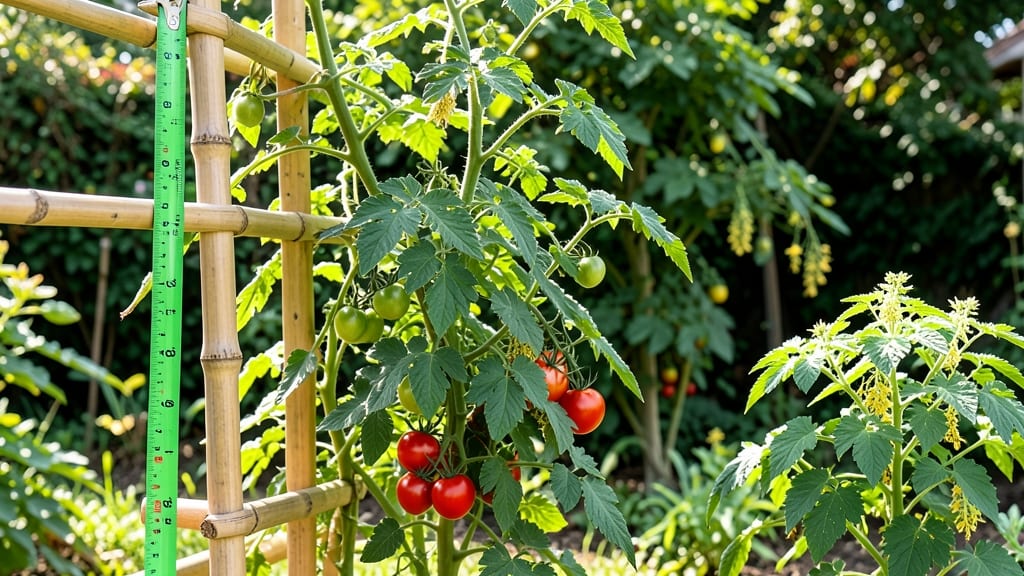
If you’ve ever wondered how tall will a tomato plant grow in your garden, the answer isn’t one-size-fits-all—it depends on the variety, care, and support you provide. Some 🍅 varieties stay compact enough for containers, while others can climb like vines, reaching heights that surprise even seasoned gardeners.
Determinate tomatoes, like the classic beefsteak, typically max out around 3-5 feet, making them perfect for small spaces or cages. Indeterminate types, though, can stretch 6-10 feet or more if left unchecked—imagine a tomato plant taller than you!
The key to managing their height lies in pruning, trellising, and choosing the right stakes or cages.
Whether you’re planning a backyard garden in Zone 6a or container gardening on a balcony, understanding these growth patterns helps you space plants correctly and avoid overcrowding.
I’ll break down the differences between varieties, share expert tips for controlling height, and show you how to support your plants for a bountiful harvest—no matter how tall they grow.
Ready to turn your tomato dreams into reality? Let’s dive into the heights, supports, and secrets to growing the perfect 🍅 plants for your space.


Tomato plant height by variety: determinate vs indeterminate growth patterns
When planning your tomato garden, the first question I ask myself is: how tall will my plants grow? The answer depends entirely on the variety you choose, with two main growth patterns shaping everything from spacing to support needs.
Understanding these patterns helps you avoid overcrowding, prevent breakage, and maximize your harvest.
Determinate tomato varieties are the bush-type plants that stop growing once they hit maturity—typically between 3 to 5 feet tall. These are the workhorses of backyard gardens, producing fruit all at once, which is perfect for canning or sauces.
Indeterminate varieties, on the other hand, keep growing until frost kills them, often reaching 6 to 10 feet tall with continuous fruit production throughout the season.
Why does this matter? Determinate plants need less vertical space but require more horizontal room, while indeterminate varieties demand sturdy support systems. Knowing which type you're growing helps you plan your garden layout, choose the right containers, and even decide whether to grow vertically or horizontally.
If you're growing in containers or small spaces, dwarf varieties like 'Tiny Tim' (1–3 ft) or 'Patio Princess' (2–3 ft) are game-changers. These stay compact but still produce plenty of fruit for balcony gardens.
For larger gardens, indeterminate varieties like 'Sungold' or 'Brandywine' thrive when given room to climb, often producing fruit until the first frost.
One mistake I see often is assuming all tomato plants need the same space. A 6-foot indeterminate plant in a 2-foot diameter pot will struggle, while a 3-foot determinate plant in the same pot will flourish.
Always check the variety's mature height and spacing requirements on the seed packet or plant tag before planting.
For vertical gardening enthusiasts, indeterminate varieties are ideal—they can be trained up trellises, cages, or even overhead wires to save space. I’ve seen 10-foot-tall plants trained along a fence, producing hundreds of pounds of tomatoes in a single season.
The key? Start with strong support from day one and prune regularly to encourage upward growth.
Another pro tip: If you're growing in ground beds, space determinate plants 18–24 inches apart and indeterminate varieties 24–36 inches apart. This prevents overcrowding, improves airflow (reducing disease risk), and makes harvesting easier.
I once had a determinate plant in a crowded bed that produced fewer tomatoes because the leaves couldn’t get enough sunlight.
For container growers, choose dwarf or determinate varieties and use 5-gallon pots or larger to accommodate their root systems. Indeterminate plants in containers need even bigger pots (at least 7–10 gallons) and regular pruning to control their height.
I’ve had success with 'Better Boy' in 10-gallon grow bags, training them up a tall trellis to save space.
Finally, remember that pruning and training can influence height. Even determinate plants can grow taller if not pruned, while indeterminate plants can be kept shorter with regular pruning. The goal is to balance height control with fruit production—neither should come at the expense of the other.
How to control tomato plant height: pruning, trellising, and support tips
Managing your tomato plant’s height isn’t just about aesthetics—it’s about maximizing yield, preventing disease, and saving space in your garden. Whether you’re growing indeterminate vines that climb like jungle gyms or determinate bushes that stay compact, the right techniques will keep your plants healthy and productive.
Let’s break down the best ways to control height without sacrificing fruit production.
First, pruning is your secret weapon. For indeterminate varieties, pinch off suckers (the small shoots that grow between the main stem and branches) to encourage upward growth and better air circulation.
For determinate types, prune only to remove diseased leaves—over-pruning can reduce fruit set. Always use sterilized pruners to avoid spreading pathogens.
✂️ Pruning & Support Guide
- Indeterminate Varieties: Prune suckers weekly to control height and improve airflow.
- Determinate Varieties: Minimal pruning—remove only yellow/diseased leaves.
- Trellising: Use 5-6 ft stakes or A-frame trellises for vining types.
- Cages: Opt for 6-8 ft tall cages for semi-dwarf varieties like 'Roma'.
- Containers: Choose deep pots (18"+) with built-in supports.
Pro Tip: Prune in morning to allow wounds to heal before evening moisture sets in.
Next, support systems are non-negotiable for tall varieties. Indeterminate tomatoes can reach 10+ feet without support, but their heavy fruit loads can snap stems. Install stakes or trellises at planting time—waiting until later risks damaging roots.
For containers or small spaces, use tomato cages (6-8 feet tall) or vertical growing systems like wall-mounted trellises.
Don’t overlook the power of organic training. Weave vines gently through supports to avoid bruising stems. If you’re growing in containers, choose varieties like 'Patio Princess' (3 feet tall) and pair them with small cages or stakes.
For ground-grown plants, mulch heavily to retain moisture and reduce stress on the plant’s structure.
Finally, watch for height-related red flags. If your plant grows too slowly, check for underwatering or poor soil. If it shoots up too fast with few leaves, it’s likely over-fertilized with nitrogen.
Adjust your care immediately—balance is key! With the right support and pruning, you’ll keep your tomatoes productive and manageable all season long.
Remember: height control isn’t about stunting growth—it’s about guiding it for the best harvest possible. Experiment with different supports and pruning styles to find what works best for your garden setup. Happy growing!