
How To
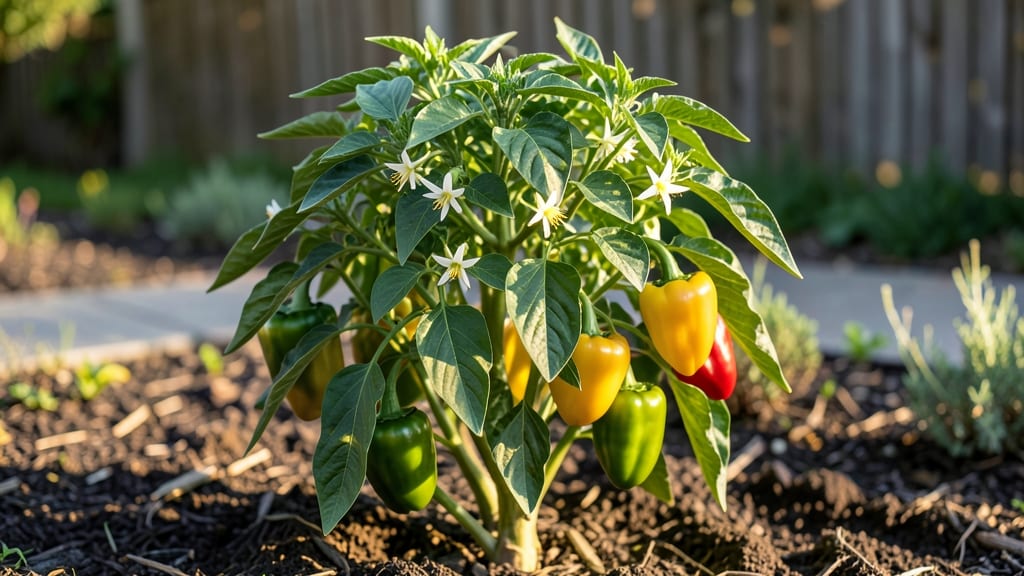
If you're planning your garden layout, knowing how tall does bell pepper plant grow could make all the difference between a cramped, crowded space and a thriving, organized plot.
These 🌶️ plants might seem modest at first glance, but their height can vary dramatically depending on the variety—some stay compact enough for windowsill containers, while others reach nearly waist-high and need room to sprawl.
For most home gardeners in Zone 6a, standard bell pepper varieties typically grow between 2 to 4 feet tall, making them perfect for raised beds or in-ground planting with enough spacing.
But here's the twist: dwarf varieties like 'Snackable' or 'Patio Baby' stay under 2 feet, while heirloom types can stretch toward 4 feet or more if left unchecked.
The good news? You don’t have to guess which size will work best for your space. I’ll break down the height differences between common varieties, share smart pruning tips to control growth, and even suggest the best container sizes for compact types.
Whether you're working with 36-inch trellises or tiny pots, you’ll learn how to maximize your harvest without sacrificing space.
Ready to avoid the "too tall, too late" mistake? Let’s dive into the specifics so you can pick the perfect pepper plants for your garden—no surprises included.


Bell pepper plant height guide: standard sizes for common varieties
If you're planning your garden layout, knowing how tall bell pepper plants grow is essential. Most standard varieties reach 2 to 4 feet tall, but some can stretch even taller with proper care.
Understanding these height ranges helps you decide whether to grow them in containers, raised beds, or directly in the ground.
Bell peppers typically grow as bushy plants with a compact shape, but their height varies significantly between varieties. For example, California Wonder is a classic 3- to 4-foot variety, while Jalapeño plants often stay around 2 to 3 feet.
Even within the same type, growth habits can differ based on sunlight, soil quality, and pruning practices.
Here’s a quick comparison of bell pepper plant heights for popular varieties to help you visualize their mature size:
| Variety | Height Range | Growth Habit | Best For |
|---|---|---|---|
| California Wonder | 3–4 ft | Bushy, upright | In-ground, containers (5+ gallons) |
| Jalapeño | 2–3 ft | Compact, spreading | Small gardens, containers (3+ gallons) |
| Banana Pepper | 1.5–2.5 ft | Dwarf, bushy | Containers, windowsills |
| Poblano | 2.5–3.5 ft | Tall, upright | In-ground, trellises |
| Sweet Banana | 3–4 ft | Vining, sprawling | Trellises, large containers |
When choosing a variety, consider your garden space and growing conditions. For example, Sweet Banana peppers can grow taller and may need support, while Banana Peppers stay shorter and are perfect for small spaces.
If you’re growing in containers, opt for dwarf varieties like Snackable or Pico de Gallo, which rarely exceed 18 inches in height.
Another factor affecting height is pruning practices. Regularly pinching back the tips of young plants encourages bushier growth and can reduce height by up to 12 inches. This technique is especially useful if you’re growing in tight spaces or want to improve airflow to prevent disease.
For in-ground planting, leave at least 18–24 inches of space between plants to accommodate their mature height and spreading habits. If you’re using raised beds, you can plant them closer together since the confined space naturally limits their spread.
One common misconception is that all bell peppers grow the same height. In reality, some heirloom varieties or less common types can reach 4 to 5 feet if left unchecked. Always check the seed packet or plant tag for specific height guidelines to avoid overcrowding.
If you’re growing bell peppers in containers, choose pots that are at least 5 gallons in size for standard varieties. Smaller pots may stunt growth or limit yield, especially if the plant outgrows its container.
Always use well-draining soil and ensure the pot has drainage holes to prevent root rot.
Finally, remember that sunlight exposure plays a role in height. Plants grown in full sun (6–8 hours daily) tend to grow taller and produce more fruit, while those in partial shade may stay shorter but could be more prone to disease.
Adjust your planting location based on your climate and the specific variety’s needs.
Bell pepper plant height guide: standard sizes for common varieties
If you're planning your garden layout, knowing how tall bell pepper plants grow is essential. Most standard varieties reach heights between 2 to 4 feet, but some can surprise you with their sprawling habits.
The California Wonder, a classic bell pepper, typically grows to 3-4 feet tall with a bushy spread, while jalapeños often climb higher, reaching 4 feet or more if left unchecked.
Understanding these height differences helps you decide between in-ground planting or container gardening. Tall varieties like Banana Peppers (3-4 feet) need more vertical space, while shorter types like Sweet Banana Peppers (2-3 feet) work well in smaller gardens.
Always check seed packets for specific variety details—some even advertise "compact" or "bush" types for space-saving gardens.
| Variety | Height Range | Growth Type | Best For |
|---|---|---|---|
| California Wonder | 3-4 ft | Bushy | In-ground, containers (5+ gal) |
| Jalapeño | 3-5 ft | Vining | Trellises, large gardens |
| Banana Pepper | 2-3 ft | Compact Bush | Containers, small gardens |
| Poblano | 2-3 ft | Semi-Bushy | In-ground, raised beds |
For container gardening, choose dwarf varieties like Patio Baby or Snackable Peppers, which max out at 2 feet tall. These thrive in 5-gallon pots with proper sunlight.
If growing in-ground, leave 18-24 inches between plants to prevent overcrowding—taller varieties need even more space for airflow and sunlight penetration.
Sunlight plays a huge role in height regulation. Bell peppers grown in full sun (6+ hours daily) tend to grow taller and produce more fruit, while those in partial shade may stay shorter but yield less.
If your garden has limited sun, opt for dwarf varieties or use reflective surfaces to maximize light exposure.
Pruning can also control height naturally. Pinch off side shoots early in the season to encourage a bushier, shorter plant. For taller varieties, focus on vertical growth by removing lower leaves to improve airflow and reduce disease risk. Always use clean, sharp pruners to avoid damaging the plant.
Remember, soil quality affects height too. Well-draining, nutrient-rich soil helps peppers grow stronger and healthier, while poor soil can stunt growth. Amend your soil with compost before planting to give your peppers the best start.
With the right variety and care, you can grow bell peppers that fit perfectly in your space—whether you have a sprawling backyard or a tiny balcony!