
How To
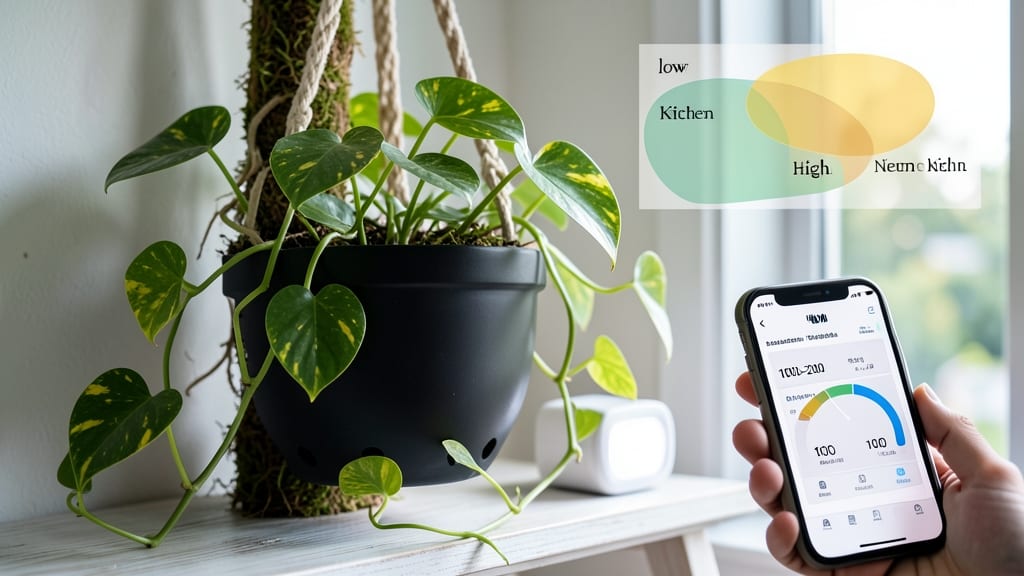
If your Chinese Money Plant 🌿 is looking sad—leggy stems, pale leaves, or slow growth—it’s probably begging for how much light does this plant need.
The ideal brightness for this stunning houseplant isn’t as tricky as you might think, but getting it wrong can turn your lush green friend into a struggling survivor.
This adaptable plant thrives in bright indirect light, but it’s also one of the few houseplants that can handle lower light conditions better than many others. The key is finding that sweet spot where it gets enough light to grow strong without getting sunburned or stretched out.
In this guide, I’ll break down exactly how much light your Chinese Money Plant needs—whether you’re dealing with a dim corner or a sunlit room. You’ll learn how to spot signs of too little or too much light and how to adjust your plant’s placement for the best results.
Ready to give your plant the perfect lighting conditions? Let’s make sure it stays happy, healthy, and full of that signature charm.


Chinese money plant light requirements: the perfect balance for healthy growth
The Chinese Money Plant (Pilea peperomioides) thrives in bright indirect light, making it perfect for homes with limited direct sunlight. Unlike sun-loving plants, it tolerates lower light levels but struggles in deep shade. The key is finding that sweet spot where leaves stay vibrant and growth remains compact.
In nature, this plant grows under forest canopies, where dappled sunlight filters through leaves. Replicating this environment indoors ensures your plant stays healthy without risking leaf burn from harsh rays. Think of it as a medium-light lover—not too dim, not too bright.
Here’s the ideal light spectrum for your Chinese Money Plant:
| Light Condition | Description | Growth Effect |
|---|---|---|
| Bright Indirect Light | East/west-facing windows, 2-3 feet from glass | Optimal growth, glossy leaves |
| Medium Direct Light | South window with sheer curtain | Tolerated briefly; may need rotation |
| Low Light | North-facing window or room corner | Leggy growth, pale leaves |
| Direct Sunlight | South window without filter | Leaf scorch, crispy edges |
For indoor growers, position your plant near an east-facing window where it gets gentle morning sun. If your home has only south-facing windows, use a sheer curtain to diffuse the light and prevent leaf damage. Remember, plants can’t move like we do—rotate yours quarter-turn weekly for even growth.
Outdoor enthusiasts can enjoy their Chinese Money Plant in partial shade during spring and summer. Place it under a tree or on a patio where it gets morning sun and afternoon shade.
Just bring it indoors before temperatures drop below 50°F (10°C), as cold snaps can stress the plant.
If you notice stretched stems or small leaves, it’s a cry for more light. Conversely, brown leaf tips or yellow patches signal too much direct sun. The goal is to keep leaves deep green and glossy—that’s your plant’s way of saying "thank you!" for perfect lighting.
Pro tip: Use a light meter app (like "Light Meter" for smartphones) to measure your space’s light levels. Aim for 500-1,000 foot-candles—this range mimics the plant’s natural habitat and keeps it thriving without stress.
For low-light rooms, supplement with a LED grow light (12-15 watts) placed 12-18 inches above the plant for 12-14 hours daily. This mimics natural daylight cycles and prevents leggy growth. Just avoid placing the light too close—heat stress is just as harmful as light stress!
Think of your Chinese Money Plant’s light needs like a goldilocks zone: not too bright, not too dim, but just right. With the perfect balance, you’ll reward yourself with a lush, coin-shaped foliage that’s the envy of every plant lover.
Signs your chinese money plant isn’t getting enough (or too much) light
Your Chinese Money Plant (Pilea peperomioides) communicates its light needs through subtle but telling signs. If the leaves start stretching toward the light source, it’s begging for more bright indirect light.
This condition, called etiolation, happens when your plant reaches for sunlight, creating long, weak stems and sparse foliage. The leaves may also appear pale or yellowish, lacking the deep green vibrancy they should have in ideal conditions.
On the flip side, too much direct sunlight can cause leaf burn, visible as crispy brown edges or white patches on the leaves. These symptoms often appear on the side of the plant facing the window.
If you notice these signs, it’s time to adjust your plant’s location or provide some shade. A sheer curtain can help diffuse harsh afternoon rays while still allowing plenty of light to filter through.
Another red flag is when the leaves develop a mottled appearance—dark and light patches mixing together. This irregular pattern suggests inconsistent light exposure, which stresses the plant.
If your Chinese Money Plant’s leaves start drooping or falling off suddenly, it might be struggling with extreme light fluctuations, like being moved from a dim corner to a bright windowsill overnight.
When your Chinese Money Plant isn’t getting the right light, it’s more vulnerable to root rot. Overwatering in low-light conditions can drown the roots, as the plant struggles to photosynthesize efficiently. Always check the top inch of soil before watering—if it’s damp, wait a few more days.
For low-light rooms, consider supplementing with a grow light. A simple LED grow bulb placed 6-12 inches above the plant can mimic natural light and encourage healthier growth.
Rotate your plant every few weeks so all sides receive even exposure, preventing lopsided growth that’s common in uneven lighting conditions.
If you’re unsure whether your space has enough light, perform a simple test: Hold a piece of white paper near your plant’s leaves. If the shadows are sharp and dark, the light is too harsh.
If the shadows are faint and blurred, your plant is likely getting just the right amount of bright indirect light for optimal growth.
Remember, your Chinese Money Plant is resilient—it can adapt to lower light levels than many houseplants, but it’ll always reward you with lusher growth when given the ideal conditions. Pay attention to these visual cues, and you’ll keep your plant thriving for years to come. 🌿