
Plants
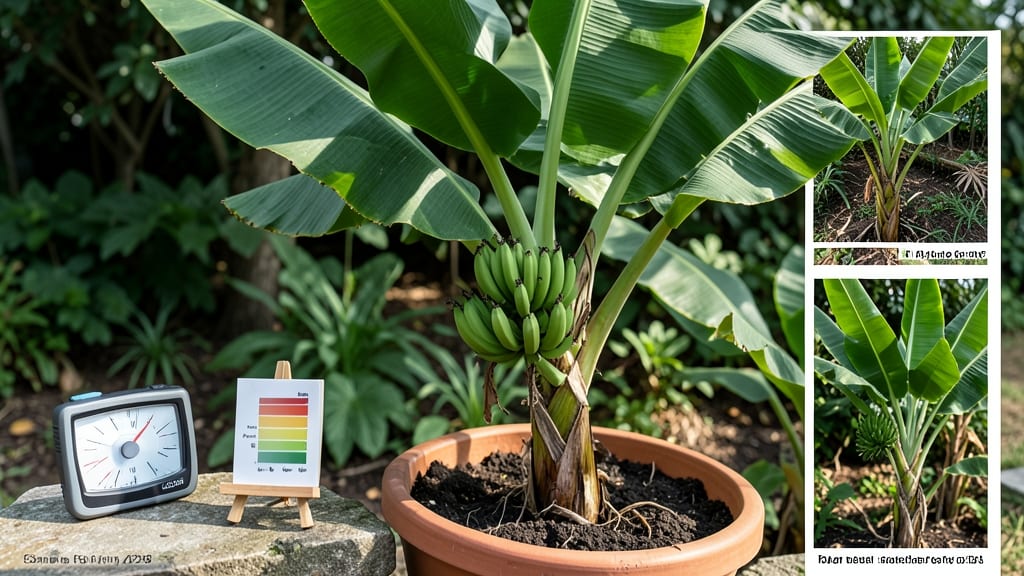
If you’re wondering how much light does a banana plant need, the answer might surprise you—it’s not just about full sun exposure.
Unlike shade-loving houseplants, banana plants thrive in bright, tropical conditions, but too much direct sunlight can scorch their leaves just as easily as too little stunts their growth.
Most gardeners assume these dramatic plants need full sun all day, but the truth is more nuanced. Whether you're growing yours indoors by a sunny window or outdoors in USDA Zone 6a, understanding the balance between light and shade is the key to keeping your banana plant thriving year-round.
In this guide, I'll break down exactly how much light your banana plant needs—from the ideal 6+ hours of sunlight to smart ways to protect it from harsh afternoon rays. You'll also learn how to spot signs of light stress and adjust care before it's too late.
Ready to give your tropical giant the perfect light conditions? Let’s dive into what your banana plant truly needs to grow tall, strong, and fruit-filled.


Optimal light requirements for banana plants: indoor vs outdoor guidelines
Banana plants, native to tropical regions, crave bright light to thrive. In their natural habitat, they bask under full sun for 10-12 hours daily. However, adapting them to home gardens requires understanding their flexibility—they tolerate some shade but won’t fruit well without sufficient light.
Let’s break down their needs for both indoor and outdoor setups.
Outdoor banana plants in tropical climates (USDA Zones 10-12) can handle direct sunlight all day. But in temperate zones (like Zones 8-9), afternoon shade protects leaves from scorching. In colder climates (Zones 6-7), grow them in containers and bring them indoors before frost.
Indoor banana plants need the brightest spot you can offer—a south-facing window is ideal. Without enough light, they’ll grow leggy and weak. If your home lacks natural light, grow lights become essential. I’ll cover light solutions in detail later, but first, let’s compare their needs side by side.
| Condition | Outdoor Requirements | Indoor Requirements |
|---|---|---|
| Sunlight Hours | 6–12 hours (full sun) | 4–6 hours (bright indirect light) |
| Shade Tolerance | Partial shade in hot afternoons | No direct sun; east/west windows work |
| Light Source | Natural sunlight | South-facing window or grow lights |
| Seasonal Adjustments | Move to shade in summer heat | Supplement with grow lights in winter |
| Growth Impact | Maximizes fruit production | Slower growth; may not fruit |
For outdoor banana plants, aim for 6+ hours of direct sunlight daily. In hot climates, provide afternoon shade to prevent leaf burn. I’ve seen my outdoor plants flourish in morning sun and afternoon shade, especially in Zone 9. Rotate the pot occasionally to ensure even growth.
In indoor settings, a south-facing window provides the most light, but east or west windows can work if supplemented with reflective surfaces (like mirrors) to bounce extra light. If your home lacks natural light, LED grow lights are the best solution—more on that in the next section.
One common misconception is that banana plants need low light. This couldn’t be further from the truth! They’re sun-worshippers and will stretch toward light sources if deprived. I’ve had to move mine closer to windows multiple times when they started looking leggy and weak.
If you’re growing banana plants in containers, place them where they’ll get maximum sunlight for at least half the day. Containers dry out faster, so ensure they’re in a spot with both light and moisture.
In urban balconies, south-facing railings are ideal, but east or west exposures work too with proper light supplementation.
Regional adaptations matter too. In tropical climates, banana plants thrive with full sun exposure. But in cooler climates, like Zone 7, they may need protection from harsh winter winds and supplemental light during shorter days.
I’ve used a greenhouse setup in winter to extend their growing season successfully.
Remember, light quality matters as much as quantity. Banana plants need bright, direct light to produce fruit. Without it, they’ll focus energy on leafy growth instead. If you’re not seeing flower spikes, it’s a sign they need more light.
Finally, monitor your banana plant’s growth patterns. Healthy leaves should be deep green and upright. If they’re yellowing or drooping, it’s time to adjust their light exposure. We’ll dive deeper into these signs of light stress in the next section.
Optimal light requirements for banana plants: indoor vs outdoor guidelines
Banana plants, native to tropical regions, crave bright, direct sunlight to thrive. In their natural habitat, they bask under full sun exposure for 10+ hours daily. Replicating these conditions—whether outdoors or indoors—is key to growing a healthy, fruit-bearing plant.
Outdoor banana plants need 6 to 8 hours of direct sunlight daily, while indoor plants require 4 to 6 hours near a south-facing window. Without enough light, growth slows, leaves yellow, and fruit production stalls.
Let’s break down the exact light needs for both environments to keep your banana plant happy and productive.
| Environment | Sunlight Needs | Ideal Placement | Seasonal Adjustments |
|---|---|---|---|
| Outdoor (Tropical) | 6–8 hours direct sun | Full sun garden bed or patio | No adjustments needed; year-round sun |
| Outdoor (Temperate) | 6+ hours sun in summer, partial shade in winter | South or west-facing spot; move indoors if frost threatens | Use shade cloth (30–50%) in peak summer heat |
| Indoor (Window) | 4–6 hours bright, indirect light | South-facing window; rotate plant weekly for even growth | Supplement with grow lights in winter (12–14 hours/day) |
| Indoor (Grow Lights) | 12–14 hours artificial light (LED or fluorescent) | 6–12 inches from light source; keep 12+ inches from leaves | Adjust light height as plant grows; use full-spectrum bulbs |
For outdoor banana plants in tropical climates, full sun is non-negotiable. In temperate zones, provide afternoon shade during scorching summers to prevent leaf burn. My banana plant in Zone 9 thrives with morning sun and afternoon shade—its leaves stay vibrant, and it produces fruit reliably.
Indoor banana plants are trickier. A south-facing window is ideal, but east or west windows work too—just rotate the pot weekly to prevent lopsided growth. If your home lacks natural light, grow lights are a game-changer.
I use a full-spectrum LED 12 inches above my plant for 14 hours daily, and it grows just as well as my outdoor variety.
Regional adjustments matter. In cold climates (Zones 5–8), grow banana plants in containers and move them indoors before frost. Even a sunny windowsill can work if you supplement with grow lights during short winter days.
The key is consistency—banana plants hate sudden light changes, so acclimate them gradually if moving between indoor and outdoor spaces.
Watch for leaf color changes as your first clue. Dark green, upright leaves mean your plant is happy. Pale, yellowing leaves or leggy stems signal it’s time to adjust light exposure.
With the right balance, your banana plant will reward you with lush foliage and sweet fruit—even in less-than-ideal conditions. 🍌