
How To
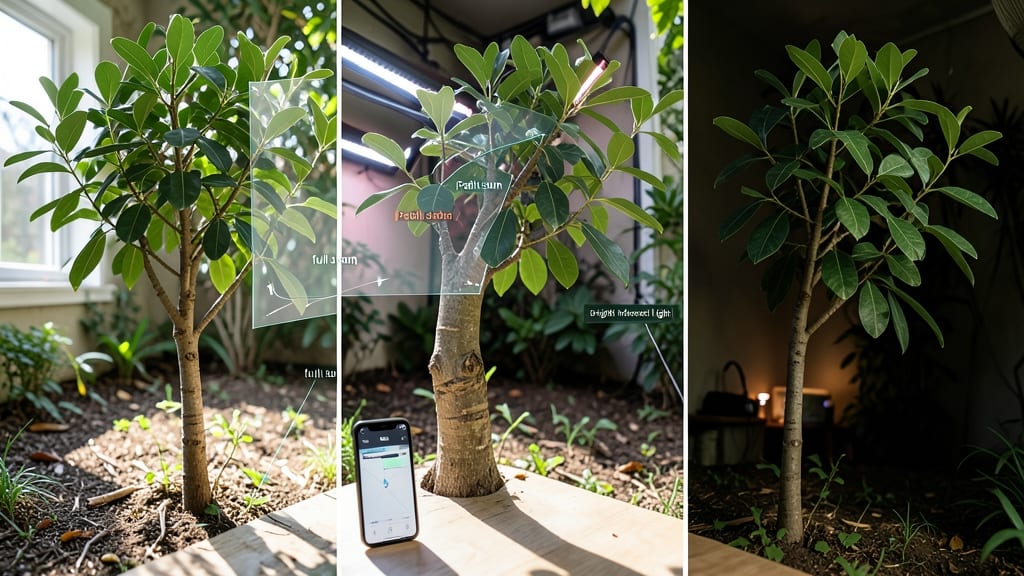
If you're wondering how much light does an avocado plant need, the answer might be simpler than you think—it’s probably not getting the right amount.
Too little sunlight leaves it weak and yellow, while too much can scorch those delicate leaves, and most beginners don’t realize how picky avocados are about their light conditions.
Here’s the truth: avocado plants thrive with bright, indirect light for at least 6 hours a day, but they can’t handle harsh midday sun like some tropical plants.
Whether you’re growing yours indoors near a window or outdoors in your garden, getting this balance right is the key to lush, healthy growth.
I’ll walk you through exactly how to assess your plant’s light needs, spot the warning signs of over- or under-exposure, and even share my favorite tricks for supplementing sunlight when natural light falls short. Let’s get your avocado plant the perfect glow it deserves!
From adjusting your indoor setup to protecting your outdoor tree from scorching rays, these simple steps will help you avoid common mistakes and keep your plant flourishing year-round—no guesswork required.


Optimal sunlight requirements for avocado plant growth by stage
Avocado plants are sun worshippers—they crave 6+ hours of direct sunlight daily to grow strong and produce fruit. But their light needs change as they mature, from delicate seedlings to towering trees.
Understanding these stages will help you adjust their placement, whether indoors or outdoors, to avoid stunted growth or sunburn.
For seedlings and young plants, start with bright indirect light (like a east-facing window) to prevent shock. Gradually introduce them to morning sun first, then full sun as they mature. This slow transition mimics natural conditions and builds resilience.
Mature avocado plants need full sun exposure (6-8 hours daily), but they can handle partial shade in extreme heat (like afternoon shade in hot climates). If growing outdoors, place them where they get morning sun and afternoon shade during peak summer months to avoid leaf scorch.
During the fruiting stage, avocado trees demand even more light—8+ hours of direct sun ensures proper fruit development. Without enough light, fruits may drop prematurely or fail to ripen. If you notice small, misshapen fruit, it’s a sign your tree needs more sunlight.
Indoor avocado plants face unique challenges. A south-facing window provides the most light, but even then, they may need supplemental grow lights (especially in winter). Without enough light, indoor avocados often grow leggy and weak, with sparse foliage.
Seasonal adjustments are key. In spring and fall, avocados thrive in full sun, but in summer’s intense heat, they may need afternoon shade to prevent leaf burn. In winter, reduce light exposure gradually to mimic shorter days and avoid shocking the plant.
🌱 Avocado Light Needs by Growth Stage
| Stage | Light Requirement | Indoor Placement | Outdoor Placement |
|---|---|---|---|
| Seedling (0-6 months) | Bright indirect light (4-6 hrs) | East/west window | Partial shade (morning sun) |
| Young Plant (6-24 months) | Full sun (6+ hrs) | South window + grow lights | Full sun (gradual transition) |
| Mature Plant (2+ years) | Full sun (8+ hrs) | Grow lights (12+ hrs/day) | South/southwest exposure |
| Fruiting Stage | Full sun (8-10 hrs) | Not recommended (outdoor preferred) | Full sun with afternoon shade |
💡 Pro Tip: Rotate container-grown avocados weekly to ensure even light exposure on all sides.
If you’re growing avocados in containers, choose a spot where they get unfiltered sunlight for most of the day. Containers heat up faster, so ensure the pot has drainage holes and use a light-colored pot to reflect excess heat.
In apartments, a south-facing balcony is ideal, but avoid placing them near glass doors or walls, which can create heat pockets.
Outdoor avocados need well-draining soil and protection from strong winds, which can dry out leaves and reduce light absorption. If you live in a cooler climate (USDA Zone 8 and below), grow avocados in containers and bring them indoors during winter when daylight drops below 6 hours.
This prevents light deprivation, which weakens the plant’s immune system.
Monitor your avocado’s leaf color and growth pattern to gauge if it’s getting the right amount of light. Dark green, glossy leaves indicate healthy light exposure, while pale or yellowing leaves signal insufficient light.
Adjust placement every few weeks to match seasonal sun shifts, especially during spring and fall when daylight changes rapidly.
Remember, avocados are tropical plants—they thrive in warmth and bright light. If you’re in a high-altitude or northern location, supplement natural light with LED grow lights to mimic tropical conditions.
With the right light balance, your avocado plant will reward you with lush growth and delicious fruit.
🌿
Signs your avocado plant isn’t getting enough (or too much) light
Avocado plants are masters of disguise—they’ll hide light struggles until it’s too late. Yellowing leaves on the bottom are the first red flag, signaling insufficient light. If only the new growth looks pale or leggy, your plant is stretching toward light like a sunbathing cat.
These signs mean it’s time to move your avocado plant closer to a window or invest in a grow light.
On the flip side, brown crispy edges or bleached white patches on leaves mean your plant is sunburned. This usually happens when you move a shade-adapted plant into harsh afternoon sun too quickly.
Avocados love light, but they’re not fans of intense midday rays—especially in hot climates. If you notice these burn marks, provide afternoon shade with a sheer curtain.
Symptom: Brown, papery leaf edges or white/yellow patches
Cause: Direct afternoon sun (1 PM–4 PM) or south-facing windows without shade
Fix: Move plant 2–3 feet back from window or use lacy curtain to diffuse light
Another clue? Stunted growth or small, sparse leaves mean your avocado isn’t getting enough photosynthesis fuel. If your plant looks like it’s giving up—dropping leaves or failing to produce new ones—it’s begging for more bright indirect light.
Try rotating the pot quarter-turns weekly so all sides get equal exposure.
For container-grown avocados, check the soil moisture too—underlit plants often overwater because their roots can’t absorb nutrients efficiently. If the top inch of soil stays soggy for days, it’s a double signal: low light + poor drainage.
Let the soil dry slightly between waterings and boost light exposure immediately.
Outdoor avocados in partial shade (like under a dappled tree canopy) may survive but never fruit. If you’re growing one in Zone 9–11, ensure it gets morning sun + filtered afternoon shade.
In cooler zones (Zones 7–8), a south-facing wall or greenhouse can extend the growing season.
Pro tip: Use a light meter app (like Light Meter by Awareness Technologies) to check your plant’s light intensity. Aim for 10,000–15,000 lux for healthy growth. If your reading is below 5,000 lux, it’s time to supplement with grow lights or relocate.
Remember, avocados are tropical trees—they crave bright, consistent light but hate extreme conditions. Adjust gradually, and your plant will reward you with lush green leaves and maybe even a few avocados one day! 🌿