
Plants
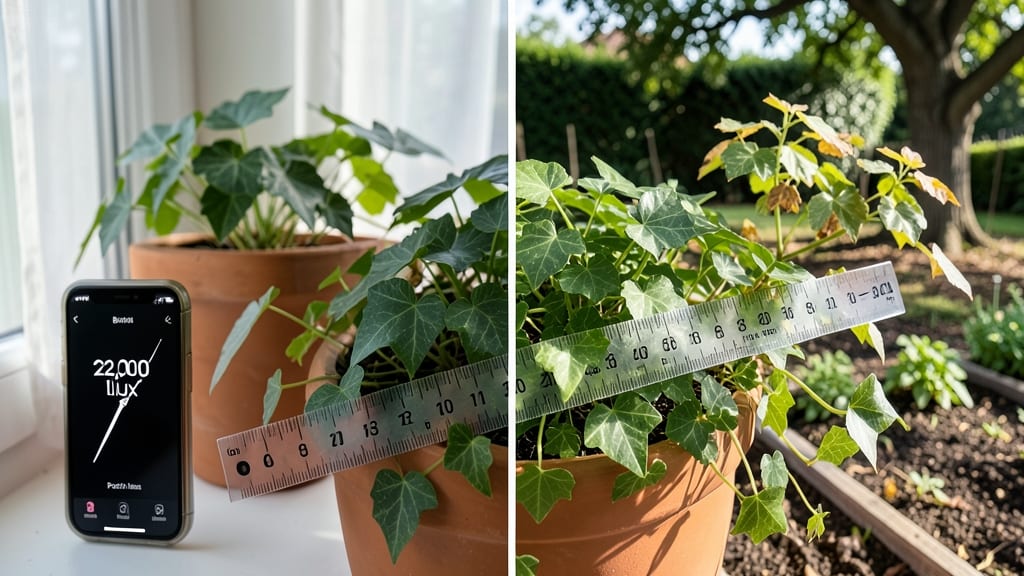
Wondering how much light does an ivy plant need to thrive? You're not alone—many gardeners struggle with this question, especially when their ivy starts looking sad or leggy.
Ivy is one of those hardy plants that can adapt to various light conditions, but finding the sweet spot makes all the difference between a lush, vibrant vine and a struggling one.
The key is understanding that ivy loves bright indirect sunlight, but it can also handle lower light levels better than many other plants. Too much direct sun, however, and you’ll see brown spots or crispy leaves.
Too little, and your ivy will stretch out, growing thin and weak. The trick is balancing its needs based on whether it’s indoors or outdoors.
If you’re growing ivy inside, a spot near a north-facing window is ideal—it gets enough light without harsh rays. Outdoors, ivy thrives in dappled shade or partial sun, making it perfect for shady gardens or under trees.
But what if your space doesn’t have the perfect lighting? Don’t worry; I’ll show you how to adjust placement, use sheer curtains, or even supplement with grow lights to keep your ivy happy.
Let’s dive into the details so you can give your ivy the exact light conditions it craves—whether you’re dealing with a sunny windowsill or a dim corner. Your plant will thank you with vigorous growth and those classic trailing vines you love!


Ivy light requirements: the ideal range from low to bright indirect sun
Ivy thrives in partial shade, making it one of the most adaptable plants for low-light conditions. Unlike sun-loving succulents, ivy doesn’t need harsh sunlight—bright indirect light is ideal for lush, healthy growth.
This means placing your ivy near a window with filtered light or in a spot with dappled sunlight (like under trees). Too little light causes leggy growth, while too much direct sun can scorch its delicate leaves.
Most ivy varieties—like English ivy (Hedera helix) or Hawaiian ivy (Hedera colchica)—tolerate as little as 2 hours of indirect light daily but perform best with 4-6 hours.
The key is avoiding direct afternoon sun, which can damage leaves. Think of ivy’s natural habitat: forest floors and shaded cliffs, where light is soft and diffused.
🌿
| Light Condition | Ivy Variety Adaptation | Growth Impact |
|---|---|---|
| Low Light (<2 hrs indirect) | English Ivy, Swedish Ivy | Leggy stems, sparse leaves |
| Bright Indirect (4-6 hrs) | All varieties | Optimal growth, vibrant foliage |
| Direct Sun (>6 hrs) | Hawaiian Ivy (most tolerant) | Leaf scorch, crispy edges |
| Deep Shade (0 hrs direct) | All varieties | Survives but weak growth |
Ivy’s chlorophyll production peaks under bright indirect light, which is why its leaves stay a rich green. In low light, chlorophyll struggles to form, leading to etiolation—those long, thin stems reaching desperately for any light source.
On the flip side, direct sunlight can cause oxidative stress, turning leaves yellow or brown at the edges. The goal is to mimic morning sun with afternoon shade, like ivy experiences in its native woodland edges.
For indoor ivy, a north-facing window is perfect because it provides cool, diffused light without harsh rays. If your home lacks natural light, consider a south-facing window with a sheer curtain to filter intensity.
Outdoor ivy? Plant it where it gets morning sun and afternoon shade, such as under a patio cover or near a building’s north side.
🌱
Not all ivy varieties are created equal when it comes to light. English ivy (Hedera helix) is the most adaptable, thriving in low to bright indirect light. Hawaiian ivy (Hedera colchica), with its larger leaves, can handle more light but still prefers indirect exposure. Swedish ivy (Plectranthus verticillatus), often confused with true ivy, tolerates slightly brighter conditions but avoids direct sun.
Always check your ivy’s leaf color: deep green means happy, while pale or yellowing leaves signal a light issue.
Pro tip: Rotate your ivy quarter-turns every 2 weeks to ensure even light exposure. This prevents one side from stretching toward the light while the other stays weak. If you notice brown patches on leaves, move your ivy to a shadier spot immediately—this is a classic sign of sunburn.
Conversely, if stems are long and bare, it’s begging for more light (but keep it indirect!).
🪴
For growers in apartments or offices, artificial lighting can save the day. A full-spectrum LED grow light placed 6-12 inches above the plant for 12-14 hours daily mimics natural light perfectly.
Even a simple fluorescent bulb works in a pinch, though it won’t be as effective. Just avoid incandescent bulbs, which emit too much heat and can damage delicate ivy leaves.
Remember, ivy’s light needs are flexible, but consistency is key. Whether you’re growing it indoors or outdoors, bright indirect light is the sweet spot for a vibrant, healthy vine that climbs, trails, or cascades beautifully.
With the right light, your ivy will reward you with year-round greenery and minimal fuss.
How to adjust light for ivy growth: fixing common problems like leggy stems or brown spots
If your ivy is stretching toward the light with sparse leaves or developing crispy brown patches, it’s sending you a clear message: its light balance is off. Leggy stems and weak foliage signal underlighting, while yellowing or scorched leaves mean too much direct sun.
The good news? Adjusting light is often as simple as repositioning your plant or adding a sheer curtain. Let’s fix these issues step by step.
Start by diagnosing the problem. Leggy ivy (etiolation) occurs when it reaches for light, while brown leaf tips or crispy edges are classic signs of sunburn from harsh rays.
Ivy varieties like English ivy and Swedish ivy are more forgiving than Hawaiian ivy, which can be sensitive to intense light. Rotate your plant quarter-turns every week to ensure even growth and prevent leaning.
⚠️ Warning: Direct Sun is Ivy’s Enemy
Never place ivy in south- or west-facing windows without protection. Even 2-3 hours of direct sun can cause leaf scorch. Use sheer white curtains to diffuse light while still allowing brightness to filter through.
For indoor ivy, north-facing windows are ideal—they provide bright indirect light without harsh rays. If your space lacks natural light, supplement with a grow light 6-12 inches above the plant for 12-14 hours daily.
LED grow lights with a cool white spectrum mimic natural light perfectly and won’t overheat your leaves.
Outdoor ivy thrives in dappled shade, like under large trees or pergolas. Avoid full shade, which slows growth, or full sun, which risks leaf damage. If your outdoor ivy is struggling, try moving it to a morning sun spot with afternoon shade.
Mulch the soil to retain moisture and reduce stress from fluctuating light conditions.
Seasonal changes also affect ivy’s light needs. In winter, when days are shorter, move indoor ivy closer to windows. In summer, watch for afternoon sun and adjust placement accordingly. A simple trick? Use a light meter app to track lux levels—ideal ivy light ranges between 1,000-3,000 lux.
With these adjustments, your ivy will bounce back with vibrant green leaves and compact, bushy growth. Consistency is key: monitor your plant’s response and tweak its light exposure gradually. Soon, you’ll have a lush, thriving ivy that’s the envy of every gardener! 🌿