
How To
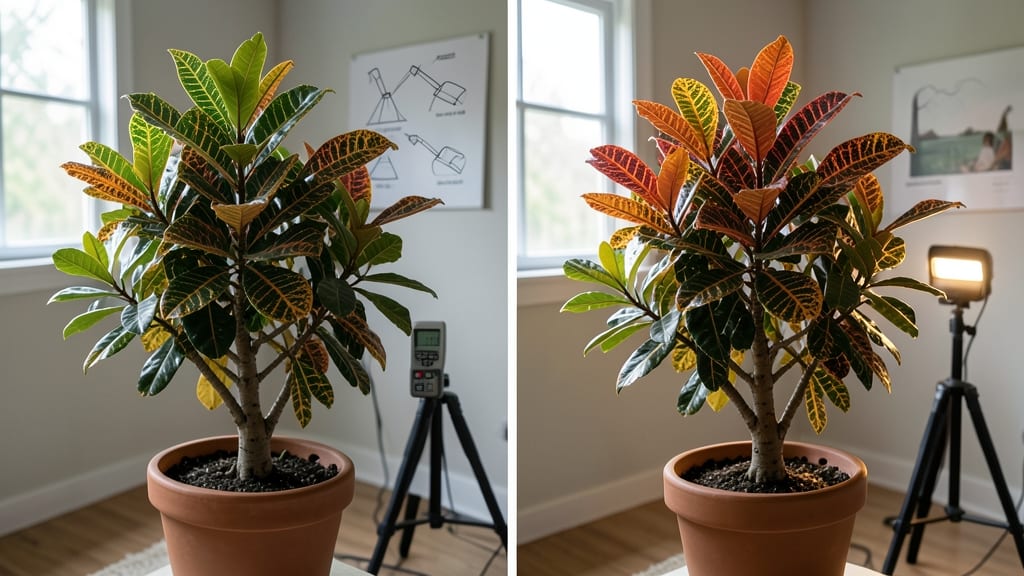
If you’re wondering how much light does a croton plant need, the answer lies in striking the perfect balance—too little or too much can dull its vibrant colors or damage its leaves.
The right amount of brightness is the key to keeping those stunning foliage colors popping year-round, and too little or too much can spell disaster for your plant’s health.
Croton plants thrive in bright, indirect light—think of it as their version of a sunny beach day without the harsh glare. But here’s the catch: while they love light, direct sun can scorch their leaves faster than you can say "leaf burn."
I’ll show you exactly how to strike that perfect balance, whether you’re dealing with a dim corner or a south-facing window that’s too intense.
You’ll discover how to spot the signs of under- or over-exposure, from leggy growth to crispy brown edges, and learn simple fixes like rotating your plant or using sheer curtains. Plus, I’ll cover seasonal adjustments so your croton stays happy even when winter light fades.
Ready to transform your croton from lackluster to lush? Let’s dive into the bright indirect sun secrets that will have your plant thriving in no time.


Croton plant light requirements: ideal bright indirect sun exposure explained
Croton plants (Codiaeum variegatum) are famous for their vibrant, multicolored foliage, but their stunning leaves require the right light conditions to stay healthy. Unlike sun-worshipping succulents, crotons thrive in bright indirect light, making them perfect for indoor gardeners with east or west-facing windows.
Too little light dulls their colors, while too much causes leaf burn—so finding the balance is key.
In nature, crotons grow under dappled forest sunlight, which mimics the bright but filtered light you should aim for indoors. This means placing your plant within 3-6 feet of a window where it gets morning sun and afternoon shade.
South-facing windows can work, but you’ll need to protect your croton from harsh midday rays using sheer curtains. Outdoor crotons love partial shade, especially in hot climates.
Here’s the golden rule for croton light: 4-6 hours of bright indirect light daily. If your home has low light, supplement with a grow light (12-14 hours/day) to prevent leggy growth.
Remember, crotons are tropical plants—they’re used to consistent light, so avoid moving them frequently, which can stress their leaves.
| Light Requirement | Specification | Notes |
|---|---|---|
| Ideal Light Type | Bright Indirect | Mimics dappled sunlight (e.g., east/west windows) |
| Minimum Daily Hours | 4-6 hours | Supplement with grow lights if needed |
| Direct Sun Tolerance | Moderate (1-2 hours max) | Afternoon sun can scorch leaves |
| Low-Light Threshold | <3 hours/day | Leads to pale leaves and leggy growth |
| Seasonal Adjustment | Winter: Increase light | Shorter days reduce natural light |
Crotons are light-sensitive, so their leaves act like a mood ring for your growing conditions. Yellowing leaves or stretched stems signal insufficient light, while brown, crispy edges mean too much direct sun.
Rotate your plant quarter-turns weekly to ensure even light exposure—this prevents lopsided growth and keeps those showy variegated patterns vibrant. Pro tip: If your croton’s leaves lose their color, it’s a cry for more light!
Outdoor crotons need partial shade, especially in USDA Zones 9-11. In hotter climates, provide afternoon shade to protect them from intense afternoon sun, which can cause leaf scorch.
If you’re growing crotons in containers outside, move them to a covered patio during peak sun hours (11 AM–3 PM) in summer. This mimics their natural habitat under forest canopies.
One common mistake is assuming more light is always better. While crotons love brightness, they’re not desert plants—they’ll thrive in filtered light rather than harsh, unfiltered sun. Test your setup by placing your croton near a window for a week.
If the leaves stay deep green with vibrant colors, you’ve nailed the light balance. If they start fading or wilting, adjust the placement immediately.
For indoor growers, east-facing windows are ideal because they provide gentle morning light without the intensity of midday sun. West-facing windows work too, but use sheer curtains to diffuse the harsh afternoon rays.
If your home lacks natural light, a LED grow light (6000K–6500K color temperature) placed 6-12 inches above the plant can mimic sunlight perfectly. Just remember: 12-14 hours of light daily is the magic number for indoor crotons.
Seasonal changes can throw off your croton’s light routine. In winter, when days are shorter, move your plant closer to the window or extend its light exposure with a grow bulb.
In summer, watch for longer daylight hours—if your croton starts getting too much sun, shift it to a shadier spot or add a light-blocking screen. Consistency is key; sudden light changes can shock your plant and cause leaf drop.
Finally, don’t forget that croton leaves are sensitive to temperature fluctuations near windows. If your window gets too cold (below 60°F), the leaves may develop brown spots. Use a thermometer to monitor temperatures and move your plant if needed.
With the right light balance, your croton will reward you with bold, glossy leaves that stay stunning year-round.
How to adjust light for croton plants in different rooms or climates
Not all homes or climates offer the same bright indirect light that crotons crave. If your space has low light, like a north-facing window, or harsh direct sun from a south-facing one, don’t worry—there are solutions!
The key is adapting your plant placement or using tools to mimic ideal conditions.
For low-light areas, like offices or basements, aim for 4-6 hours of filtered light daily. East-facing windows are your best bet—they provide gentle morning sun without the intensity of afternoon rays.
If natural light is scarce, grow lights (LED or fluorescent) can bridge the gap, especially in winter when daylight shrinks.
Here’s how to tweak your setup based on your space:
Pro tip: Rotate your croton every 2–4 weeks to ensure all sides get even light exposure. This prevents lopsided growth and keeps those stunning variegated leaves looking their best year-round.
Remember, crotons are flexible—they’ll adapt if you adjust gradually. If you notice yellowing leaves or stretched stems, it’s your cue to tweak their light setup. With the right balance, your croton will reward you with bold, colorful foliage that’s the envy of every plant lover! 🌿