
Plants
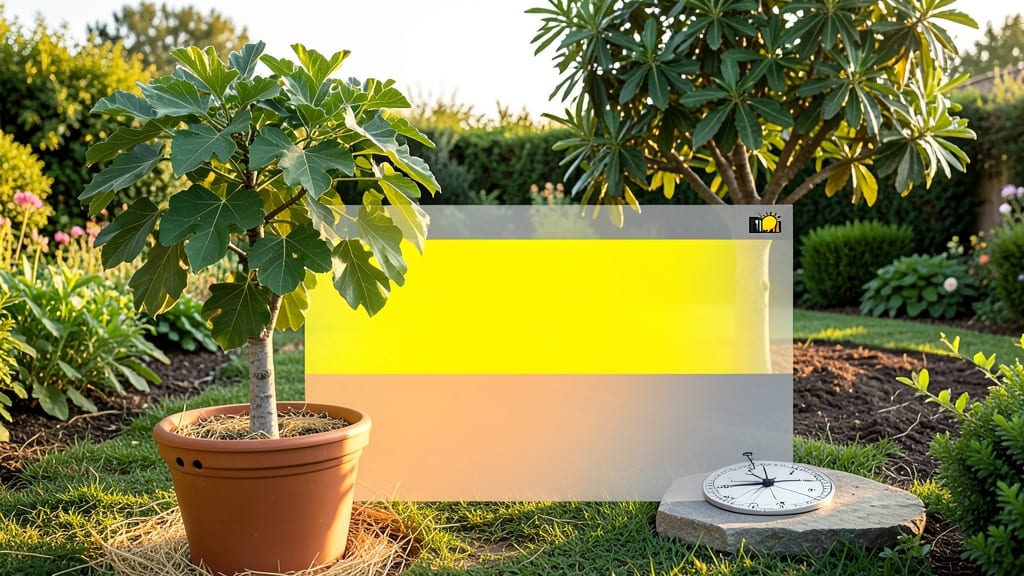
If your 🍈 fig plant needs how much light does a fig plant need to thrive, you're probably missing the mark on light. Figs aren't your average houseplant—they crave sunlight like a teenager craves Wi-Fi, and getting the balance right is the difference between lush branches and sad, sparse leaves.
Too little light, and your fig will stretch toward the window like it's reaching for a high-five, growing leggy and weak. Too much direct sun, and those beautiful leaves will crisp up faster than toast in a toaster oven.
The sweet spot? Bright, indirect sunlight for most of the day—think morning sun with afternoon shade if you're outdoors in USDA Zone 6a.
Here's the game-changer: indoor growers need to get creative with south-facing windows or grow lights, while outdoor plants thrive in that perfect spring sunshine (April-May planting window, anyone?). I'll show you exactly how to spot the signs of light love—or light trouble—and adjust before it's too late.
Whether you're dealing with a container plant on your patio or a young tree in your backyard, mastering the light equation is your first step to a fig that's bursting with fruit by July. Let's make sure your plant gets exactly what it needs—no guesswork, just results.


Fig plant light requirements: the perfect balance of sunlight for growth and fruit
Fig plants are sun-worshippers at heart, but they’re not as tough as you might think. While they crave sunlight, too much direct exposure can scorch their leaves, and too little leaves them leggy with sparse fruit.
The sweet spot? 6 to 8 hours of bright, indirect sunlight daily—think of it as a sunny patio with afternoon shade. This balance ensures lush foliage and abundant fruit production, whether you're growing them outdoors or indoors.
Outdoor figs thrive in full sun conditions, especially in warmer climates where they can handle up to 10 hours of direct sunlight. However, in hotter regions, providing afternoon shade during peak summer months prevents leaf burn.
For indoor figs, a south-facing window with filtered light is ideal, but you’ll need to rotate the plant weekly to prevent it from leaning toward the light source.
Here’s the key: figs need intense light but aren’t fans of harsh midday sun. In cooler climates, they can tolerate morning sun and afternoon shade, while tropical varieties like 'Celeste' or 'Violette de Bordeaux' can handle more direct sun.
The goal is to mimic their natural Mediterranean habitat—warm, bright, and slightly protected.
🌱
Seasonal changes play a huge role in how much light your fig plant needs. In spring and fall, when sunlight is less intense, figs can handle more direct exposure. But during summer’s peak, especially in zones 8 and above, afternoon shade becomes critical.
Watch for leaf scorch—crispy, brown edges—as a sign your plant is getting too much direct sun.
If your fig plant starts showing signs of light deficiency, like elongated stems or pale leaves, it’s time to adjust. Move it closer to a sunny window or supplement with a grow light for 12-14 hours a day.
For outdoor plants, prune nearby trees or shrubs that might be casting too much shade. Remember, figs are opportunistic growers—they’ll stretch toward any light source, but that often means weaker stems and fewer fruits.
Another pro tip: Mature fig trees in the ground can handle more sunlight than container-grown figs. If you’re growing your fig in a pot, it’s even more critical to monitor light exposure, as containers heat up faster and dry out quicker.
Aim for a well-ventilated spot with consistent light to keep your potted fig thriving.
🌿
For fruit production, light is non-negotiable. Figs need intense light to develop sweet, flavorful fruit. If your plant isn’t fruiting, it might be getting too little light—or not enough of the right kind.
Try moving it to a sunnier spot and fertilize lightly with a balanced NPK fertilizer (like 5-10-10) to encourage flowering. Just don’t overdo it; too much fertilizer without enough light leads to lush leaves but no fruit.
Finally, keep an eye on your fig’s leaves. Healthy fig leaves should be a deep green and slightly leathery. If they’re turning yellow or dropping, it could be a light issue—or even overwatering. The key is to observe and adjust.
Start with the ideal 6-8 hours of bright light, then tweak based on your plant’s response. With the right light, your fig will reward you with juicy, homegrown fruit all season long.
☀️
How to adjust light for indoor vs. outdoor fig plants: troubleshooting common mistakes
Fig plants are sun worshippers, but they can’t handle harsh midday rays like desert natives. The key is bright indirect sunlight—think dappled shade on a breezy afternoon. Indoors, this means positioning your plant near a south-facing window where it gets morning sun and filtered afternoon light.
Without this balance, you’ll see yellowing leaves or crispy brown edges, both clear signs of light stress.
Outdoor figs need at least 6-8 hours of sunlight daily, but they’ll appreciate afternoon shade in hot climates. If your plant is struggling, watch for leaf drop or slow growth—these are red flags that it’s not getting enough light.
Even container-grown figs need this exposure, so don’t tuck them in shady corners of your patio.
- North-facing windows provide weak light—figs will stretch and grow leggy.
- Direct midday sun causes leaf scorch, especially in hot summers.
- Moving plants abruptly between light conditions can shock them.
For indoor growers, grow lights are a game-changer. A full-spectrum LED 12-14 inches above your plant for 10-12 hours daily mimics natural sunlight. Place the light on a timer to avoid overdoing it—figs need rest too!
If your plant is reaching toward the light, it’s begging for more intensity or duration.
Outdoor figs benefit from seasonal light adjustments. In summer, provide afternoon shade with a lightweight shade cloth (30-50% block).
In winter, move potted figs closer to sunny walls or use reflective surfaces like white sheets to bounce extra light onto leaves. Microclimates matter: A south-facing wall heats up faster than open ground, so adjust placement accordingly.
Yellowing leaves? Start by checking the light source. If they’re pale and sparse, your fig needs more light. If they’re crispy with brown edges, it’s getting too much direct sun. Rotate your plant weekly so all sides get even exposure—this prevents lopsided growth and ensures balanced light absorption.
Remember, figs are drought-tolerant but light-hungry. If you’re balancing both, prioritize light first. A happy fig in the right light will reward you with sweet, plump fruit and glossy leaves that’ll make your garden the envy of the neighborhood. 🌿