
Plants
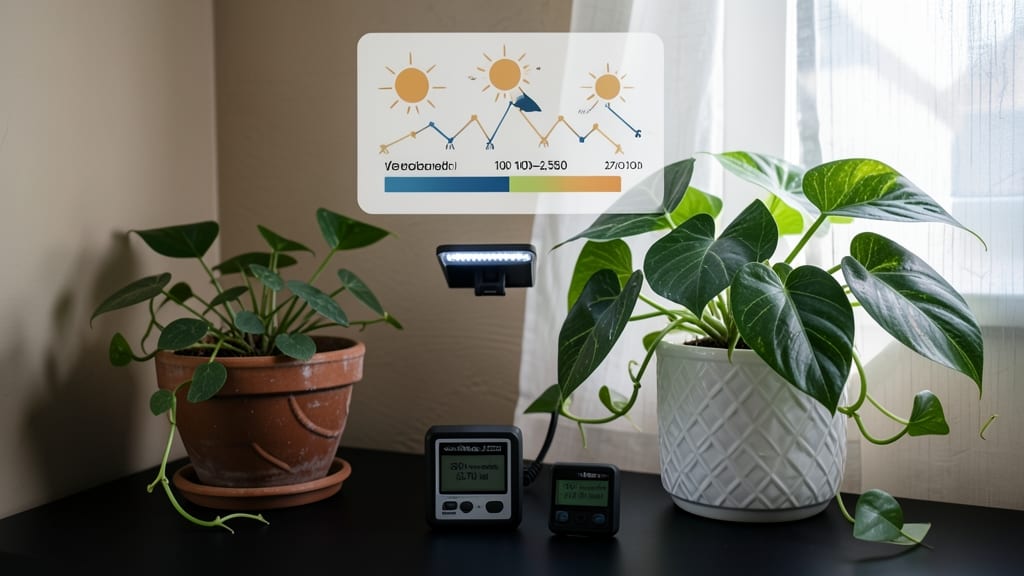
If your Philodendron 🌿 is struggling with yellow leaves or slow growth, the answer might be simpler than you think—it’s all about how much light this plant needs.
This adaptable plant thrives on bright indirect sunlight, but too much direct exposure can scorch its delicate leaves, while too little leaves it weak and leggy.
Most people assume Philodendrons are low-light survivors, but the truth is, they actually prefer 3 to 4 hours of filtered light daily. Whether you’re dealing with a sunroom, office space, or a dim corner, understanding their light needs is the key to keeping your plant lush and vibrant.
Let’s break down the ideal light conditions, how to spot when your plant is getting it wrong, and practical tips to adjust your home’s lighting—so you can finally stop guessing and start growing a thriving, happy Philodendron.
From east-facing windows to grow lights, I’ll show you exactly where to place your plant for maximum health. Ready to give your leafy friend the perfect lighting setup?


Philodendron light requirements: the ideal balance of bright indirect sun
Philodendrons thrive in bright indirect sunlight, making them perfect for homes with limited direct sun exposure. Most varieties—like the heartleaf philodendron and philodendron Brasil—need 2-4 hours of filtered light daily.
This means placing them near east-facing windows or under sheer curtains on south-facing windows to diffuse harsh rays.
The key is avoiding direct midday sun, which can scorch leaves, and preventing deep shade, which slows growth. Think of their natural habitat: tropical rainforest undercanopy, where light filters through leaves above. Mimicking this environment is crucial for their health.
Here’s the golden rule: If your philodendron’s leaves look dull or pale, it needs more light. If they develop brown crispy edges, it’s getting too much direct sun. The balance is delicate, but achievable with the right setup.
| Variety | Ideal Light | Signs of Too Little Light | Signs of Too Much Light |
|---|---|---|---|
| Heartleaf Philodendron | 2-3 hours bright indirect | Yellowing leaves, slow growth | Brown leaf edges, bleached spots |
| Philodendron Brasil | 3-4 hours bright indirect | Leggy growth, small leaves | Leaf burn, crispy texture |
| Philodendron Xanadu | 2-3 hours bright indirect | Stunted growth, pale variegation | Variegation loss, leaf scorch |
| Philodendron Gloriosum | 3-4 hours bright indirect | Drooping leaves, slow vine growth | Yellow patches, leaf drop |
Many gardeners mistakenly assume philodendrons can thrive in complete darkness or direct sunlight. The truth? They’re low-light tolerant but not low-light lovers. A north-facing window is ideal, while west or south-facing windows require sheer curtains or a sheer layer to soften the light.
To test your space’s light levels, use a light meter (or phone app) to measure foot-candles. Philodendrons prefer 100-500 foot-candles. Below 100, growth slows dramatically. Above 1,000, leaves burn. Rotate your plant quarter-turns weekly to ensure even growth and prevent lopsided vines.
Seasonal changes also affect light needs. In winter, when daylight is shorter, supplement with a grow light (LED or fluorescent) for 12-14 hours daily. In summer, watch for longer sun exposure and adjust placement accordingly.
A simple trick: If you can see your handprint on the leaf when it’s in the sun, it’s getting too much direct light.
For variegated philodendrons like the Philodendron Brasil, slightly more light is needed to maintain their stunning patterns. Without enough light, variegation fades, and leaves revert to solid green. This is your plant’s way of saying, “I need more energy to create these beautiful colors!”
Pro tip: If your philodendron starts dropping leaves, it’s often a light issue. Check for drafts near windows (cold air + sun = stress) or overwatering (which worsens in low light). Adjust one factor at a time to diagnose the problem accurately.
Remember, philodendrons are forgiving but not indestructible. With the right light balance, they’ll reward you with lush, vibrant growth and those iconic heart-shaped leaves you love.
Start with bright indirect light, monitor their response, and tweak as needed—your philodendron will thank you with years of thriving greenery. 🌿
How to adjust your home’s lighting for a thriving philodendron
Not all homes have that perfect north-facing window, and even if you do, seasonal changes can shift your philodendron’s light exposure. The key is creating a consistent environment that mimics its natural habitat—think dappled forest light.
Start by identifying the brightest indirect light spot in your home, usually near an east or west-facing window where harsh afternoon sun is filtered.
For rooms with only south-facing windows, place your philodendron at least 6 feet away to avoid leaf scorch. If your space feels dim, don’t panic—philodendrons adapt well to artificial grow lights.
A simple LED bulb with a 2700-3000K color temperature (warm white) works wonders, especially if placed 12-18 inches above the plant for 10-12 hours daily.
🌿
💡 5 Ways to Optimize Lighting
- 📍 East windows: Best for morning sun—rotate your plant weekly for even growth.
- 🌇 West windows: Use sheer curtains to diffuse afternoon intensity.
- 🔦 Grow lights: LED bulbs (6000K-6500K) for full-spectrum light if natural light is lacking.
- 🌳 Reflective surfaces: Place a mirror behind the plant to bounce extra light.
- 🌡️ Seasonal shifts: Move plants closer to windows in winter months when days shorten.
If your philodendron’s leaves start yellowing or developing brown tips, it’s often a light-related issue. Yellow leaves usually mean too much light or overwatering, while slow growth signals insufficient brightness. Test your setup by placing a light meter app near the plant—ideal levels are 500-1000 foot-candles for bright indirect light.
Pro tip: Philodendrons in low-light conditions (under 300 foot-candles) will grow slower but stay alive. However, they’ll reward you with larger, glossier leaves when given 3-4 hours of bright indirect light daily. Think of it as striking a balance between survival mode and showstopper foliage.
For outdoor philodendrons (like the Brasil variety), provide morning sun + afternoon shade. Use a 50% shade cloth if direct sun exceeds 2 hours—this prevents leaf burn while keeping growth vigorous.
Remember, philodendrons are forgiving, but consistency is key. If you notice stretched or pale leaves, it’s time to adjust—whether that means moving closer to a window or upgrading to a full-spectrum grow bulb. Your plant will thank you with lush, vibrant growth in no time! 🌱