
Plants
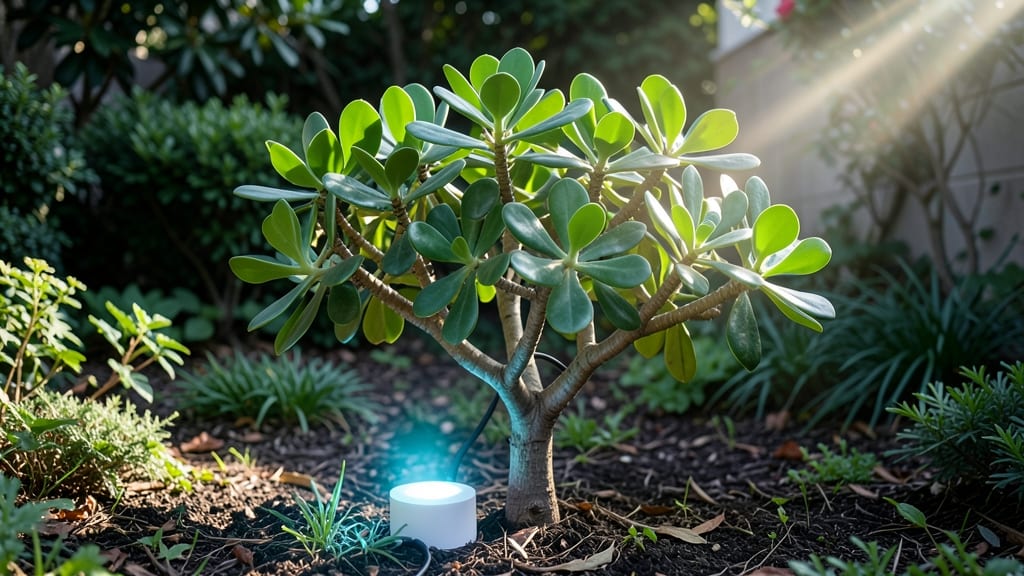
If your Jade Plant 🌿 looks like it’s fighting for its life—stretching toward the window or sporting sad, pale leaves—you’re probably not giving it the right amount of light it requires.
The secret to keeping this hardy succulent thriving isn’t complicated, but getting it wrong can mean the difference between a lush, vibrant plant and one that’s barely hanging on.
Jade plants are sun-worshippers, but they’re picky about how much they get. Too little light, and they’ll grow leggy and weak, reaching desperately for more. Too much direct sun, especially in the afternoon, and you’ll end up with crispy, sunburned leaves.
The sweet spot? Bright, indirect light for most of the day—think east or west-facing windows or a south window with some distance.
Here’s the good news: with just a few simple adjustments, you can turn your Jade Plant’s light situation around. Whether you’re dealing with a dim corner or a window that’s too hot, I’ll show you exactly how to create the perfect conditions for those thick, glossy leaves to shine.
Let’s get your plant back on track.
Ready to fix those light woes? You’ll learn how to spot the signs of over- or under-lighting, where to place your Jade Plant for optimal growth, and even how to supplement with grow lights if natural light falls short. Your plant’s future starts with the right glow!


Ideal light conditions for jade plants: bright indirect sunlight explained
Jade plants (Crassula ovata) are sun-loving succulents, but they need the right type of light to thrive. Too little causes leggy growth, while too much leads to sunburned leaves. The key is finding that sweet spot—bright indirect sunlight for most of the day.
Think of it like a balanced diet: not too much, not too little, just enough to keep your plant happy and healthy.
Indoors, the best spots are east or west-facing windows, where morning or afternoon sun gently filters through. South-facing windows work too, but move your jade plant 3–5 feet back to avoid harsh midday rays.
Outdoors, partial shade—like under a dappled tree canopy—mimics the ideal light conditions. This setup prevents etiolation (stretched, weak stems) while avoiding sun scorch.
🌿 Jade Plant Light Requirements Summary
| Light Type | Daily Exposure | Ideal Position | Signs of Stress | Seasonal Adjustments |
|---|---|---|---|---|
| Bright Indirect Light | 6–8 hours | East/west windows; 3–5 ft from south window | Slow growth, pale leaves | Filter light in summer with sheer curtains |
| Direct Morning Sun | 2–4 hours | Outdoor patio (partial shade), 2 ft from south window | Yellowing leaves, crisp edges | Avoid midday sun; rotate plant weekly |
| Low Light | N/A (avoid) | North-facing windows (supplement with grow lights) | Leggy stems, sparse leaves | Use full-spectrum LED grow lights 12–14 hrs/day |
Understanding the spectrum of light is crucial. Jade plants thrive on blue and red wavelengths, which boost photosynthesis. Bright indirect light provides these without the UV damage of direct afternoon sun.
If you notice your plant leaning toward the light, it’s begging for more—just rotate it quarter-turns weekly to encourage even growth.
Seasonal changes demand adjustments. In summer months, when sunlight is intense, use sheer curtains or move potted jades to dappled shade outdoors. During winter, when daylight shortens, supplement with a 10W LED grow bulb 12 inches away for 12 hours.
This mimics natural light cycles and prevents dormancy-related stress.
Outdoor gardeners often make the mistake of assuming "more sun is better." While jade plants love light, afternoon sun (3:00–5:00 PM) can be too harsh. Instead, opt for morning sun exposure paired with afternoon shade. This balance prevents leaf bleaching while still providing enough energy for robust growth.
For those in apartments or low-light homes, grow lights are a game-changer. A full-spectrum LED bulb placed 6–12 inches above your plant provides the 6–8 hours of light it craves.
Position it to shine on the plant for 12–14 hours daily, mimicking a sunny day. This setup is perfect for north-facing windows or basements.
Pro tip: Observe your jade plant’s leaf color as a barometer. Healthy leaves are thick, glossy, and deep green. If they turn pale or yellow, it’s a cry for more light.
Conversely, brown patches or white spots mean it’s getting too much direct sun. Adjust accordingly to keep your plant’s foliage vibrant and resilient.
Remember, jade plants are drought-tolerant but light-dependent. If you’re unsure about your home’s light levels, start with bright indirect light and monitor your plant’s response.
With the right light, your jade will reward you with thick stems, lush leaves, and even the occasional pink or white flower—a true testament to its thriving health. 🌿
How to Fix overwatering or sunburn damage from poor light exposure
If your jade plant shows signs of stress from light exposure, don’t panic—most damage is reversible with the right care. Overwatering and sunburn often stem from improper light conditions, but correcting them can restore your plant’s health.
Start by identifying the specific issue: yellowing leaves, leggy stems, or white powdery spots are all red flags.
For sunburned leaves, the damage is usually superficial. Trim away the affected areas using sterile scissors to prevent infection. This encourages new growth and keeps your plant looking tidy.
Avoid pruning more than 20% of the foliage at once to minimize stress on the plant. If the damage is severe, consider propagating the healthy cuttings to grow new plants.
If your jade plant has leggy stems from insufficient light, it’s time to adjust its environment. Move it to a sunnier spot, like an east or west-facing window, or supplement with a grow light.
A 10W LED bulb placed 12 inches away for 12–14 hours a day can work wonders. Avoid placing the plant in direct sunlight for extended periods, especially during peak afternoon hours when UV rays are strongest.
Adjust your watering schedule based on the plant’s new light exposure. Jade plants in brighter conditions dry out faster, so reduce watering to every 3–4 weeks instead of weekly. Always check the soil moisture by sticking your finger 1–2 inches deep—if it’s dry, it’s time to water.
Overwatering in bright light can lead to root rot, which is harder to fix than sunburn.
For outdoor jade plants, create DIY shade solutions using sheer curtains, lace curtains, or even a lightweight fabric draped over a frame. This diffuses harsh sunlight while still allowing plenty of bright indirect light to reach the leaves.
If your plant is near a glass door or window, reflected light can cause sunburn, so reposition it or add a reflective screen to break up the glare.
With these adjustments, your jade plant should bounce back within a few weeks. Monitor its progress and tweak its environment as needed—patience and consistency are key to reviving a stressed plant. Soon, you’ll have a thriving, vibrant jade plant that’s the envy of every room! 🌿