
Plants
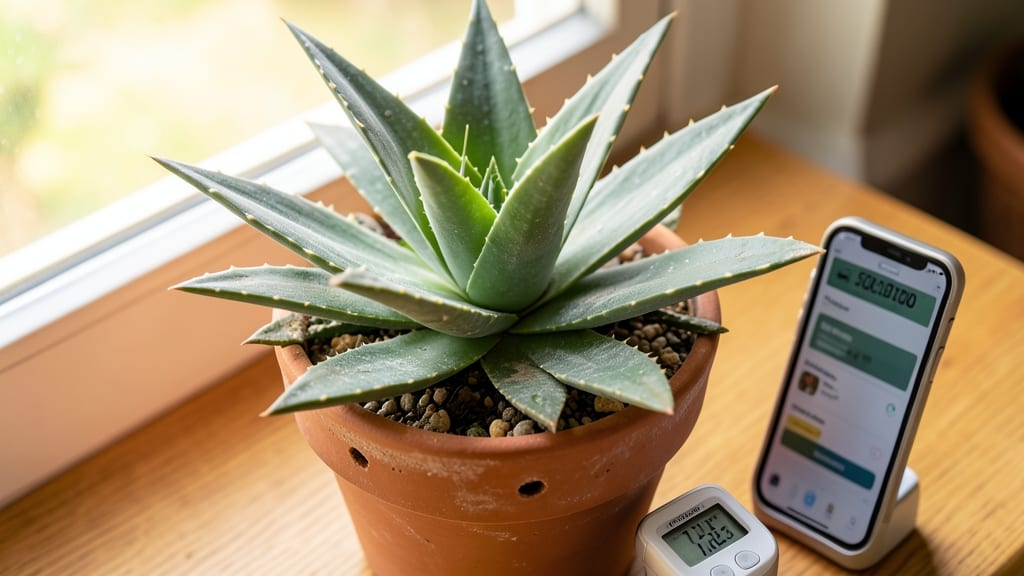
If your aloe plant 🌵 is looking sad—leggy, pale, or crispy at the edges—you’re probably guessing wrong about its light needs. The truth? Aloe thrives in bright conditions, but too much or too little sunlight can spell disaster for those plump, gel-packed leaves you love.
Most people assume aloe needs full sun all day, but the reality is more nuanced. While it loves 6+ hours of sunlight daily, direct afternoon rays can scorch its delicate skin.
I’ll break down exactly how much light your aloe needs—whether it’s basking on a windowsill or stretching toward a grow light indoors.
You’ll also learn to spot the warning signs: yellowing leaves mean it’s begging for more sun, while brown patches scream “burnt!” By the end, you’ll know how to adjust light exposure for a perfectly happy aloe—no guesswork required.
Ready to turn your struggling succulent into a thriving powerhouse? Let’s dive into the sunlight rules that keep aloe plants strong, healthy, and ready for harvest.


Ideal sunlight requirements for aloe vera growth
Aloe plants thrive under bright, direct sunlight, making them perfect for sunny windowsills or outdoor gardens. As a succulent, aloe vera has evolved to love 6 to 8 hours of sunlight daily, but it can tolerate slightly less in cooler climates.
The key is balancing enough light for photosynthesis while avoiding intense midday sunburn in hot regions.
In their native South African deserts, aloe plants receive full sun exposure year-round, but they’ve adapted to handle partial shade during extreme heat. If you notice your aloe’s leaves turning pale or translucent, it’s craving more light. Conversely, crispy, brown edges signal too much harsh sunlight.
For indoor aloe plants, position them near a south-facing window where they’ll receive the most consistent light. East or west windows work too, but you may need to rotate the pot weekly to ensure even growth.
Outdoor aloe plants should be placed in partial shade during peak summer hours (11 AM–3 PM) if your climate is scorching.
Seasonal adjustments are crucial. During winter months, when daylight is shorter, supplement with a grow light for 4–6 hours daily if natural light drops below 4 hours.
In summer, aloe plants can handle full sun exposure, but watch for signs of stress like yellowing or wilting leaves.
| Light Condition | Daily Duration | Ideal For | Signs of Success |
|---|---|---|---|
| Full Sun | 6–8 hours | Outdoor gardens, south-facing windows | Thick, vibrant green leaves |
| Bright Indirect | 4–6 hours | East/west windows, indoor setups | Slow but steady growth |
| Partial Shade | 2–4 hours | Hot climates, shaded patios | Leggy growth, pale leaves |
| Low Light | <2 hours | North-facing windows, basements | Stretched, weak stems; yellow leaves |
Aloe plants use sunlight to produce chlorophyll for energy, but they also need proper water absorption to avoid sunburn. When light levels drop, their metabolic processes slow down, leading to pale or elongated leaves. To maximize growth, pair ample light with well-draining soil and infrequent watering.
If you’re growing aloe in a container, choose a pot with drainage holes and place it where it gets morning sun and afternoon shade. This mimics their natural habitat and reduces the risk of root rot from overwatering while still providing enough light for photosynthesis.
For outdoor aloe plants, mulch around the base with gravel or pebbles to reflect sunlight and keep roots cool. This trick helps prevent heat stress while ensuring they get the bright light they crave.
In urban environments, air pollution can reduce light penetration, so monitor your plant’s health closely.
Pro tip: Rotate your aloe plant quarter-turns every 2–3 weeks to ensure all sides get equal light exposure. This prevents lopsided growth and keeps the plant compact and healthy. Even a small adjustment can make a big difference in your aloe’s appearance and vigor.
Remember, aloe plants are resilient but not indestructible. While they can survive in lower light conditions, their growth will be slower, and they may become more susceptible to pests. Aim for at least 4 hours of direct sunlight daily to keep your aloe thriving year-round.
Ideal sunlight requirements for aloe vera growth
Aloe plants thrive under bright, direct sunlight, but they’re surprisingly adaptable. In their native desert environments, they’ve evolved to handle intense sun while conserving water.
For optimal growth, aim for 6 to 8 hours of sunlight daily. This mimics their natural habitat and ensures vibrant green leaves packed with healing gel.
If you’re growing aloe indoors near a window, prioritize a south-facing exposure for the strongest light. East or west windows work too, but your plant may grow taller and leggier if stretched toward the light.
Outdoor aloe plants in USDA Zone 6a or warmer can handle full sun exposure year-round, though summer afternoons may require slight shade to prevent sunburn.
| Light Condition | Sunlight Hours | Ideal Growth | Best For |
|---|---|---|---|
| Full Sun | 6–8 hours | Compact, thick leaves | Outdoor pots, desert gardens |
| Bright Indirect | 4–6 hours | Slower growth, leggy stems | East/west windows |
| Low Light | <2 hours | Pale, weak leaves | North-facing rooms |
During summer months, aloe plants can tolerate up to 10 hours of sunlight, but watch for brown patches or crispy edges—signs of sunburn. In winter, when daylight shortens, supplement with a grow light if indoors to maintain 6 hours of light.
This prevents stunted growth and ensures your aloe stays healthy year-round.
For outdoor aloe plants, position them where they get morning sun and afternoon shade during peak summer heat. This balance reduces stress while maximizing photosynthesis. If your aloe starts to lean or stretch, it’s craving more light—rotate the pot quarter-turns weekly to encourage even growth.
Remember, aloe plants are succulents, meaning they store water in their leaves. This adaptation allows them to thrive in bright, dry conditions. If you notice yellowing leaves or soft, mushy spots, it’s often a watering issue—not light.
Always prioritize well-draining soil and infrequent watering over adjusting light too drastically.
Pro tip: Test your aloe’s light needs by observing its leaf color and spacing. Healthy aloe leaves are thick, upright, and deep green. If they’re pale or stretched, move it closer to a brighter spot.
If they’re brown or crispy, provide afternoon shade. Your aloe will thank you with plump, gel-rich leaves!