
Plants
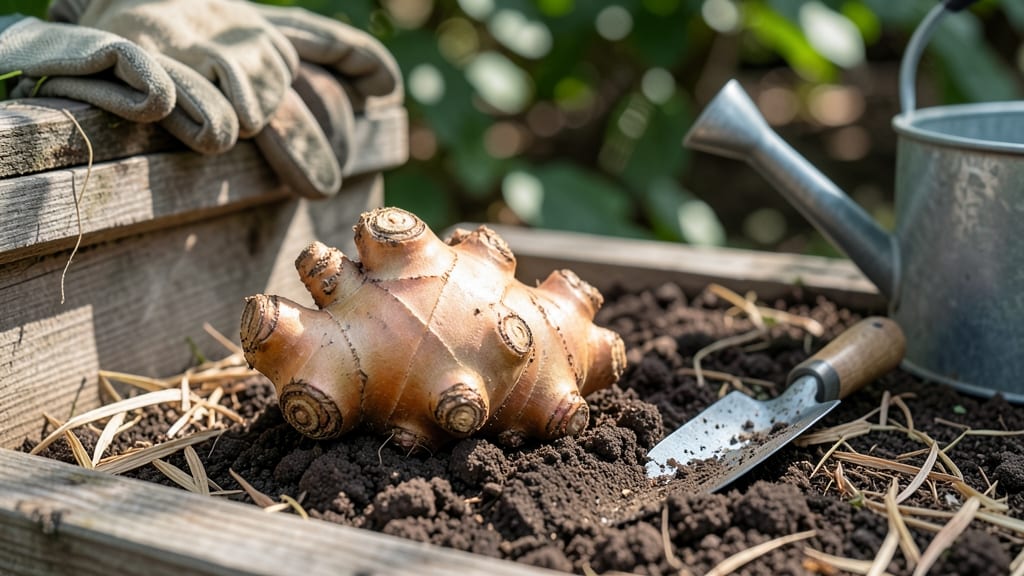
Planting ginger in California might seem tricky with its wild climate swings, but getting the timing right could mean the difference between a thriving 🌿 ginger patch and a sad, wilted disappointment.
Whether you're in the foggy coastal regions or the sunbaked inland valleys, the key is understanding your microclimate. Coastal gardeners can start as early as February, while inland growers should wait until April to avoid frost surprises.
This isn't just about months—it's about matching your ginger's needs with your local growing conditions.
I've learned the hard way that ginger thrives best when planted during California's ideal window of late winter to early spring or fall. The secret? Preparing your soil right and giving your plants the perfect balance of shade and warmth.
Let me show you exactly how to time it for maximum flavor and yield.
From coastal fog to desert heat, we'll cover everything you need to know to grow bold, harvest-ready ginger. Whether you're a first-time gardener or a seasoned pro, these insights will help you avoid common mistakes and grow ginger like a local.
Optimal planting months for ginger in California: coastal vs inland timing secrets revealed
California’s microclimates create a puzzle for ginger growers. Coastal areas like San Francisco and Santa Barbara enjoy mild winters with no frost, while inland valleys like Sacramento and Fresno face cold snaps that can kill tender ginger plants.
Getting the timing right means the difference between a bountiful harvest and wasted effort.
Ginger thrives in warmth, needing soil temperatures above 60°F (15°C) to sprout. In coastal California, this happens as early as March, while inland areas wait until April or later.
The key is planting when your region’s last frost has passed—December 15 for inland zones and never for coastal gardens.
Here’s the golden window for planting ginger in California, broken down by region:
| Region | Best Planting Months | Soil Temp Requirement | Key Consideration |
|---|---|---|---|
| Coastal (San Francisco, Santa Barbara) | March–April | 60–70°F (15–21°C) | Humidity risks; use raised beds for drainage |
| Inland Valleys (Sacramento, Fresno) | April–May | 65–75°F (18–24°C) | Frost risk; mulch heavily for winter |
| Desert (Palm Springs, Joshua Tree) | September–October | 70–80°F (21–27°C) | Extreme heat; plant in shade cloth |
For coastal gardeners, I recommend starting ginger in late February under cloche protection if you’re eager for an early harvest. The foggy mornings can delay warming, so monitor soil temps with a soil thermometer—ginger rhizomes won’t sprout until they’re consistently above 60°F (15°C).
Inland growers should wait until mid-April to avoid late frosts. If you’re in Zone 9b (like Bakersfield), consider planting in containers so you can move them indoors during winter chills.
A 5-gallon pot works well for a single rhizome, giving you flexibility to protect it from cold snaps.
One pro tip I’ve learned from California growers: if you miss the spring window, you can plant ginger in fall (September–October) for a winter harvest. This works best in frost-free coastal areas where temperatures stay above 50°F (10°C).
Inland gardeners should avoid fall planting unless they’re using row covers or greenhouses.
Before planting, amend your soil with compost and a balanced fertilizer (10-10-10) to give ginger the nutrients it needs. Ginger loves rich, well-draining soil with a slightly acidic pH (6.0–7.0).
If your soil is clay-heavy (common in Central Valley), mix in perlite or sand to improve drainage—ginger hates soggy roots.
After planting, mulch heavily with straw or wood chips to retain moisture and regulate soil temperature. In coastal areas, this helps prevent fungal diseases from excess humidity, while inland gardens benefit from insulation against heat spikes.
Water deeply but infrequently, aiming for 1–2 inches of water per week, and always in the morning to reduce evaporation.
With the right timing and care, your ginger rhizomes will be ready for harvest in 10–12 months. Look for yellowing leaves and plump rhizomes—that’s your cue to dig them up for the most flavorful, aromatic ginger you’ve ever grown! 🌱
Optimal planting months for ginger in California: coastal vs inland timing secrets revealed
California’s microclimates create a puzzle for ginger growers. Coastal areas like San Francisco enjoy mild winters with no frost, while inland valleys like Sacramento face chilly nights that can damage tender ginger rhizomes. Getting the timing right means the difference between plump, flavorful rhizomes and stunted growth.
For coastal regions (USDA Zone 10), ginger thrives when planted in March–April, taking advantage of consistent warmth and humidity. Inland areas (Zone 9) should wait until April–May to avoid late spring frosts, which can kill young shoots.
Both regions benefit from a fall planting window in September–October for a harvest the following year.
| Region | Best Planting Window | Key Considerations | Soil Prep |
|---|---|---|---|
| Coastal (Zone 10) | March–April | No frost risk; high humidity | Well-draining, rich in organic matter |
| Inland (Zone 9) | April–May | Wait for soil >60°F; frost risk | Add compost; improve drainage |
| Both Regions | September–October | Fall harvest next year; milder temps | Test pH (5.5–6.5); amend if needed |
Ginger rhizomes need warm soil to sprout, so aim for 60°F+ soil temperatures.
Use a soil thermometer to check—coastal areas hit this mark by early March, while inland zones may need to wait until May. Partial shade is critical in hot inland areas to prevent leaf scorch, while coastal plants tolerate morning sun better.
Pro tip: Start ginger in containers if your garden has poor drainage or heavy clay soil. This gives you flexibility to move plants to shadier spots during summer heatwaves. Coastal gardeners can even grow ginger year-round with light mulching to retain moisture.
For urban growers, container planting works year-round. Use pots with drainage holes and a well-draining potting mix blended with compost. Place containers near east-facing windows or under dappled shade to mimic ideal light conditions. Harvest rhizomes 10–12 months after planting for the best flavor.
Remember: Ginger is a tropical perennial, but in California, it’s often grown as an annual due to frost risks. If you live in Zone 10 coastal areas, you can experiment with overwintering ginger by moving pots indoors before temperatures dip below 50°F.
This extends your harvest window dramatically.