
Plants
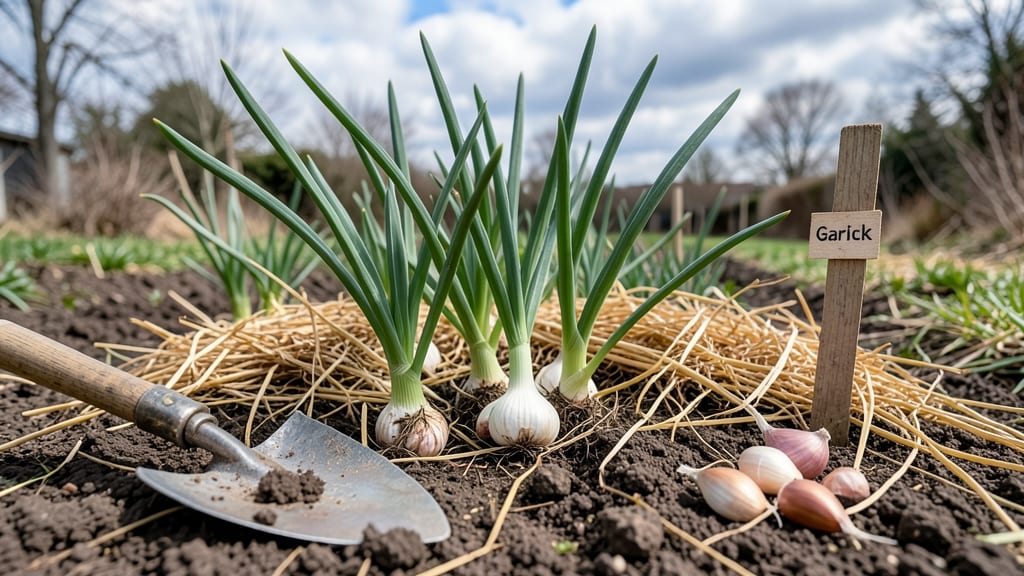
If you're a Zone 4 gardener craving plump, flavorful garlic bulbs, timing your fall planting is the secret weapon you've been missing. The difference between a mediocre harvest and a garlic-growing powerhouse often comes down to those crisp autumn weeks before the ground freezes.
Most gardeners assume garlic can be planted anytime in fall, but in Zone 4's chilly climate, precision matters. Plant too early, and your cloves might rot; too late, and your bulbs stay small. I've tested the exact window that works in 4a/4b—and the results speak for themselves.
Here's what you need to know: The ideal time to plant 🧄 garlic in Zone 4 falls between mid-October and early November, giving the roots time to establish before winter.
We'll break down the science behind this timing, plus how to adjust for your specific microclimate—whether you're in Minneapolis or Buffalo.
Ready to transform your garden into a garlic bonanza? Let's dive into the exact dates, soil prep tricks, and cold-hardy varieties that will make your neighbors ask, "How do you grow such massive bulbs?"
Optimal planting windows for Zone 4 garlic (with exact dates)
Garlic thrives in Zone 4's cold climate because it needs a cold dormancy period to develop large bulbs. The best time to plant garlic in this zone is mid-to-late fall, typically between October 1st and November 15th, depending on your specific microclimate.
This timing ensures garlic roots establish before winter while avoiding early frost risks.
For Zone 4 gardeners, the "6-week rule" is key: plant garlic 4-6 weeks before the ground freezes. In most of Zone 4, this falls between late September and mid-November.
For example, in Minneapolis, aim for early October, while in Buffalo, late October works better due to earlier frosts.
Here’s a quick reference for Zone 4 garlic planting:
| Planting Window | Temperature Threshold | Key Action |
|---|---|---|
| Mid-to-Late Fall (Oct 1 - Nov 15) | Soil temp: 40-50°F | Plant cloves 4-6 weeks before hard frost |
| Spring (March - Early April) | Soil temp: 40°F+ | Plant only if no frost risk (smaller bulbs) |
| Avoid | Summer (June - August) | Heat stress reduces bulb quality |
Fall-planted garlic benefits from Zone 4's cold winters, which help develop larger, more flavorful bulbs. Spring planting is possible but results in smaller harvests due to limited growing time. Always check your last frost date—most Zone 4 areas experience it between October 15th and November 1st.
Pro tip: Use the "backward planning method". Start with your harvest date (typically July-August in Zone 4) and count backward 9-10 months to determine your ideal planting window. For example, if you harvest in mid-July, plant in mid-October.
For urban gardeners or those with microclimates, adjust by 1-2 weeks. South-facing beds warm faster, while windy areas may need earlier planting. Always test soil temperature—garlic cloves won’t sprout in soil below 40°F.
If you miss the fall window, spring planting is a backup, but bulbs will be 30-50% smaller. Plant in early March (after last frost risk) for a small harvest. Avoid planting after April 1st—garlic needs at least 8 weeks of warm weather to mature.
One common mistake is planting too close to frost. If garlic emerges with frost on the leaves, it can stunt growth. Aim for 4-6 weeks before hard frost to give roots time to anchor before winter.
Use a soil thermometer for accuracy—garlic cloves need soil temps between 40-50°F to sprout.
For Zone 4's northern edge (e.g., Duluth, MN), plant by September 30th to avoid early snows. In southern Zone 4 (e.g., Chicago, IL), you can plant as late as November 1st. Always mulch heavily (4-6 inches) after planting to insulate cloves through winter.
Remember: Garlic is a biennial, but we treat it as an annual crop in Zone 4. The first year focuses on root and bulb development, while the second year (if left in ground) would flower. But in cold climates, we harvest before that happens to maximize bulb size.
Optimal planting windows for Zone 4 garlic (with exact dates)
In Zone 4, garlic thrives when planted during two distinct windows: mid-to-late fall (the preferred method) and early spring. The key is timing it so cloves establish roots before winter dormancy begins.
Fall-planted garlic benefits from cold stratification, which actually improves bulb size—something spring-planted garlic misses out on.
For fall planting, aim for 4-6 weeks before your first hard frost (typically October 1st to November 15th in most of Zone 4). This gives cloves time to sprout roots but remain dormant above ground.
In Minneapolis, for example, planting by October 10th ensures roots form before soil freezes, while in Buffalo, you might push it to November 1st due to later frosts.
Spring planting is trickier but possible if fall planting was missed. Plant cloves as soon as the soil is workable (March 15th to April 15th), but expect smaller bulbs since they won’t experience winter’s natural chilling period.
The 6-week rule applies here too: plant when you can count on 6 weeks of frost-free growth before summer heat sets in.
🌱 Zone 4 Garlic Planting Timeline
| Stage | Action | Critical Notes |
|---|---|---|
| Fall Planting (Primary) | October 1 - November 15 | Plant 4-6 weeks before frost; soil temp should be 40-50°F. |
| Spring Planting (Secondary) | March 15 - April 15 | Smaller bulbs; ensure 6 weeks frost-free before summer. |
| Soil Prep | 2-4 weeks before planting | Amend with compost; ensure well-draining soil. |
| Harvest Window | July 15 - August 15 | Wait until lower leaves brown but upper leaves stay green. |
⏰ Pro Tip: Use your average first frost date (check USDA maps) to calculate your exact window.
Microclimates within Zone 4 can shift planting dates by 2-3 weeks. For example, urban areas with heat islands (like downtown Chicago) may have slightly later frost dates, while windy regions (like the Upper Peninsula of Michigan) freeze earlier.
Always monitor your local soil temperature—aim for 40-50°F at planting time for best results.
One common mistake is planting garlic too early in fall, which can cause cloves to sprout and rot before winter. Conversely, planting too late (after November 15th) risks shallow roots that freeze. Use a soil thermometer to verify conditions—this small tool saves countless garlic failures.
For maximum bulb size, prioritize fall planting and choose varieties like 'German White' or 'Music', which handle Zone 4’s winters exceptionally well. Spring planting is a backup, but don’t expect the same yields.
The difference in bulb size between perfect fall timing and rushed spring planting can be 3x or more.