
Plants
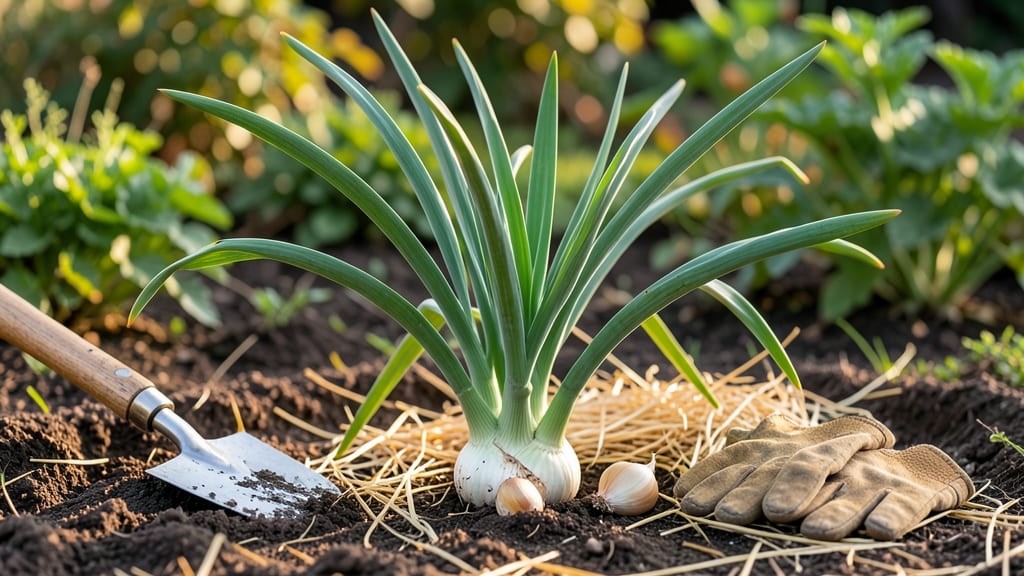
Timing your garlic planting in North Dakota isn’t just about getting cloves in the ground—it’s about outsmarting 30-below winters and frost that can turn your crop into a sad, frozen memory.
Miss that October deadline by even a week, and you risk bulbs that never mature or cloves that rot before harvest. The difference between success and failure often comes down to planting 4-6 weeks before the ground freezes, a window that’s narrower here than in warmer climates.
Hardneck garlic—North Dakota’s best bet for USDA Zones 3b-4b—needs cold to form those prized cloves, but too much too soon can be just as deadly.
I’ve seen gardeners in Fargo and Bismarck swear by their mid-September to early October routine, where the soil is still warm enough for roots to establish but cold snaps are just around the corner. Spring planting?
It’s possible, but you’re rolling the dice on a shorter growing season and weaker bulbs.
What makes this even trickier is North Dakota’s unpredictable frost dates. While the average first frost hits around September 20, Mother Nature doesn’t always follow the script.
That’s why I’ll walk you through how to read your local frost data, adjust for your specific county, and use mulch like a pro to protect your 🧄 garlic through the brutal winter. No more guesswork—just a foolproof plan to turn your garden into a hardneck garlic powerhouse.
Ready to stop second-guessing and start planting with confidence? Let’s break down the exact steps, from soil prep to mulching, so you can harvest plump, flavorful bulbs by mid-July—no matter how harsh the winter gets. Your future taste buds will thank you.
North Dakota’s exact October deadline for planting hardneck garlic
North Dakota’s USDA Zones 3b-4b create a tight window for planting hardneck garlic, but timing is everything. The ideal planting window spans from mid-September to early October, with a hard deadline of 4-6 weeks before the ground freezes.
In most of North Dakota, this means planting by October 15th—any later, and your cloves won’t root before winter sets in.
Hardneck garlic requires cold exposure to form bulbs, but it also can’t survive multiple freeze-thaw cycles once rooted. This delicate balance means your last planting date depends on your county’s frost date.
For example, Fargo (Zone 4a) typically sees its first hard frost around September 20th, while Bismarck (Zone 4b) holds off until October 5th.
To calculate your exact deadline, check your local frost data (NDSU Extension is a great resource) and subtract 6 weeks. For Zone 3b areas like Minot or Dickinson, this often lands in early October.
Planting after this window risks frost heave, where expanding ice pushes bulbs out of the soil, stunting growth.
Soil temperature is just as critical as air temperature. Garlic cloves need soil temps below 40°F (4°C) for 4-6 weeks to vernalize (a cold requirement for bulb formation). In North Dakota, this usually happens by mid-November, so planting too late means your garlic won’t get the cold it needs.
Miss the window entirely, and you’ll have to resort to spring planting (March-April), but this method yields smaller, softer bulbs because the plants miss their critical cold period. Spring-planted garlic also faces higher pest pressure from weeds and insects that emerge earlier in the season.
Here’s the golden rule: Plant garlic when soil temps are 40-50°F (4-10°C) and daytime highs are consistently below 70°F (21°C). This usually aligns with late September to early October in most of North Dakota. Use a soil thermometer to confirm—don’t guess!
🌱 North Dakota Garlic Planting Timeline
| Stage | Action | North Dakota Window |
|---|---|---|
| Soil Prep | Amend heavy clay with compost; test pH (6.0-7.0 ideal) | Mid-August to September |
| Clove Selection | Choose hardneck varieties (e.g., Purple Stripe, German White) | Late August |
| Planting | Plant 2 inches deep, 4-6 inches apart, pointed end up | Mid-Sept to Early Oct |
| Mulching | Apply 6+ inches of straw after first frost | Late Oct to Nov |
| Overwintering | Monitor for frost heave; add mulch if needed | Dec-Feb |
| Harvest | Dig when lower leaves brown, upper leaves green | Mid-July to Aug |
🌡️ Pro Tip: Use a soil thermometer to confirm 40-50°F soil temps before planting.
If you’re in western North Dakota (e.g., Williston), aim for early October planting—these areas freeze faster. In eastern regions like Grand Forks, you might squeeze in planting until October 20th. Always err on the earlier side; garlic grows slowly in cool soil.
One common mistake is waiting for frost to arrive before planting. By then, the ground may already be too cold for roots to establish. Instead, plant when soil is workable but air temps are dropping.
A quick trick: Press your finger into the soil—if it crumbles easily, it’s ready.
For reliable results, mark your calendar for September 20th as your earliest planting date and October 15th as your hard cutoff. Use this window to test multiple varieties—some hardnecks (like Music) handle North Dakota’s cold better than others.
Remember: No two North Dakota winters are alike. Use local weather data from the past 5 years to adjust your timeline. For example, if your area had an early frost in 2022 but a late one in 2023, average the dates to refine your schedule.
Once planted, your garlic will linger dormant until spring
How to prepare garlic cloves for North Dakota’s short growing season
North Dakota’s heavy clay soils and -30°F winters demand extra prep work before planting garlic. Start by selecting hardneck varieties like Purple Stripe or Artichoke, which thrive in Zone 3-4 climates. These varieties need a cold vernalization period to form bulbs properly, so timing and soil prep are critical.
First, harden your cloves for 2-3 weeks before planting. Store them in a cool, dark place (like a garage) to mimic winter conditions. This step ensures they’ll survive North Dakota’s freeze-thaw cycles without rotting. Avoid softneck varieties—they’re not cold-hardy enough for our winters.
Organic Mulch
- Pros: Improves soil fertility, retains moisture, natural decomposition
- Cons: Breaks down faster, may harbor pests, requires replenishing
Synthetic Mulch
- Pros: Long-lasting, suppresses weeds, consistent insulation
- Cons: No soil enrichment, can overheat soil in summer, less eco-friendly
Next, amend your soil with compost or aged manure to improve drainage. North Dakota’s clay soil can become waterlogged, leading to rotten cloves. Aim for a pH between 6.0 and 7.0—test your soil in early fall to adjust with lime or sulfur if needed.
A 2-inch layer of compost mixed into the top 6 inches of soil works best.
When planting, space cloves 4-6 inches apart in rows 12 inches apart. This spacing prevents crowding, which reduces bulb size and increases disease risk.
Plant the pointy end up and cover with 2 inches of soil. Water lightly to settle the soil, but avoid overwatering—garlic hates soggy conditions.
After planting, apply a 4-6 inch mulch layer of straw or leaves to insulate the soil. This protects cloves from frost heave and extreme temperature swings. In late winter, add a second mulch layer (2-3 inches) to shield against sub-zero winds.
Remove mulch in early spring once soil thaws to prevent rot.
Finally, label your garlic beds immediately—North Dakota’s snow cover can erase planting patterns by spring! Mark rows with stakes or flags so you can locate them after winter. With these prep steps, your garlic will survive the winter and produce plump, flavorful bulbs by July.