
Plants
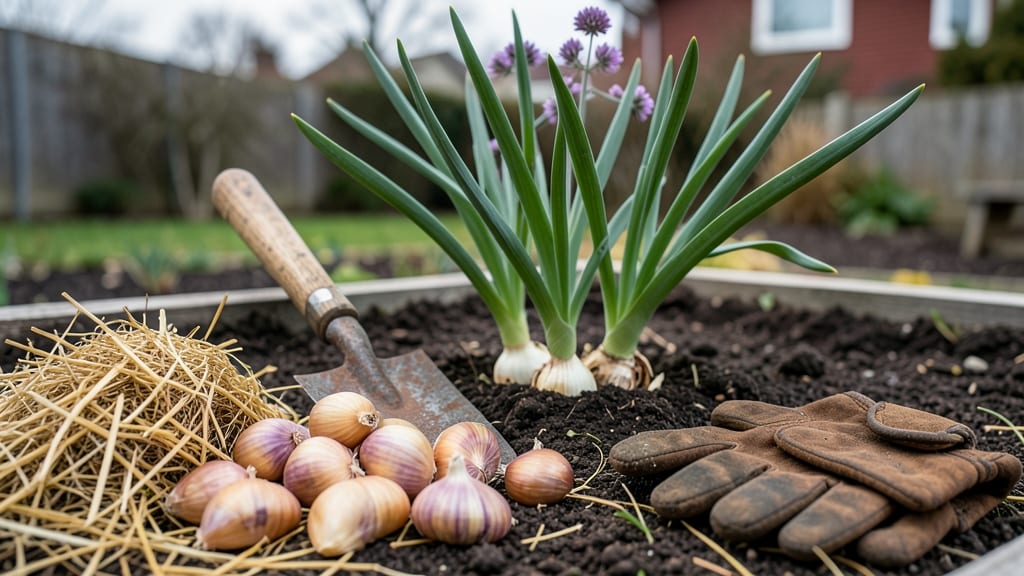
If you're dreaming of a bountiful 🧄 garlic harvest in Delaware, when to plant garlic in Delaware is the first step—and getting it wrong could mean tiny bulbs or no crop at all.
The key to growing hardneck garlic in USDA Zone 7a lies in planting during Delaware’s cool fall months, when the ground stays workable but frost is still on its way.
Most gardeners in Delaware swear by planting between October and November, but why? It’s all about giving your garlic the cold exposure it craves to form strong bulbs while avoiding the harshest winter freezes.
Coastal areas might need to adjust slightly, but the principle stays the same: plant early enough to let nature do the work.
I’ve seen firsthand how a well-timed fall planting can transform a modest garden into a garlic goldmine. Whether you’re a beginner or a seasoned gardener, mastering this window will set you up for success. Let’s break down exactly when—and how—to plant for the best results.
From soil prep to frost timing, I’ll walk you through every step to ensure your 🧄 garlic thrives in Delaware’s unique climate. Ready to grow garlic that’ll make your neighbors jealous? Let’s get started.
Delaware’s best planting window for hardneck garlic (with frost timing guide)
Delaware’s USDA Zone 7a/7b climate creates a perfect window for growing hardneck garlic, but timing is everything. Unlike softneck varieties, hardnecks need cold exposure to form bulbs. In Delaware, that means planting in fall—typically between mid-October and early November—to ensure enough chill before winter dormancy.
Hardneck garlic thrives when planted 4-6 weeks before the first hard frost. For Delaware, this usually lands in late October, but coastal areas like Rehoboth Beach may need an earlier start (early October) due to milder ocean-influenced temperatures.
Inland regions like Wilmington can wait until early November without risking frost damage.
Here’s the key: Your garlic needs 60-90 days of cold temperatures below 40°F to develop properly. Delaware’s average first frost date is around November 15, giving you a 6-week window to plant before the ground freezes solid.
Pro tip: Use Delaware’s frost data as your guide. Check the National Weather Service or local agricultural extensions for real-time updates. For example, in 2023, Wilmington’s first frost came November 10, while Dover saw it November 20—a 10-day difference that matters for planting.
If you miss fall planting, you can try spring planting (March), but yields will be 30-50% smaller due to lack of cold stratification. Spring-planted garlic grows more for greens than bulbs, making it a poor substitute for a full harvest.
| Stage | Action | Delaware Timing |
|---|---|---|
| Cold Stratification | Plant cloves 4-6 weeks before first frost | Mid-October to early November |
| Winter Dormancy | Ground stays frozen (no active growth) | December–February |
| Sprouting | Leaves emerge as soil warms | Late March–April |
| Bulb Development | Focus on sunlight and water | May–June |
| Harvest Ready | Lower leaves brown; tops flop | Late June–July |
Delaware’s coastal vs. inland split also affects planting. Coastal areas like Lewes or Cape Henlopen have milder winters (average lows of 28°F), while inland spots like Newark can drop to 20°F. If you’re near the coast, plant 2 weeks earlier to avoid salt spray damage from winter storms.
One common mistake? Waiting until November 15 or later. By then, the ground may freeze too quickly, leaving cloves exposed to heaving (when soil expands and pushes bulbs out of the ground). Always check soil temperature—it should be below 40°F but not frozen when planting.
For hardneck varieties, Delaware gardeners swear by ‘German White’ and ‘Music’ for their cold hardiness. These varieties handle Delaware’s USDA Zone 7a winters better than softer-necked types. If you’re in Zone 7b (southern Delaware), you can push planting to early December, but expect slightly smaller bulbs.
Remember: The earlier you plant in Delaware’s fall window, the larger your bulbs will be. But don’t rush—cloves need time to root before winter sets in. Aim for October 15–November 1 for the sweet spot between cold exposure and frost protection.
Delaware’s best planting window for hardneck garlic (with frost timing guide)
Delaware’s USDA Zone 7a/7b climate creates a perfect fall planting window for hardneck garlic, but timing is everything. The magic happens when you plant 4-6 weeks before the first frost, which typically lands in mid-October to early November across most of the state.
Coastal areas like Rehoboth Beach may need to plant slightly earlier—around late September to early October—due to milder winters.
Hardneck garlic requires cold exposure to form bulbs, but it can’t handle harsh winter freezes. Inland areas like Wilmington or Dover can push planting to early November, while coastal regions should aim for mid-October to avoid salt spray damage.
Think of it as a balance between cold and protection—just enough chill to trigger bulb development without risking frost heave.
Here’s the golden rule: Plant when soil temperatures drop to 50-60°F but before the ground freezes solid. This usually means October 15 to November 15 for most of Delaware.
If you miss this window, you can try spring planting, but yields will be 50-70% smaller because garlic won’t get the cold vernalization it needs.
🌱 Delaware Garlic Planting Timeline
| Stage | Action | Notes |
|---|---|---|
| Soil Prep | Test pH (6.0-7.0), amend with compost | Do in September |
| Planting Window | Mid-October to early November | Coastal: 2 weeks earlier |
| First Frost | Mid-November | Garlic should be planted before this |
| Harvest Ready | Late June to July | When lower leaves brown |
Pro tip: Use a soil thermometer to check temperatures. If your soil is still above 60°F in November, wait another week—warm soil can cause premature sprouting and weak bulbs.
And if you’re in a microclimate (like a sheltered garden bed), you might extend planting to early December, but don’t push it past the first hard frost.
I once planted garlic in late November in a sheltered spot, and while it survived, the bulbs were 30% smaller than my October plantings. The lesson? Don’t wait too long—even if the ground looks workable. Trust the frost date averages for your specific area, and you’ll be golden.
For extra insurance, mark your planting date on a calendar and set a reminder for late June to check for harvest readiness. That way, you’ll catch the garlic at its peak—when the lower leaves turn brown but the tops are still mostly green.
Timing isn’t just about planting; it’s about harvesting at the right moment too.