
Plants
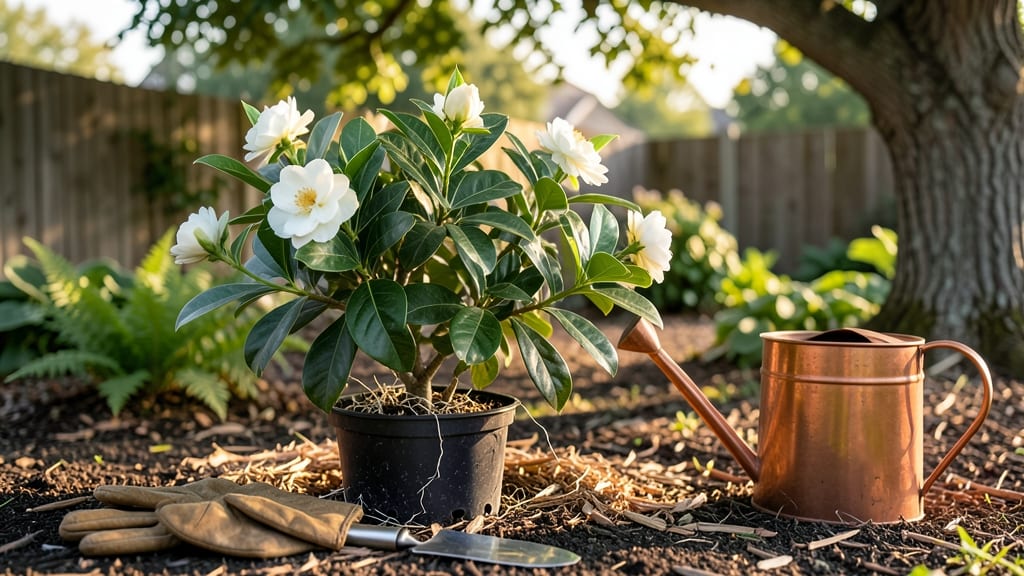
If you’ve ever planted gardenias in Texas only to watch them wilt under the summer sun or freeze in a surprise frost, you’re not alone. The key to success lies in planting them at the perfect moment—when soil warmth aligns with your region’s climate, not just the calendar.
Texas gardeners face a tricky balance: plant too early, and a late frost can kill your 🌱 gardenias before they take root. Too late, and the scorching heat stress will stunt their growth.
I’ve tested the best windows across North and South Texas, so you don’t have to guess—just follow the science-backed timeline I’m about to share.
Whether you’re planting bare-root or potted gardenias, container gardening in urban heat zones, or adjusting for microclimates, this guide breaks down the exact months to plant for zero-frost success. You’ll also learn how to spot the ideal conditions and avoid common pitfalls that turn thriving plants into sad, drooping shrubs.
Ready to transform your Texas garden into a fragrant haven? Let’s dive into the heat zone timeline that’ll have your gardenias blooming like never before.
Texas heat zones: best planting months by region (avoid frost & heat shock)
Texas spans USDA hardiness zones 7b through 10b, creating wildly different planting conditions. In North Texas (zones 7b-8a), gardenias need to wait until after the last frost date, typically mid-April to early May.
Meanwhile, South Texas (zones 9a-10b) can plant as early as February, but avoid extreme heat stress by finishing by late March.
Gardenias thrive when soil temperatures reach 60-65°F—use a soil thermometer to confirm. In East Texas (humid climate), plant 2-3 weeks earlier than West Texas to account for slower soil warming. Urban areas like Houston or Dallas often have microclimates that allow slightly earlier planting due to heat retention.
Here’s the critical timeline by region to avoid frost damage or heat shock:
| Region | USDA Zone | Best Planting Window | Soil Temp Goal | Avoid After |
|---|---|---|---|---|
| North Texas (Dallas/Fort Worth) | 7b-8a | Mid-April to early May | 60-65°F | June 1 (heat stress risk) |
| Central Texas (Austin/San Antonio) | 8a-8b | Late March to April | 60-65°F | May 15 (drought risk) |
| East Texas (Houston/Beaumont) | 8a-9a | February to early March | 60-65°F | April 1 (humidity stress) |
| South Texas (Corpus Christi/Brownsville) | 9a-10b | January to February | 60-65°F | March 15 (extreme heat) |
| West Texas (El Paso/Midland) | 8a-8b | Late April to May | 65-70°F (drier soil) | June 1 (arid heat) |
🌡️ Pro Tip: Use a soil thermometer to confirm readiness—gardenias won’t thrive in cold soil.
For bare-root gardenias, plant as soon as soil is workable—usually 2-3 weeks before the ideal window to allow root establishment. Potted gardenias can handle slightly later planting but need consistent moisture to prevent transplant shock.
In urban heat islands (like downtown Houston), soil warms 10-15 days earlier than rural areas.
Monitor your local National Weather Service for 10-day forecasts—if highs exceed 90°F after planting, provide afternoon shade for the first 2-3 weeks. Gardenias in South Texas (zones 9b-10b) can sometimes handle fall planting (September-October) to avoid summer heat, but growth will slow dramatically.
If you’re in transition zones (8a-8b), like Waco or College Station, err on the later side—gardenias planted in early April often suffer from late frost risks. Use mulch (3-4 inches) to insulate roots and extend the planting window by 1-2 weeks in cooler microclimates.
For container gardenias, you can push planting 2-4 weeks later than in-ground plants because pots warm up faster. However, containers also dry out quicker, so adjust your watering schedule accordingly.
In West Texas, where soil can be rocky or alkaline, amend with peat moss to improve moisture retention.
Remember: Gardenias hate soggy roots. If your region experiences
Signs your Texas gardenia planting timing is perfect (or disastrous)
Planting gardenias in Texas requires more than just picking a month—it’s about reading your soil, weather, and plant signals like a pro. Miss these cues, and your gardenia might wilt before it even blooms.
The key is planting when soil temperatures hit 65°F+, nighttime temps stay above 55°F, and your gardenia looks vigorous, not stressed.
Start by testing your soil warmth with a simple thermometer. Gardenias despise cold roots, so if your soil is still chilly in April (common in North Texas), wait another 2-3 weeks. A quick trick?
Press your finger into the soil—if it feels cool to the touch, it’s not ready. Your gardenia’s leaves will also tell the story: bright, dark green foliage means it’s happy and ready to plant.
🌱
⚠️ Warning: Planting Too Early or Late
Too Early: Frost-sensitive gardenias will crisp up if temps dip below 32°F. Even a light freeze can kill new growth.
Too Late: Planting after mid-May in most of Texas means your gardenia will face scorching heat and struggle to establish roots before summer’s peak.
Salvage Tip: If you plant late, mulch heavily and water deeply to shield roots from heat shock.
Watch the weather forecast for heatwaves before planting.
If highs are forecasted to hit 95°F+ within a week, delay planting until temps cool slightly—even 10°F difference can mean the difference between survival and struggle. Morning planting is ideal because it gives roots time to settle in before the afternoon sun intensifies.
Your gardenia’s first leaves after planting are critical. If they appear yellow or wilted within days, you’ve likely planted too late or in poor soil. Amend the area with organic matter (like compost) and fertilize lightly with a balanced formula (e.g., 10-10-10) to encourage recovery.
Conversely, dark green, glossy leaves mean you’ve nailed the timing!
Don’t ignore humidity levels, either. Gardenias thrive in 60-70% humidity, but Texas summers can drop below 40%.
If your area is dry, consider planting in a slightly shaded spot (e.g., near a tree canopy) to retain moisture until roots establish. Mulching with 2-3 inches of organic mulch will also help lock in moisture and regulate soil temperature.
Finally, trust your gut instinct. If your gardenia looks perky, smells fragrant (even slightly), and the soil feels warm to the touch, it’s time to plant. Skip the guesswork—your gardenia will thank you with lush blooms all summer long. 🌿