
Planting
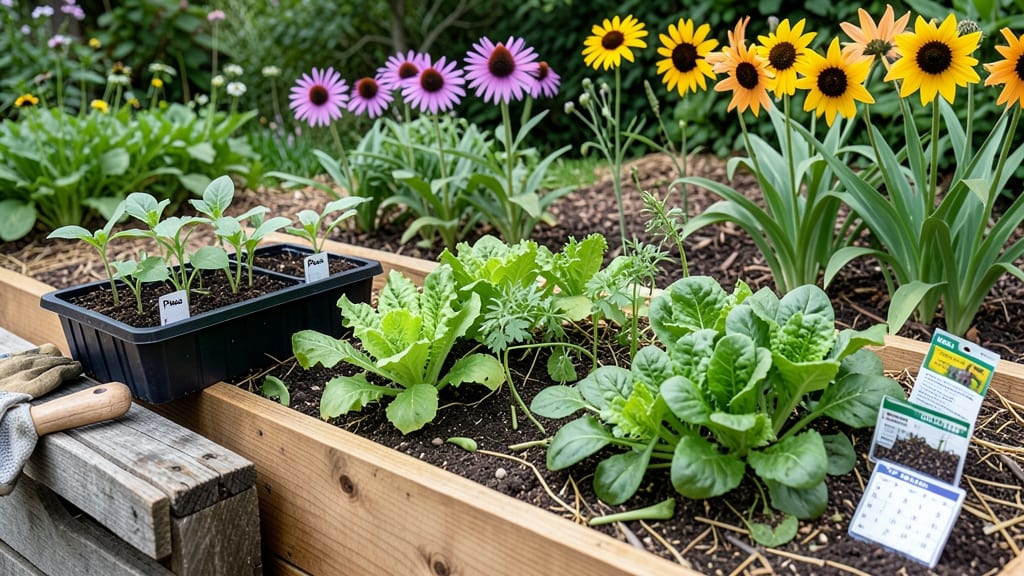
Timing your when to plant garden in Minnesota just right can turn a frost-killed disaster into a bountiful harvest—if you know the secrets of USDA Zone 4B. With 120-160 frost-free days and unpredictable swings from snow to 80°F in weeks, getting it wrong means wasted seeds and empty beds.
I’ve spent years tracking Minnesota’s last spring frost (as late as June 5 in Duluth) and first fall frost (as early as October 10 in Minneapolis), and the difference between a thriving garden and a sad one comes down to these exact windows: late April to mid-June for spring planting and August to early September for fall crops.
What you’ll discover here isn’t just a calendar—it’s a game-changer for extending your season, picking the right plants for your microclimate, and avoiding common mistakes that even experienced gardeners make.
Whether you’re a beginner or a veteran with a few failed attempts under your belt, these insights will help you plant with confidence.
From cool-season greens that love early starts to heat-loving tomatoes that need to go in after Memorial Day, we’ll break down the most important planting dates for Minnesota’s top vegetables, flowers, and herbs—plus how to protect your plants when Mother Nature throws a curveball.
Minnesota planting dates by frost zone: when to start seeds indoors vs outdoors
Minnesota’s USDA Zone 4B climate creates a tight window for planting—just 120-160 frost-free days in most regions. Missing your last spring frost (typically May 15 in Minneapolis or June 5 in Duluth) can mean lost crops.
Understanding these microclimates is key to success, whether you're growing cool-season crops like peas or warm-season favorites like tomatoes.
Your planting strategy depends on whether you're starting seeds indoors (4-6 weeks before last frost) or planting directly outdoors (after soil warms to 50°F). For example, spinach and kale can handle light frosts, while tomatoes and peppers need warm soil and air temperatures.
Let’s break down the critical planting windows for Minnesota’s most common regions.
For cool-season crops like lettuce, peas, and radishes, you can start planting as early as late March to early April under row covers or in a cold frame. These plants thrive in 40-65°F soil and can even tolerate light frosts.
In contrast, warm-season crops such as tomatoes, peppers, and cucumbers need to wait until after Memorial Day (around May 25) when soil temperatures consistently stay above 60°F.
Don’t forget about fall planting! Many crops like kale, spinach, and broccoli can be sown as late as early September in southern Minnesota or mid-August in northern regions. These cool-season crops will mature before the first fall frost, giving you a second harvest.
Use a planting calendar to track your progress and adjust based on your local frost dates.
If you’re new to Minnesota gardening, focus on fast-maturing varieties (like bush beans or radishes) to maximize your short season. These plants can go from seed to harvest in as little as 30-40 days, giving you flexibility if your growing season ends early.
For perennials and shrubs, plant in early spring (April) or fall (September) to establish roots before winter.
One common mistake is planting warm-season crops too early. Even if your seedlings look healthy, cold soil can stunt their growth. Use a soil thermometer to check temperatures—most warm-season plants need soil at least 60°F before transplanting.
For herbs like basil and cilantro, direct sow after the last frost, but be prepared to move containers indoors if a late frost threatens.
For gardeners in northern Minnesota, where frost dates are later, consider succession planting every 2-3 weeks to keep a steady harvest. This works especially well for leafy greens and radishes, which mature quickly.
In southern Minnesota, you can push the limits further by using black plastic mulch to warm soil faster and extend the season by 1-2 weeks on both ends.
Track your local frost dates using resources like the MN State Climatology Office or apps like Old Farmer’s Almanac. These tools provide hyper-localized data that can help you fine-tune your planting schedule.
Remember, even a 1-2 week difference in frost dates can mean the difference between a bountiful harvest and a failed crop.
Finally, keep a gardening journal to note when you plant and harvest each crop. Over time, you’ll learn how your specific microclimate affects growth, allowing you to adjust future planting dates for even better results.
With the right timing, you can make the most of Minnesota’s short but productive growing season!
Best vegetables to plant in Minnesota’s short season (ranked by success rate)
Minnesota’s short growing season demands smart choices—prioritize fast-maturing and cold-hardy vegetables to maximize your harvest. I’ve ranked the top 12 crops based on success rates, growth speed, and adaptability to USDA Zone 4B conditions.
Start with cool-season crops like peas and spinach in early spring, then transition to warm-season favorites such as zucchini and tomatoes after the last frost. For beginners, focus on low-maintenance varieties that thrive even with Minnesota’s unpredictable weather.
🌱
🌱 Top 12 Minnesota-Friendly Vegetables
- Peas – 30-60 days | Plant early spring (April–May) or late summer (August). Cold-tolerant and fast-growing.
- Spinach – 30-40 days | Sow March–April or August–September for fall harvests.
- Lettuce – 30-50 days | Direct-sow April–May or August for crisp leaves.
- Radishes – 25-30 days | Plant March–June or August–September for quick harvests.
- Kale – 50-60 days | Sow April–May or July–August; thrives in cool weather.
- Zucchini – 45-55 days | Transplant after last frost (late May–early June) for prolific yields.
- Tomatoes – 60-80 days | Start indoors in March, transplant after May 15 in most regions.
- Green Beans – 50-60 days | Plant late May–early June for bush varieties or pole beans.
- Cucumbers – 50-65 days | Sow after soil warms (late May) and use trellises to save space.
- Carrots – 60-70 days | Direct-sow April–May or July–August in loose, rocky-free soil.
- Potatoes – 90-120 days | Plant early spring (March–April) for harvests in July–August.
- Swiss Chard – 50-60 days | Sow March–June or August; cut-and-come-again harvests.
For maximum efficiency, pair fast growers like radishes with slower crops like tomatoes. Use succession planting for lettuce and spinach to ensure a continuous harvest throughout the season.
If you’re new to gardening, begin with radishes and bush beans—they’re forgiving, fast, and perfect for Minnesota’s unpredictable weather. For a bold flavor, try heirloom tomatoes like ‘Brandywine’ or ‘Cherokee Purple’—they’re worth the extra care!
🌿