
Plants
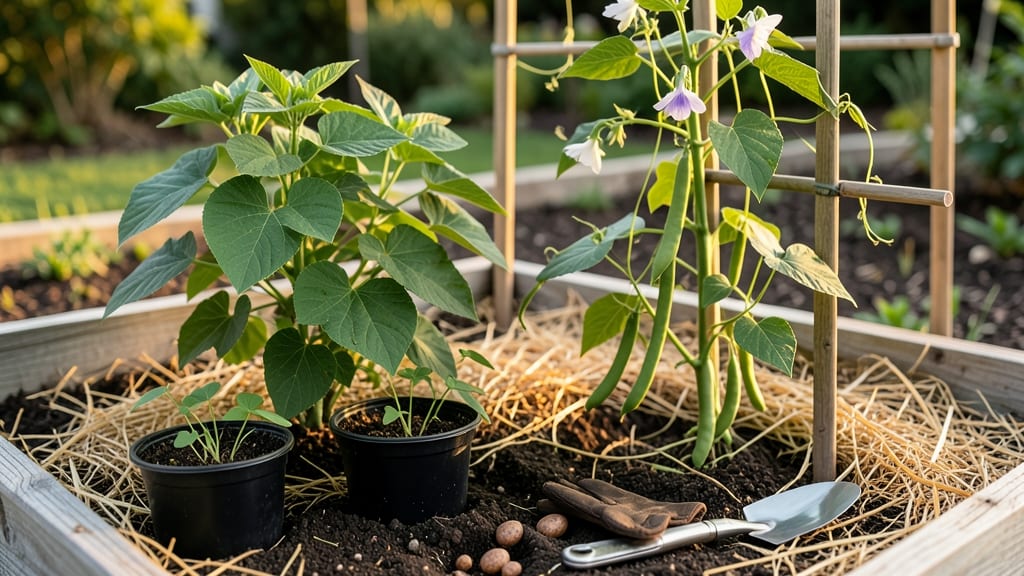
If you're wondering when to plant green beans in Oklahoma, timing is the secret ingredient to a garden bursting with fresh, crisp pods all season long.
With Oklahoma's USDA Zone 6b-8a climate, you've got two prime windows—spring and summer—but getting it wrong can mean frost-nipped seedlings or beans bolting in the heat.
For most Oklahoma gardeners, the ideal planting window opens in mid-April and stretches through early June, giving your 🌱 green beans time to mature before summer's intensity peaks. But don't stop there—late July to early August offers a second chance for a fall harvest when temperatures cool slightly.
What makes this even better? You can stretch your harvest by using a technique called succession planting, where you sow new seeds every 2-3 weeks after the first planting. This ensures a steady supply of beans from June through October, no matter where you are in the state.
Ready to grow a garden full of beans? I'll walk you through everything you need to know—from soil prep to avoiding common mistakes—to make sure your green beans thrive in Oklahoma's unique climate. Let's get started!
Best planting windows for green beans in Oklahoma (zone 7b)
Green beans thrive in Oklahoma's USDA Zone 7b climate when planted during two key windows: spring and summer. The last frost date typically falls between mid-March and early April, but don't rush—wait until soil temperatures consistently reach 60°F before planting.
This timing ensures strong germination and avoids frost damage to tender seedlings.
For spring planting, aim to sow seeds 2-3 weeks after your last frost date, usually between mid-April and early May. This gives your beans enough time to mature before Oklahoma's hot summer temperatures arrive.
If you're in northern Oklahoma, stick to the earlier end of this window, while southern regions can plant slightly later.
Here’s the critical comparison table breaking down your planting options:
Oklahoma's summer planting window (late July to early August) is perfect for extending your harvest into fall. This timing avoids the peak heat stress of July while still giving beans enough time to mature before the first frost in mid-October.
Choose heat-tolerant varieties like Contender or Kentucky Wonder for better success.
If you're planting in early June, focus on succession planting—sow seeds every 2 weeks to ensure a continuous harvest. This strategy works well for bush beans, which mature faster (50-55 days) than pole beans (60+ days).
Just be sure to provide adequate trellis support for pole varieties to thrive in Oklahoma's hot, dry summers.
For northern Oklahoma (e.g., Oklahoma City), aim for mid-April planting, while southern regions (e.g., Tulsa) can delay until early May. Always monitor local weather forecasts—unpredictable late spring frosts can still occur, especially in higher elevations. Use row covers if frost threatens after planting.
One pro tip: Test your soil's pH level before planting. Green beans prefer slightly acidic to neutral soil (pH 6.0-7.0). If your soil is too alkaline, amend it with peat moss or sulfur to create ideal growing conditions.
Well-drained, loamy soil with organic matter will give your beans the best start.
Finally, remember that Oklahoma's climate varies—what works in humid southeastern Oklahoma may differ from drier western regions. Adjust your planting dates based on microclimates in your area. With the right timing, you’ll enjoy a bountiful harvest of fresh, homegrown green beans all season long!
How to extend your green bean harvest season in Oklahoma
Oklahoma’s hot summers and unpredictable fall weather can limit your green bean harvest—but with the right strategies, you can enjoy fresh beans for months. The key is succession planting, which involves sowing seeds in staggered intervals to ensure a continuous supply.
This works especially well for bush beans and pole beans, both of which thrive in Oklahoma’s climate when planted at the right times.
Start your first planting in mid-April, once soil temperatures reach 60°F and the threat of frost has passed. Then, repeat plantings every 2-3 weeks until early July. This approach ensures you’ll have beans ready to harvest from June through September, even if the weather turns dry or hot.
For a late-season boost, try a second planting in late July—just be sure to choose heat-tolerant varieties like 'Blue Lake' or 'Kentucky Wonder'.
Another trick is using black plastic mulch to warm the soil faster in spring. Lay it down 1-2 weeks before planting to create a microclimate that speeds up germination. This is especially useful in northern Oklahoma, where cooler soils can delay growth.
Pair this with drip irrigation to keep moisture consistent, and your beans will thrive even in fluctuating temperatures.
If you’re in southern Oklahoma, where summers are longer and hotter, focus on shade cloth to protect plants from intense afternoon sun. A 30-50% shade cloth can lower soil temperatures by 10-15°F, reducing stress on young plants.
Combine this with companion planting—try pairing beans with radishes or marigolds to deter pests like Mexican bean beetles while improving soil health.
For a fall harvest, aim to plant seeds by mid-August. Choose cold-hardy varieties like 'Provider' or 'Tendergreen', which can tolerate cooler temperatures better than standard types. Use row covers in early fall to extend the growing season by 2-3 weeks, shielding plants from unexpected frosts.
With this method, you might still harvest beans into early October, depending on your location in Oklahoma.
Don’t overlook container gardening for small spaces or urban gardens. Plant dwarf varieties like 'Blue Lake Bush' in 5-gallon pots and place them on a patio or balcony with full sun.
This lets you control planting times more precisely, avoiding soil-borne diseases common in in-ground gardens. Just ensure pots have drainage holes and use a lightweight potting mix to prevent root rot.
Finally, keep a planting journal to track what works best in your specific microclimate. Note which varieties perform best, when you planted, and any pests or diseases you encountered. Over time, you’ll refine your strategy to maximize yields—whether you’re growing for fresh eating, canning, or freezing.
With these techniques, your green bean harvest can stretch from early summer to late fall in Oklahoma’s unique climate. 🌱🌿