
Plants
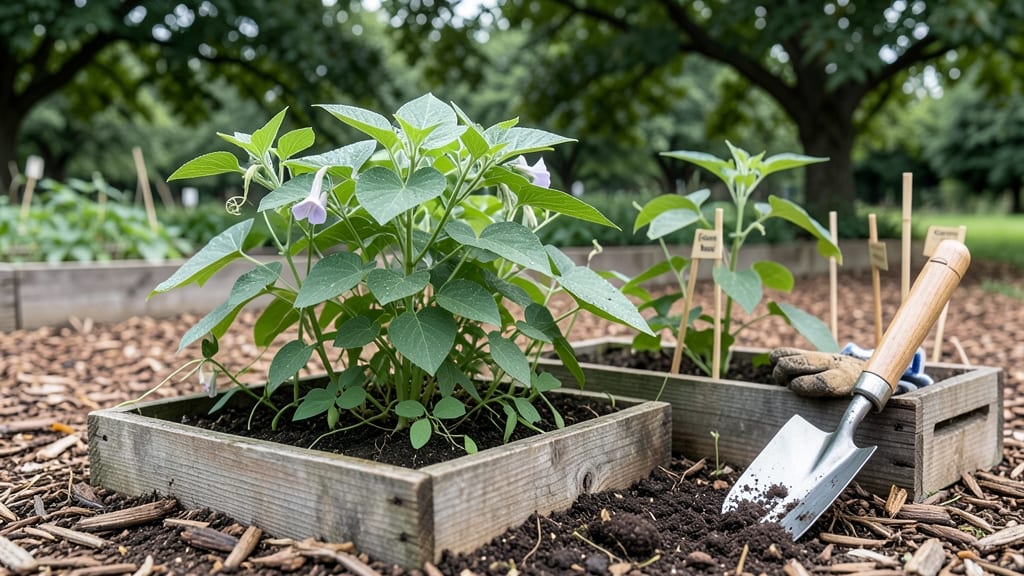
If you've ever planted green beans in Missouri only to watch frost nip them before they even sprout, you're not alone—and there's a simple timing secret to avoid this.
The perfect planting window for green beans in Missouri hinges on two critical factors: soil temperature and last frost dates, which can vary dramatically between St. Louis and Kansas City.
For most of Missouri's USDA zones 5b-6b, the ideal time to plant green beans is between April 15 and June 1 for spring harvests, followed by a second planting in July 15 to August 15 for fall production.
But here's the catch: waiting until the soil reaches 60°F is more important than following a calendar date—because cold soil can stall germination, leaving your plants vulnerable to late frosts.
This isn't just about avoiding frost damage—it's about maximizing your harvest. With the right timing, you can enjoy fresh green beans from June through September (spring plantings) and again from August to October (summer plantings).
Let me show you exactly how to nail those planting windows and extend your harvest season like a pro.
Whether you're a first-time gardener or a seasoned grower, these Missouri-specific tips will help you skip the guesswork. We'll cover everything from soil prep to succession planting, so you can enjoy a steady supply of homegrown green beans all season long—without the frost-related heartbreak.
Missouri green bean planting dates by region: frost-free timing guide
Missouri’s USDA zones 5b-7a create unique challenges for green bean planting, where late spring frosts can strike as late as April 15 in northern regions. But don’t let that scare you—with the right timing, you can grow bush beans and pole beans successfully across the state.
The key is understanding your local frost dates and using the 10-day rule for zero-risk planting.
Most Missouri gardeners plant green beans 2-3 weeks after the last frost date, but soil temperature matters more than calendar dates. For northern Missouri (USDA 5b), aim for April 20-May 1 planting, while central and southern regions (USDA 6a-7a) can start as early as April 1.
The 10-day rule means waiting 10 days after your average last frost before planting—this gives Mother Nature a buffer for those pesky late cold snaps.
Here’s how Missouri’s three major regions compare for green bean planting:
| Region | USDA Zone | Avg. Last Frost | Planting Window | Soil Temp Goal |
|---|---|---|---|---|
| Northern MO (St. Joseph, Kirksville) | 5b | April 15 | April 25-May 10 | 60°F+ |
| Central MO (Columbia, Jefferson City) | 6a | April 1 | April 10-April 25 | 60°F+ |
| Southern MO (Springfield, Poplar Bluff) | 7a | March 15 | March 25-April 15 | 60°F+ |
| St. Louis Metro | 6b | March 31 | April 10-April 25 | 60°F+ |
For St. Louis gardeners, this means you can often plant green beans as early as April 10, while northern Missourians should wait until late April or early May.
Pro tip: Check your local Cooperative Extension Service for updated frost data—Missouri’s climate shifts yearly, and microclimates (like urban heat islands) can push planting dates earlier.
If you’re unsure about your exact frost date, use the 10-day rule: Wait 10 days after your average last frost before planting. For example, if your last frost is April 1, plant around April 11.
This gives your green bean seeds time to germinate before any late frosts hit. Bush beans are slightly more frost-tolerant than pole beans, so you can plant them 3-5 days earlier if needed.
Missouri’s summer heat also affects planting—once soil temperatures exceed 85°F, germination slows dramatically. That’s why late July plantings (for a fall harvest) are ideal for southern Missouri, while northern regions should stick to early summer plantings only.
Always check soil temperature with a soil thermometer or by pressing your hand into the soil—if it feels warm but not hot, it’s likely in the 60-70°F range, perfect for planting.
Don’t forget about succession planting! For
Soil temperature and seed depth: the hidden factors that determine green bean success
Missouri’s soil temperature is the real game-changer when planting green beans—not just the calendar date. These heat-loving plants need soil to warm up to at least 60°F before germination begins. Cold soil slows growth, making your beans vulnerable to damping off or stunted development.
I’ve learned the hard way that planting too early, even after the last frost, can mean sad, wilted seedlings.
Most gardeners focus on frost dates, but soil warmth is just as critical. Use a simple soil thermometer (they’re cheap!) to check temperatures in the morning. If your soil is still below 60°F, wait another week.
This small step can mean the difference between a thriving garden and a disappointing failure. Pro tip: Dark-colored soil warms faster than light-colored soil, so consider adding compost to help retain heat.
Planting green beans in below-60°F soil causes:
- Slow or no germination (seeds rot instead of sprouting)
- Leggy, weak seedlings (stretching toward light)
- Higher risk of fungal diseases like damping off
Solution: Use black plastic mulch or wait for soil to warm naturally. Test with your hand—if it feels cooler than your wrist, delay planting.
Seed depth also plays a surprising role in success. Plant green beans about 1-2 inches deep, with seeds spaced 2-4 inches apart in rows. Deeper planting can lead to poor germination, while shallow planting risks drying out.
If you’re using bush beans, plant seeds 1 inch deep and 3-4 inches apart. For pole beans, go 1.5 inches deep and 4-6 inches apart—they’ll climb, so give them space to spread.
Another trick I swear by? Soak your seeds overnight before planting. This jumpstarts germination and ensures a faster, more uniform sprout. Just place them in a bowl of lukewarm water for 8-12 hours, then drain and plant.
This works especially well in Missouri’s cooler springs when soil warmth is inconsistent. Pair this with a light mulch (like straw) to keep moisture in and soil warm.
Watch for these red flags that your soil isn’t ready: seeds taking longer than 10-14 days to sprout, seedlings looking pale or leggy, or soil feeling damp and cold to the touch.
If you see any of these, hold off and let Mother Nature warm things up. Patience now means a bountiful harvest later—trust me, it’s worth the wait!
Once your soil hits that 60°F sweet spot and your seeds are planted at the right depth, your green beans will shoot up faster than you can say “bushel basket.” Keep an eye on those soil temps, and you’ll be picking fresh pods in no time—no frost-related disappointments in sight!