
Planting
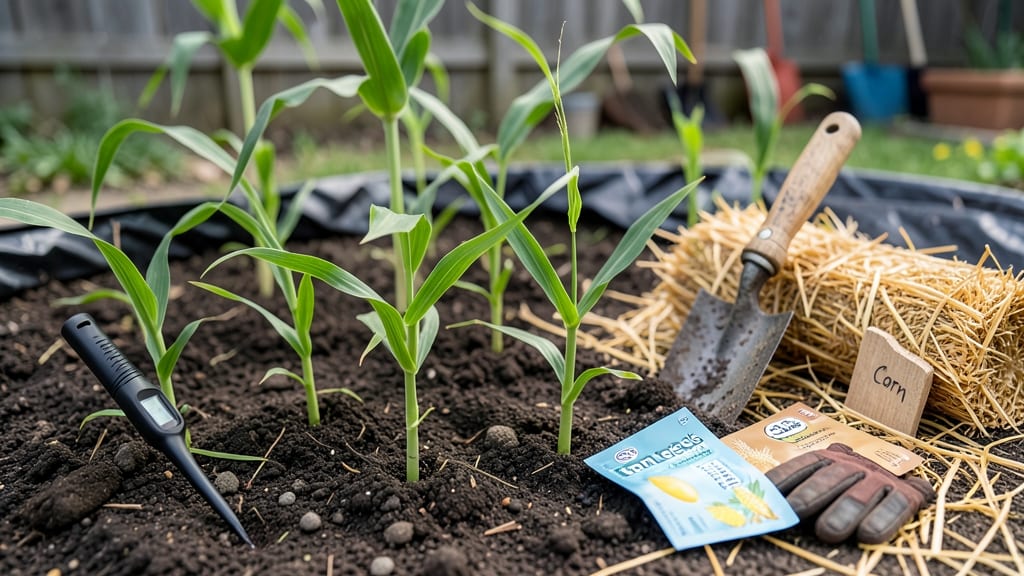
When to plant a garden in Iowa isn't just about following a calendar—it's about avoiding frost's cruel twist and maximizing your harvest before the first chill sets in.
With USDA Zones 4b-5b shaping the state's growing season, knowing when to plant can mean the difference between a thriving 🌱 and a failed crop.
Whether you're in the northern counties where frost lingers longer or the southern regions with slightly warmer springs, getting it right matters more than you might think.
I'll break down the exact planting windows for your county, from cool-season crops like lettuce to heat-loving tomatoes, so you can start strong and finish with a bounty. No more guessing games—just proven strategies for Iowa's unpredictable weather.
Let's dive into the key dates and tricks that will help your garden thrive, no matter where you are in the state. Your future harvest starts with the right timing.
Iowa’s county-by-county planting dates: frost-free zones explained
Iowa’s planting calendar isn’t one-size-fits-all—our state spans USDA Zones 4b through 5b, creating dramatic differences between northern counties like Floyd (Zone 4a) and southern areas like Davis (Zone 5a).
These variations mean your last spring frost could arrive weeks earlier in Sioux City than in Dubuque, making county-specific planning essential for success.
For most Iowans, the average last frost date falls between April 15 and May 15, but this shifts dramatically. Northern Iowa often sees frost lingering until May 20, while southern Iowa can be frost-free by April 10.
Understanding these patterns helps you choose between cold-hardy crops (like peas and spinach) and warm-season favorites (tomatoes, peppers) that need consistent warmth.
Here’s a quick reference for Iowa’s three key frost-free zones:
| County Zone | Avg. Last Frost | Safe Planting Window | Warm-Season Crops |
|---|---|---|---|
| Northwest (e.g., Sioux, Lyon) | May 10–20 | After May 15 | Peppers, Tomatoes (late May) |
| Central (e.g., Polk, Story) | April 25–May 10 | After April 20 | Tomatoes, Cucumbers (early May) |
| Southeast (e.g., Scott, Muscatine) | April 10–20 | After April 5 | Peppers, Eggplants (late April) |
For cool-season crops like lettuce, spinach, and peas, you can plant as early as March 15 in southern Iowa or wait until April 1 in northern regions. These hardy plants tolerate light frosts, but direct sowing before soil warms to 40°F can stunt growth.
Use row covers to extend your planting window by 2–3 weeks if needed.
Warm-season crops—like tomatoes, peppers, and squash—require consistent soil temperatures above 60°F. In northern Iowa, this often means waiting until late May or early June, while southern Iowans can plant as early as mid-April under protective covers.
Always check Iowa State University’s frost data for your specific county, as microclimates (like urban heat islands) can shift dates by a week or more.
Pro tip: Start seeds indoors 6–8 weeks before your last frost date for warm-season crops. This gives seedlings a head start and allows you to transplant them safely after the frost risk passes. For cold-hardy crops, direct sowing is often better—it avoids transplant shock and encourages faster growth.
Iowa’s first fall frost typically arrives between September 20 and October 15, depending on the region. This means late-summer crops like beans, cucumbers, and zucchini should be planted by mid-July in northern counties and early July in southern areas.
For fall harvesting, prioritize fast-maturing varieties or use row covers to extend your season by 3–4 weeks.
Remember: Soil temperature matters more than air temperature. Use a soil thermometer to confirm readiness—50°F for cool-season crops and 60°F+ for warm-season plants. This simple tool can save you from planting too early and risking frost damage.
For real-time updates, bookmark the Iowa Environmental Mesonet or check Iowa State Extension’s planting calendar. These resources provide hyperlocal frost predictions and adjust for Iowa’s notorious weather swings—because in our state, timing isn’t just about dates; it’s about strategy. 🌱
How to adjust planting times for Iowa’s unpredictable weather patterns
Iowa’s spring weather can feel like a rollercoaster—one day it’s 60°F and sunny, the next it’s 30°F with frost warnings. To beat this unpredictability, I’ve learned to rely on soil temperature more than air temperature.
A soil thermometer ($10 at any garden center) is my secret weapon for knowing when it’s truly safe to plant.
For cool-season crops like spinach or kale, I wait until the soil hits 40°F—even if the air is warmer. Warm-season crops like tomatoes or peppers need soil at 60°F+ to thrive.
The Iowa State University Extension recommends using black plastic mulch to warm soil faster in cooler zones like USDA Zone 4b.
🌱 Pro Tips for Iowa’s Unpredictable Spring
- Use row covers to protect seedlings from late frosts (try floating row covers for $15 at Tractor Supply).
- Plant warm-season crops after Memorial Day in most of Iowa—Sioux City may need to wait until May 20, while Dubuque can start May 5.
- Try the 50-degree rule: Don’t plant until the 5-day forecast shows no nights below 50°F.
- Extend the season with cold frames or hoop houses to start seedlings 4-6 weeks earlier.
Another trick I swear by is the two-week rule. If you’re planting tomatoes or peppers, start them indoors 6-8 weeks before your last frost date, then transplant 2 weeks after the average last frost. This buffer gives you time to adjust if Mother Nature throws a curveball.
Don’t forget about microclimates—your garden might be warmer than your neighbor’s! South-facing slopes warm up faster, while low-lying areas stay colder longer. I’ve even seen 3-5°F differences just 50 feet apart in my own yard. Use this to your advantage by planting heat-lovers in sunny spots first.
For fall planting, aim for crops like radishes or spinach 6-8 weeks before the first frost (usually October 15 in most of Iowa). Check the Iowa Environmental Mesonet for real-time frost predictions—it’s saved my broccoli more than once!
Finally, keep a gardening journal to track what works each year. Note when you planted, how the weather behaved, and which crops thrived. Over time, you’ll develop your own Iowa-proof planting schedule that beats the odds every season. 🌱