
Planting
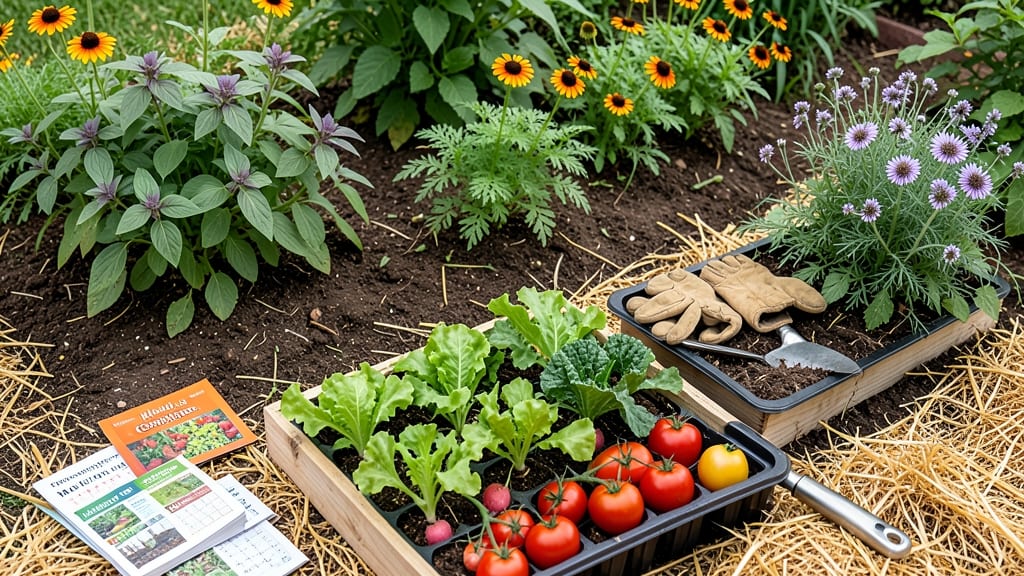
Timing your General Garden Plants 🌱 just right in Tennessee can mean the difference between a thriving harvest and wilted disappointment. With USDA zones 6a-7b and frost dates that shift dramatically from Nashville to Memphis, getting it wrong isn’t just frustrating—it’s a waste of time and resources.
Most gardeners in Tennessee know the basics—plant after last frost—but what you don’t know could cost you.
The ideal window for cool-season crops like lettuce and spinach starts as early as late February in the southern regions, while warm-season favorites like tomatoes and peppers demand soil temperatures of at least 60°F before they’ll even sprout.
In this guide, I’ll break down the exact deadlines for every major region, so you can avoid the common mistakes that leave gardens struggling. Whether you’re in the mountains or the Delta, you’ll find the precise timing that works for your microclimate—and the crops that thrive in it.
Ready to transform your garden from guesswork to guaranteed success? Let’s get started with the zone-specific planting schedule that’ll have your 🌱 flourishing all season long.
Tennessee’s planting zones & last frost dates by region (2024 guide)
Tennessee spans USDA zones 6b through 8a, creating dramatic differences in frost dates from the cool Appalachian Mountains to the warmer Delta lowlands. Knowing your exact last frost date is critical—planting too early risks frost damage, while waiting too long shortens your growing season.
Let’s break down the key regions and their 2024 planting deadlines.
In East Tennessee (zone 6b-7a), like Knoxville or Bristol, the average last frost falls between March 15-30. Meanwhile, Middle Tennessee (zone 7a-7b), including Nashville and Chattanooga, sees its last frost around March 20-April 5.
Down south in West Tennessee (zone 7b-8a), like Memphis or Jackson, you can plant warm-season crops as early as March 10-April 1.
First frost dates also vary: North Tennessee typically sees frost by October 20-November 5, while South Tennessee can extend the season until November 15-December 1. Microclimates—like valleys or urban heat islands—can shift these dates by 1-2 weeks, so always check local records.
🌱
| Region | USDA Zone | Last Frost Date | First Frost Date | Frost-Free Days |
|---|---|---|---|---|
| East TN (Knoxville) | 6b-7a | March 15-30 | October 20-Nov 5 | 180-200 |
| Middle TN (Nashville) | 7a-7b | March 20-April 5 | October 25-Nov 10 | 200-220 |
| West TN (Memphis) | 7b-8a | March 10-April 1 | November 15-Dec 1 | 220-240 |
For cool-season crops like lettuce or peas, plant 4-6 weeks before your last frost date. Warm-season crops, such as tomatoes and peppers, need to wait until soil temperatures hit 60°F+—usually 2 weeks after last frost.
In East Tennessee, that means holding off until April 15, while West Tennessee gardeners can start by April 1.
Pro tip: Use row covers to extend your season by 2-4 weeks in cooler zones. In zone 6b, this can mean planting spinach in February instead of March. Always monitor soil temperature with a probe—it’s more reliable than air temperature for planting decisions.
If you’re in a high-elevation microclimate (like the Smoky Mountains), subtract 1-2 weeks from the frost dates above. Conversely, urban areas like Nashville’s downtown may see 5-7°F warmer microclimates, allowing earlier planting.
🌡️
To refine your planting window, check the NOAA frost maps or your local Cooperative Extension Service for 3-year averages. For example, the 2023 last frost in Chattanooga occurred on April 3, 2 weeks later than the average. Adjust your schedule accordingly—your garden’s success depends on these details!
Next, we’ll cover how to calculate your exact planting window using free tools, even if you’re unsure of your zone. Stay tuned!
How to calculate your local planting window (even if you’re not sure of your zone)
Figuring out the perfect time to plant in Tennessee doesn’t require memorizing every frost date—just a few simple steps. Start by identifying your USDA hardiness zone (most of Tennessee falls between 6b and 8a), but don’t stress if you’re unsure.
Even a rough estimate will help you avoid frost damage and maximize your garden’s potential.
Next, check your average last frost date for your area. In East Tennessee (e.g., Knoxville), this usually lands around mid-April, while West Tennessee (e.g., Memphis) sees its last frost closer to mid-March.
Use these dates as your baseline for planting cool-season crops like lettuce and broccoli—aim to sow them 4-6 weeks before your last frost.
Find Your Zone
Use the USDA Plant Hardiness Zone Map to pinpoint your exact zone. Tennessee spans 6b to 8a, but elevation and microclimates (like valleys or urban heat islands) can shift your zone by half a letter.
Check Frost Dates
Visit the Old Farmer’s Almanac or NOAA’s frost maps for your city’s average last frost date. Add 10-14 days to account for late frosts—better safe than sorry for warm-season crops like tomatoes!
Adjust for Microclimates
South-facing slopes warm up faster, while low-lying areas may frost later. If you’re near a lake or river, expect 1-2 weeks later for last frosts. Use a minimum thermometer to track your local patterns.
Use Soil Temperature
Warm-season crops (like peppers) need soil temps of at least 60°F. Check with a soil thermometer—if it’s cooler, wait or use black plastic mulch to warm the soil faster.
Pro tip: If you’re still unsure, start seeds indoors 6-8 weeks before your last frost. This gives you a head start and flexibility to transplant once outdoor conditions are safe.
For fall planting, work backward from your average first frost date (usually mid-October in East TN and mid-November in West TN).
Don’t let uncertainty stop you—even a rough estimate beats guessing! With these steps, you’ll know exactly when to plant for a bountiful, frost-free harvest in Tennessee’s unique climate. 🌱