
Flowers
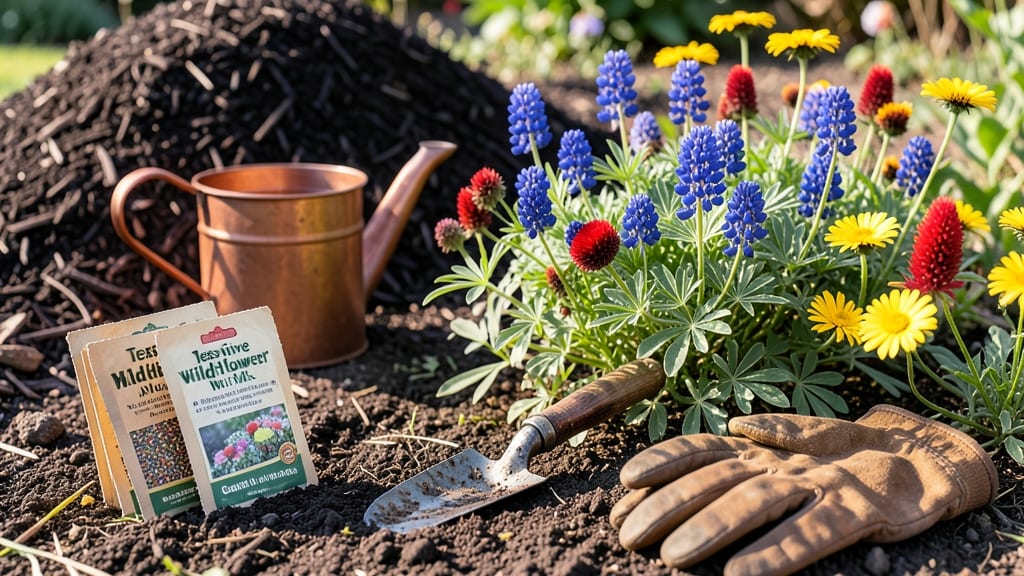
Timing your flowers planting in San Antonio isn’t just about luck—it’s about beating the heat and avoiding frost surprises. With 245 frost-free days and temperatures that swing from scorching summers to mild winters, knowing the perfect window makes all the difference for vibrant blooms.
Skip the guesswork and plant your 🌸 flowers when the conditions are ideal, whether you’re sowing annuals for instant color or perennials for long-term beauty.
This guide breaks down the best months to plant—from the cooler fall window to the strategic spring timing—so you can enjoy a garden that thrives year-round.
Whether you’re a seasoned gardener or just starting, the key is understanding how San Antonio’s USDA Zone 8a climate impacts your choices. Learn which flowers love the heat, which prefer cooler starts, and how to extend your blooming season without stress.
Ready to transform your yard? Let’s dive into the exact planting schedule that guarantees zero frost risk and maximum success for your flowers—no matter the season.
San Antonio’s heat zones explained: which flowers thrive in each
San Antonio’s USDA Hardiness Zones 8a-9a create a unique gardening challenge—where scorching summers (often exceeding 100°F) meet mild winters with rare frost. Understanding these zones helps you choose heat-tolerant flowers that thrive year-round while avoiding frost-sensitive varieties that’ll wilt in our 90+°F heat.
Most of San Antonio falls under Zone 8a, where average annual minimum temperatures range from 10°F to 15°F. This means last frost dates typically land around January 15, while first frosts arrive by December 15.
However, microclimates (like urban heat islands) can shift these dates by 2-3 weeks, so always check local forecasts.
Here’s how these zones impact your flower planting strategy:
Zone 8a (Most of San Antonio): Ideal for perennials like salvia, blackfoot daisy, and Mexican bush sage, which handle heat and brief cold snaps. Annuals like zinnias and marigolds also thrive here but need fall planting to avoid summer heat stress.
Zone 9a (Southern/Southern outskirts): Warmer year-round, this zone supports tropical flowers like plumbago, portulaca, and lantana. These plants bloom continuously if given full sun and well-draining soil, making them perfect for summer-long color.
Key takeaway: Fall planting (September–November) is your safest bet for zero-frost risk, while spring planting (February–March) works for heat-loving natives. Avoid planting tender annuals in April–May—they’ll bolting or wilting under 100°F+ heat.
| Zone | Avg. Min Temp | Best Flowers | Planting Window | Key Tip |
|---|---|---|---|---|
| 8a | 10°F–15°F | Salvia, Blackfoot Daisy, Zinnias, Marigolds | Sep–Nov (Fall) or Feb–Mar (Spring) | Mulch to retain moisture |
| 9a | 15°F–20°F | Lantana, Plumbago, Portulaca, Mexican Bush Sage | Year-round (avoid frost) | Full sun + drought-tolerant soil |
Native Texas wildflowers like bluebonnets and Indian paintbrush are perfect for Zone 8a-9a because they’ve evolved to handle our droughts and heat waves. These perennials often self-seed, meaning you’ll get free blooms for years with minimal effort.
For container gardening, opt for heat-tolerant annuals like geraniums or pentas. These thrive in small spaces and can be moved to shadier spots during peak summer heat. Just ensure your containers have drainage holes to prevent root rot from overwatering.
Pro tip: Use shade cloth (30–50%) for heat-sensitive flowers like impatiens during June–August. This extends their bloom time by 4–6 weeks without sacrificing vibrant colors.
Remember, soil temperature matters just as much as air temperature. Use a soil thermometer to confirm 60°F+ before planting spring flowers—cold soil can delay germination by weeks.
🌱
Best flowers to plant by month in San Antonio (with zero-frost guarantee)
Timing is everything in San Antonio’s USDA Zone 8a, where 100°F+ summers and unpredictable frosts can make or break your flower garden. The key? Planting when soil temps drop below 85°F in fall or waiting until 2-3 weeks after last frost in spring.
This ensures your heat-sensitive annuals and drought-tolerant perennials thrive without stress.
San Antonio’s 245 frost-free days create two prime planting windows: September–November (fall) and February–March (spring). Each month offers unique opportunities—whether you’re sowing cool-season bloomers or heat-loving powerhouses. Let’s break it down month by month to maximize your zero-frost-risk success.
🌱 Monthly Planting Guide for San Antonio
- 1 August: Start heat-tolerant annuals like lantana and portulaca in partial shade. Transplant tropical perennials (e.g., salvia) to avoid 100°F+ soil.
- 2 September: Best month! Plant cool-season annuals (e.g., zinnias, marigolds) and bulbs (e.g., daffodils) for spring blooms. Soil temps drop to 80°F.
- 3 October–November: Sow winter-blooming pansies and snapdragons. Plant perennials (e.g., black-eyed Susans) to establish roots before December rains.
- 4 February: Wait until last frost (Dec 15) + 2 weeks. Plant impatiens and petunias in morning sun to avoid heat stress.
- 5 March: Peak spring planting! Add roses, hydrangeas, and native wildflowers (e.g., bluebonnets) before April heat arrives.
Pro Tip: Mulch with 2–3 inches of compost after planting to retain moisture and regulate soil temps. 🌿
For extended blooms, stagger plantings every 2–3 weeks in fall and spring. For example, sow zinnias in September and again in October to enjoy flowers from November through March. This successive planting trick works wonders for heat-sensitive annuals like impatiens and coleus.
Native Texas wildflowers (e.g., Mexican feather grass, autumn sage) are your secret weapon—they’re drought-proof, low-maintenance, and thrive in San Antonio’s alkaline soil. Plant them in full sun from September–November for year-round color with minimal watering.
Remember: Spring-planted flowers (like roses) need consistent moisture as they establish roots, while fall-planted perennials (like coneflowers) benefit from winter rains. Adjust your watering schedule based on rainfall—San Antonio’s unpredictable weather can turn a dry spell into a downpour overnight.
By following this month-by-month calendar, you’ll avoid the #1 mistake in San Antonio gardening: planting heat-lovers too late or cool-season flowers too early. Your garden will reward you with nonstop blooms—from spring’s vibrant petunias to fall’s fiery salvias. 🌸