
Flowers
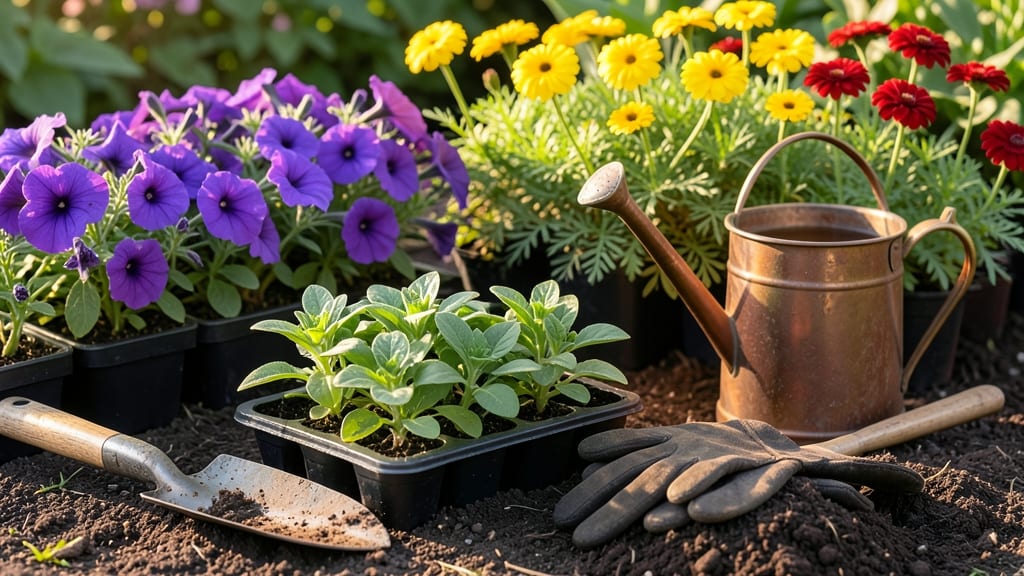
Timing your when to plant flowers in Portland, Oregon isn’t just about following a calendar—it’s about outsmarting the city’s quirky mix of coastal chill and inland warmth.
One week, your 🌸 might be basking in 60°F sunshine; the next, a surprise frost could sneak in, leaving your tender blooms confused (and wilting).
Here’s the secret: Portland’s USDA Zone 8a plays by its own rules, where coastal neighborhoods like Southwest Portland play it safer than inland spots near Sauvie Island. Miss the March–May window for spring bloomers, and you’ll spend summer chasing upstarts instead of admiring them.
But get it right, and you’ll have dahlias dancing by July and lavender lullabies through October.
I’ve spent years testing what works in this city’s clay-heavy soil and microclimates—from extending seasons with row covers to picking the perfect moment for fall bulbs. Ready to turn your garden into a year-round showstopper?
Let’s dive into the exact schedule that’ll keep your 🌸 thriving, no matter what Portland throws at you.
You’ll discover three critical planting windows (and why skipping them means sad, stunted stems), how to read Portland’s frost warnings like a pro, and which local flowers are tough enough to handle our mood swings. No more guesswork—just blooms.
Portland’s frost-free planting zones: when to start annuals and perennials
Portland’s USDA Zone 8a climate gives us a 165-day frost-free growing season, but the city’s microclimates create big differences between neighborhoods. Coastal areas like Sauvie Island stay warmer, while Southwest Portland can linger cooler. Knowing your zone helps you time annuals, perennials, and bulbs for maximum blooms.
For annual flowers like petunias and marigolds, start seeds indoors 6-8 weeks before your last frost (mid-February for most Portlanders). Transplant tender varieties like dahlias and geraniums only after April 15, when soil warms to 50°F (10°C).
Perennials like lavender and coneflowers thrive when planted in early spring or fall.
Bulbs are a Portland gardener’s secret weapon. Plant spring-blooming bulbs (tulips, daffodils) in October-November for winter dormancy, while fall-blooming bulbs (dahlias, cannas) go in April-May. The key? Well-draining soil—Portland’s clay-heavy dirt needs compost or sand amendments to prevent rot.
Here’s how Portland’s microclimates affect your planting schedule:
For perennials, timing matters too. Plant lavender and Russian sage in early spring (March-April) to establish roots before summer heat. Daylilies and peonies prefer fall planting (September-October) for winter dormancy. Always amend soil with compost—Portland’s clay can suffocate roots if left unmodified.
Pro tip: Use Portland Nursery’s frost date tracker (linked in our resources) for real-time updates. If you’re unsure, start seeds indoors in late winter—it buys you flexibility when outdoor conditions fluctuate. Just remember: cooler microclimates need later starts, while warmer areas can handle earlier plantings.
Fall planting (September-October) is ideal for cool-season annuals like pansies and sweet peas. These thrive in Portland’s mild autumns and often bloom until first frost (mid-October). For winter color, plant ornamental kale and cabbage in late summer—they handle frost beautifully.
Always water deeply after planting to encourage root growth. In Portland’s wet springs, avoid overwatering—well-draining soil is critical. Mulch with straw or wood chips to retain moisture and regulate soil temperature. This simple step can mean the difference between thriving blooms and leggy, weak plants.
For container gardening, follow the same rules but plant 1-2 weeks later—pots cool faster than in-ground beds. Use fast-draining potting mix with
Microclimate-specific planting calendar: coastal vs. inland Portland
Portland’s diverse geography creates distinct microclimates—coastal areas like Sauvie Island and St. Johns stay cooler and wetter, while inland neighborhoods like Hillsdale or Beaverton experience warmer, drier conditions.
These differences can shift your planting windows by 2-4 weeks, so knowing your zone is key to avoiding frost damage or missed blooms. For example, coastal gardeners can plant pansies as early as late February, while inland gardeners should wait until mid-March for the same results.
The last average frost date in Portland hovers around April 15, but coastal areas may see frost lingering until May 1. Inland spots often warm up faster, allowing for earlier planting of heat-loving flowers like dahlias or lavender.
To maximize your garden’s potential, align your planting schedule with your specific microclimate—this ensures your annuals thrive and your perennials establish strong roots before summer’s heat arrives.
| Plant Type | Coastal Portland (Zone 8a) | Inland Portland (Zone 8a/9) | Key Notes |
|---|---|---|---|
| Spring Bulbs (Tulips, Daffodils) | Plant September-October | Plant October-November | Cooler coastal soil speeds up bulb growth; inland areas benefit from later planting to avoid winter heaving. |
| Annuals (Petunias, Marigolds) | Start seeds indoors: Feb, transplant after April 15 | Start seeds indoors: March, transplant after April 1 | Inland soil warms faster, allowing earlier transplanting for heat-loving annuals. |
| Perennials (Lavender, Coneflowers) | Plant March-April or September | Plant April or September-October | Inland perennials need extra water in summer; coastal areas stay moister. |
| Fall Flowers (Pansies, Snapdragons) | Transplant August-September | Transplant September-October | Coastal areas can handle earlier planting; inland gardens risk heat stress. |
For coastal gardeners, focus on moisture-loving flowers like columbines or foxgloves, which thrive in the damp, cooler conditions. These varieties often bloom earlier in the season, giving you a head start on color.
Meanwhile, inland gardeners should prioritize drought-tolerant plants such as lavender, Russian sage, or blanket flower, which handle the drier, hotter summers with ease. Both microclimates benefit from succession planting—sowing seeds every 2-3 weeks ensures continuous blooms from spring through fall.
If you’re unsure about your microclimate, observe your garden’s behavior for a few seasons. Note when frost occurs, how quickly the soil warms in spring, and which plants thrive (or struggle) in your space.
Portland’s Oregon State University Extension Service offers free soil tests and localized planting guides—take advantage of these resources to fine-tune your schedule. With the right timing, you’ll enjoy longer blooming seasons and healthier plants, even in Portland’s ever-changing weather.
Don’t forget that Portland’s clay-heavy soil can slow down planting in spring. Amend your beds with compost or aged manure 4-6 weeks before planting to improve drainage and warmth. This prep work is especially critical for inland gardens, where soil can bake dry by early summer.
By aligning your planting schedule with your microclimate and preparing your soil in advance, you’ll set your flowers up for successful, vibrant growth all season long. 🌿