
Plants
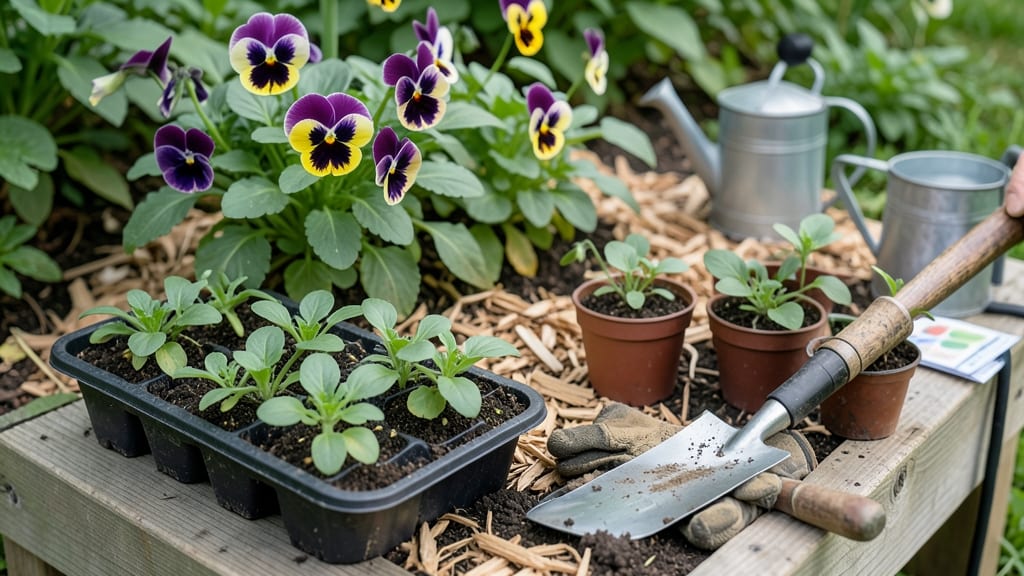
If you’re wondering when is the best time to plant pansies in Georgia, you’re not alone—many gardeners struggle with the timing, especially when unexpected frost or scorching heat turns vibrant blooms into sad, wilted remnants.
The best time to plant pansies in Georgia isn’t just about picking a month—it’s about reading your local microclimate like a pro.
Georgia’s 7b-8b zones mean your coastal plains, Piedmont hills, and mountain regions all have different frost-free windows. Plant too early, and your 🌸 pansies might get fried by summer heat; too late, and winter’s first frost could turn them into sad, brown blobs.
The secret? Timing it 4-6 weeks before the first frost—usually September-October for fall blooms or February-March for spring.
But here’s the twist: container gardening in Atlanta’s urban heat islands or in-ground planting in the cooler Appalachian foothills? Your approach changes.
I’ll break down the exact frost-free windows by region, soil prep tricks, and how to stretch those blooms from fall through spring—so you’re not left with a garden full of half-dead flowers.
Ready to turn your Georgia garden into a year-round pansy paradise? Let’s dive into the best planting strategies tailored to your corner of the Peach State.
Georgia’s optimal pansy planting months: frost-free windows by season
Planting pansies in Georgia requires timing precision—too early, and they’ll bolt in summer heat; too late, and frost will damage tender foliage.
The Peach State’s USDA Zones 7b-8b offer a 210-day frost-free window, but microclimates vary dramatically from the Coastal Plain (Zone 8a) to the Blue Ridge Mountains (Zone 7a). I’ve broken down the best months for planting by season, including temperature thresholds and frost risk analysis.
For fall planting, focus on September to early November—this gives pansies time to establish roots before winter. In spring, aim for February to early March to avoid late frosts. Container-grown pansies offer flexibility, but in-ground planting requires extra attention to soil temperature and moisture.
Here’s how Georgia’s three distinct regions affect planting windows:
| Region | Ideal Planting Window | First Frost Date | Soil Temp Threshold | Microclimate Tip |
|---|---|---|---|---|
| Coastal Plain (Zone 8a) | September 15 – October 31 | November 15 | 60–70°F (soil) | Humidity slows root growth—use raised beds. |
| Piedmont (Zone 7b) | September 1 – November 15 | November 1 | 55–65°F (soil) | Urban heat islands delay frost—monitor local forecasts. |
| Mountains (Zone 7a) | August 15 – October 15 | October 15 | 50–60°F (soil) | Higher elevations get earlier frosts—plant cold-hardy varieties. |
In September, soil temperatures in Georgia typically range from 70–80°F, perfect for pansy root establishment. I recommend planting 4–6 weeks before your area’s first frost date—for Atlanta (Zone 7b), that’s around October 15.
Use a soil thermometer to confirm readiness; pansies struggle in soils above 85°F.
For spring planting, aim for February to early March to avoid late-season frosts. In North Georgia, wait until March 15 to be safe, while South Georgia gardeners can plant as early as February 1. Always check the National Weather Service’s frost prediction maps for real-time updates.
Container planting extends your window by 2–4 weeks in both directions. Pots warm up faster in spring and cool down slower in fall, making them ideal for urban balconies or microclimate-sensitive areas. Just ensure containers have drainage holes and use a lightweight potting mix to prevent waterlogging.
If you miss the ideal windows, don’t despair! November planting is still viable in Zone 8a (Coastal Plain), where frosts are rare. In colder zones, opt for cold-hardy varieties like ‘Matrix’ or ‘Cool Wave’, which tolerate 20°F temperatures without damage.
Mulch heavily with straw or pine needles to insulate roots.
Pro tip: Succession planting every 3–4 weeks from September to November ensures continuous blooms. Start with 10–12 plants per square foot for dense color, thinning to 6–8 plants as they mature. In spring, replace spent pansies with new plants in March for a seamless transition.
Remember, Georgia’s variable humidity can stress pansies—water deeply once a week in fall and bi-weekly in winter to maintain even moisture. A 2–3 inch mulch layer helps retain soil moisture and regulate temperature swings.
🌸
How to extend pansy blooms in Georgia: seasonal care tips
Georgia’s variable microclimates—from humid Coastal Plain to cooler Mountain regions—can challenge pansies if you don’t adapt their care. The key to year-round color lies in seasonal adjustments, like mulching before winter or choosing cold-hardy varieties for late-winter planting.
Start with mulching in late fall (November) to insulate roots from freezing temperatures. Use 2-3 inches of straw or shredded leaves—this protects pansies down to 15°F, which covers most of Georgia’s USDA Zones 7b-8b.
For spring planting (February-March), focus on pruning spent blooms to encourage new growth. Deadhead weekly to prevent seed production, which drains energy from flower production. Pair this with a light fertilizer (5-10-10) every 4-6 weeks to boost vibrant blooms.