
Companion Plants
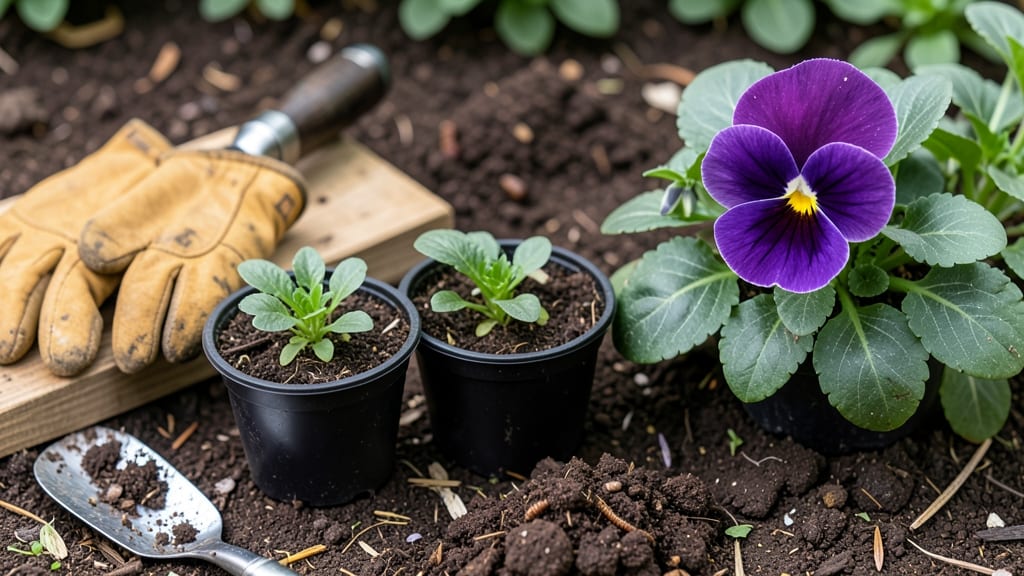
If you’ve ever stared at your garden calendar wondering "when can I plant pansies in the Northeast", you’re not alone—getting the timing right means the difference between a vibrant spring display and a sad, frost-bitten disappointment.
Pansies (🌸) thrive in cooler weather, but planting too early or too late can leave them struggling against unpredictable Northeast frosts.
The secret lies in two ideal windows: early spring (March–April) and early fall (August–September), when soil temps and daylight align perfectly for root establishment.
In zones 5–7, this means aiming for 4–6 weeks before your last frost—a strategy that keeps your garden bursting with color from spring through early summer.
But here’s the catch: Northeast gardens have quirks, like late frosts or heavy snow. I’ll show you how to read your local microclimate, choose the hardiest varieties, and even extend blooms through winter with simple tricks. No more guessing—just confident planting that turns your garden into a year-round showstopper.
Ready to transform your garden? Let’s dive into the exact weeks, soil prep, and care tips that’ll have your pansies flourishing when others fade—no frost damage in sight.
Northeast pansy planting timeline: weeks before first frost for optimal blooms
Planting pansies in the Northeast requires precise timing to beat frost and maximize their stunning spring and fall blooms. Unlike heat-loving flowers, pansies thrive in cool weather and can even handle light frosts once established.
The key is planting 4-8 weeks before your region's first frost, with two ideal windows: early spring and early fall.
For USDA zones 4-7 (which cover most of the Northeast), aim to plant pansies between March 15 and April 15 for spring or August 15 and September 15 for fall.
These dates give your pansies time to establish roots before winter sets in. In colder zones (like Zone 4), you might need to adjust slightly later to avoid early frosts.
The Northeast's variable climate means frost dates can shift yearly, so always check your local average first frost date. For example, Boston (Zone 6b) typically sees frost around October 15, while Buffalo (Zone 6a) might frost by October 1.
Planting too early in warm soil can stress seedlings, while planting too late risks frost damage before they bloom.
| Planting Window | USDA Zones | Weeks Before Frost | Soil Temp (°F) | Bloom Time |
|---|---|---|---|---|
| Early Spring | 4-7 | 4-6 weeks | 40-50°F | April-June |
| Late Summer | 5-7 | 6-8 weeks | 50-60°F | September-Nov |
| Fall (Cold Zones) | 4 | 8-10 weeks | 45-55°F | September-Frost |
Choosing the right pansy varieties also impacts your success. Cold-hardy types like 'Matrix' or 'Soraya' can survive 20°F temperatures, while 'Majestic Giant' varieties need slightly warmer conditions. For Zone 4 gardens, opt for heirloom pansies or Viola species, which are even more frost-tolerant.
To extend your pansy season, consider staggered planting. Start with fall-planted pansies in late August for early blooms, then add spring varieties in March to keep color going until summer.
This technique works especially well in Zone 6 and 7, where winters are milder. Just be sure to protect young plants with row covers or mulch during unexpected freezes.
One common mistake Northeast gardeners make is planting pansies too close to winter. If you wait until October or November, the plants may not establish roots before the ground freezes. Aim to have 4-6 weeks of root growth before the first hard frost hits.
For example, if your frost date is October 15, plant by September 1 to give roots time to settle.
For container gardening in the Northeast, timing is even more critical. Potted pansies can dry out faster and are more vulnerable to temperature swings. Plant them 2-3 weeks earlier than in-ground varieties to account for slower root establishment.
Use well-draining pots and move containers to protected spots (like against a south-facing wall) during cold snaps.
Don’t forget to prep your soil before planting. Pansies prefer rich, well-draining soil with a pH of 6.0-7.0. Amend your garden beds with compost or aged manure 2-3 weeks before planting to give nutrients time to integrate.
In heavy clay soils (common in parts of Pennsylvania and New York), mix in sand or perlite to improve drainage and prevent root rot.
By following these Northeast-specific planting windows, you’ll enjoy vibrant pansy blooms from early spring through late fall, even in the region’s unpredictable climate. The secret? Timing, soil prep, and variety selection—all tailored to your local frost dates.
With these strategies, your pansies will reward you with months of color, no matter where you garden in the Northeast.
Signs your Northeast garden is ready for pansies (and when to wait)
Pansies thrive when planted at the perfect moment—too early, and they’ll bolt in the heat; too late, and frost will nip them before they bloom. In the Northeast, soil temperature and daylight cues are your best indicators.
Aim for 45–55°F soil temps and 10–12 hours of daylight to trigger steady growth without stress.
Check your local frost dates (USDA Zones 4–7 average mid-October for first frost). Plant 6–8 weeks before this date for fall blooms, or 4–6 weeks before the last frost in spring (usually mid-April). Use a soil thermometer—pansies won’t germinate well in cold, damp soil.
Look for companion plants that signal safe conditions: spinach or lettuce sprouting in early spring means it’s time for pansies. In fall, kale or cabbage thriving in your garden confirms the soil is warm enough. Avoid planting when dahlias or canas are still flowering—this often means summer heat is lingering.
- Soil temp: 45–55°F (use a thermometer!)
- Daylight: 10–12 hours (spring/fall only)
- Companions: Spinach/kale thriving = safe to plant
- Avoid: Planting when marigolds still bloom (heat risk)
- Frost buffer: Wait until 3 weeks after last frost date
Microclimates matter! A south-facing bed warms faster than a north-facing corner. Test spots by placing a shallow dish of water overnight—if it’s not frozen by morning, pansies can handle it.
In Zone 4, wait until late May for spring planting; in Zone 7, early September is ideal for fall.
Watch for pansy varieties labeled as “hardy” or “winter-flowering”, like ‘Matrix’ or ‘Cool Wave’. These tolerate 20°F temps better than standard types. If your garden gets heavy snow, mulch with 2–3 inches of straw to protect roots. Overwatering before frost can drown plants—reduce watering as temps drop.
Don’t rush! If pansies are wilting or yellowing after planting, they’re too hot or dry. Wait for cool, overcast days to transplant seedlings. In the Northeast, September 15–October 15 is your sweet spot for fall color—just before chrysanthemums start shutting down for winter.