
Flowers
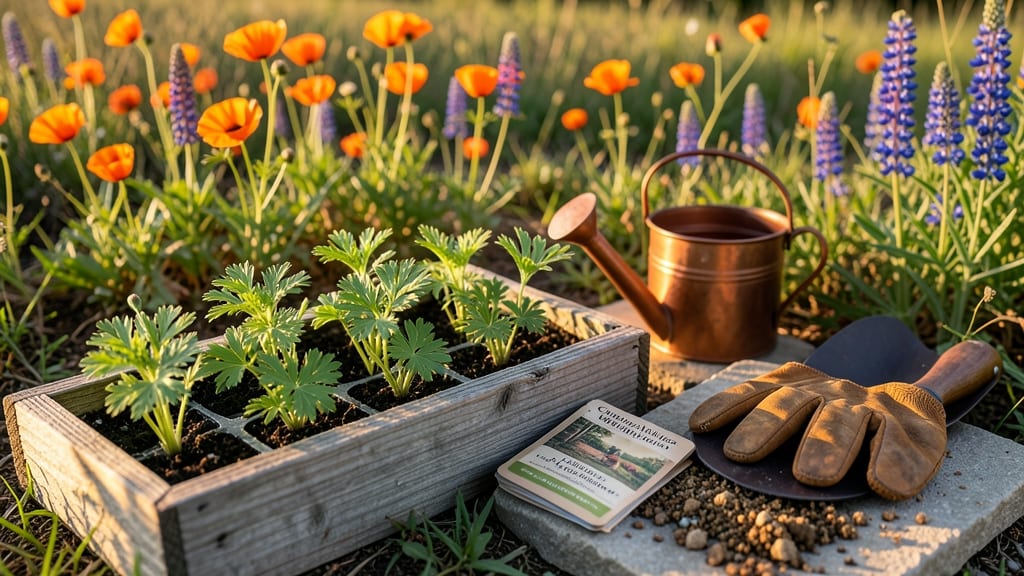
Timing your flowers planting in California wrong could mean wilting before they even bloom—especially when coastal fog clashes with desert heat. But here’s the secret: California’s microclimates let you enjoy vibrant blooms year-round if you plant at the right time.
From frost-free coastal gardens to high-desert heat, the ideal months shift dramatically. Whether you’re growing 🌸 annuals that love summer sun or perennials that thrive in milder winters, knowing when to plant means fewer wilts and more color.
Let’s break down the best times for each zone so you can start strong.
You don’t need a green thumb—just the right schedule. I’ll show you how to align planting with California’s unique seasons, whether you’re in Zone 7b or 10a. Plus, I’ll share pro tips to extend your bloom season and pick the toughest flowers for your microclimate.
Ready to turn your garden into a year-round paradise? Let’s get started with the exact months that work for your corner of California.
California’s best flower planting months by region (coastal vs. desert vs. valley)
California’s microclimates create a gardener’s paradise—but they also demand precision. The coastal fog belt (like San Francisco) stays mild year-round, while the Central Valley (Sacramento) swelters in summer and the desert (Palm Springs) bakes even hotter. Even within USDA Zones 7b-10a, frost dates vary wildly.
For example, Zone 7b (e.g., Fresno) gets frost until March 15, while Zone 10a (Los Angeles) never freezes. Let’s break down the ideal planting windows for your region.
Annuals like marigolds and petunias thrive when planted after the last frost, but perennials (e.g., lavender) need cooler soil to establish roots. Bulbs, like tulips, must go in 6-8 weeks before frost in cooler zones.
Meanwhile, heat-loving bougainvillea can’t handle winter chills—plant it only after April 15 in inland areas. The key? Match your flower type to your microclimate’s frost-free window.
🌱 Visual Guide: Planting Windows by Region
If you’re in Zone 10a (like Los Angeles or San Diego), you can plant cool-season flowers (e.g., pansies) as early as January and warm-season flowers (e.g., geraniums) in September.
But in Zone 7b (Central Valley), wait until after March 15 to avoid frost damage. Succession planting—like sowing basil every 2 weeks—keeps your garden blooming continuously.
For container gardening, timing shifts slightly. Potted petunias can go out in March in coastal areas but wait until May in the desert. Always check the back of seed packets for days to maturity—this tells you when to start seeds indoors vs. direct-sowing outdoors.
Pro tip: Hardening off seedlings (acclimating them to outdoor conditions) takes 7-10 days and prevents shock.
Native California poppies and matilija poppies are drought-tolerant and bloom best when planted in fall (Sept–Oct). They hate overwatering, so mimic their natural habitat with well-draining soil. Meanwhile, lavender needs full sun and poor soil—plant it in late winter (Jan–Feb) to establish roots before summer heat.
One common mistake? Planting tender annuals (like impatiens) too early in Zone 7b. They’ll bolt (go to seed) if exposed to 60°F+ nights before their time. Instead, wait until
How to extend your flower season: 3 pro tips for year-round blooms
California’s long growing season lets you enjoy flowers almost year-round, but cool coastal breezes and scorching desert heat can throw off timing. The key? Strategic planting that matches your microclimate. I’ve tested these tricks in my own garden—from foggy San Francisco to Palm Springs’ 110°F summers—and they work like magic.
First, divide your garden into cool-season and warm-season zones. Cool-loving flowers like pansies and snapdragons thrive in fall and winter, while marigolds and zinnias wait for spring and summer heat.
Plant them 6-8 weeks apart for nonstop color. This is called succession planting, and it’s your secret weapon.
Succession Planting
Plant cool-season flowers (e.g., calendula, stock) in September-October for winter blooms, then warm-season flowers (e.g., sunflowers, cosmos) in March-April for summer. Repeat every 6-8 weeks for continuous blooms.
Second, use shade cloth or row covers to shield delicate flowers from extreme heat or coastal winds. A 30-50% shade cloth can drop temperatures by 10-15°F, letting you plant tender annuals like petunias in July-August when they’d normally wilt.
I’ve even grown impatiens in full sun with this trick—just remove the cloth after 4 PM to avoid trapping heat.
Heat & Wind Protection
30% shade cloth for partial sun flowers (e.g., begonias), 50% for full sun (e.g., geraniums). Row covers work for windy coastal areas. Always secure edges to prevent heat buildup.
Finally, choose flowers with staggered bloom times. Mix early bloomers like tulips (plant in November) with mid-season dahlias (plant in March) and late-season chrysanthemums (plant in June).
This creates a natural cascade of color and hides gaps between plantings. My container gardens stay vibrant for 10+ months this way!
One common mistake? Overwatering in winter or underwatering in summer. Drip irrigation on a timer solves both problems. Set it for early morning in summer and late afternoon in winter to match evaporation rates.
And always mulch heavily—3-4 inches of straw or wood chips—to lock in moisture and regulate soil temps.
With these tricks, you’ll beat California’s climate and enjoy flowers year-round, even in the hottest deserts or foggiest coasts. Start with just one tip—like succession planting—and watch your garden transform. Happy growing!