
Flowers
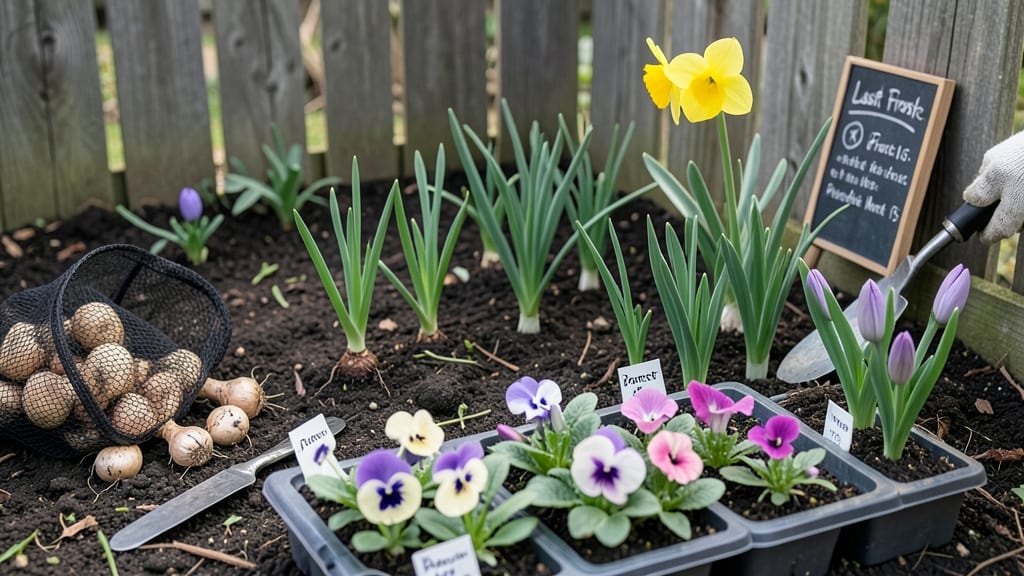
Knowing when to plant flowers in spring can make the difference between a garden bursting with color and one that never quite takes off.
In Zone 6a, where frost lingers until around April 15, timing is everything—plant too early, and your delicate 🌸 seedlings could become a sad, icy snack.
The key isn’t just waiting for the last frost date—it’s understanding your microclimate. Urban areas might warm up faster, while valleys stay colder longer. By adjusting your schedule based on soil temperature and local weather patterns, you’ll give your flowers the best shot at thriving.
In this guide, I’ll break down the exact windows for planting annuals and perennials, so you can avoid common mistakes like planting too soon or missing the sweet spot for vibrant blooms. Let’s turn your spring garden dreams into reality—without the guesswork.
Whether you’re a seasoned gardener or just starting, these insights will help you plant with confidence. Ready to transform your space into a floral paradise? Let’s get started.
Spring flower planting deadlines by USDA hardiness zones (with frost-free guarantees)
Spring planting success starts with knowing your USDA hardiness zone. These zones help you pinpoint the last average frost date in your area, which is your golden deadline for planting tender flowers.
For example, in Zone 3, you’ll wait until mid-May, while Zone 10 gardeners can plant as early as late February. Always check your local almanac or weather service for the most precise dates—these can vary by 1-2 weeks even within the same zone.
Annual flowers like marigolds and petunias need warmth to thrive, so plant them 2-3 weeks after your last frost date. Perennials like daylilies or black-eyed Susans are hardier and can often tolerate light frosts, but they still benefit from soil that’s warmed to at least 50°F (10°C).
Use a soil thermometer to confirm—cold soil can stall germination for weeks.
Cold-hardy flowers like pansies or snapdragons can handle light freezes and may even bloom earlier if planted 4-6 weeks before your last frost. However, tender varieties like geraniums or impatiens will wilt if exposed to 32°F (0°C) or below.
Always cross-reference your zone with the flower’s cold tolerance—this combo ensures your blooms survive and thrive.
| USDA Zone | Last Frost Date | Ideal Planting Window | Cold-Hardy Flowers | Tender Flowers |
|---|---|---|---|---|
| Zone 3-4 | Mid-May | Late May to early June | Pansies, Snapdragons, Sweet Alyssum | Petunias, Geraniums, Impatiens |
| Zone 5-6 | Early to mid-April | Late April to early May | Violas, Calendula, Stock | Marigolds, Zinnias, Dahlias |
| Zone 7-8 | Mid-March | Early March to early April | Primroses, Lupines, Columbine | Sunflowers, Cosmos, Begonias |
| Zone 9-10 | Late December to early February | January to March | Sweet Peas, Lilacs, Roses | Orchids, Hibiscus, Bougainvillea |
*Adjust dates based on microclimates (see next section).
Your local microclimate can shift your planting window by weeks. For instance, a south-facing slope warms up faster than a north-facing valley, while urban areas often experience heat islands that allow earlier planting.
To account for this, monitor your garden’s soil temperature for 3-5 days—if it’s consistently above 50°F (10°C), it’s safe to plant even if the almanac says otherwise.
Pro tip: Use row covers or cold frames to extend your season. These tools can protect tender seedlings from late frosts and let you plant 2-4 weeks earlier in cooler zones. Just remove them once daytime temperatures stay above 55°F (13°C) to avoid overheating your plants.
Don’t forget to harden off seedlings before transplanting. If you started flowers indoors, expose them to outdoor conditions gradually over 7-10 days. This process toughens their stems and leaves, reducing shock when you move them to the garden.
Skip this step, and you risk wilting or stunted growth—even if the timing is perfect.
For container gardening, timing is even more critical. Pots heat up faster than soil, so plant 1-2 weeks later than your zone’s deadline. If you’re in Zone 5 but using containers, wait until mid-May instead of early May.
Always choose well-draining pots and avoid placing them in full afternoon sun until after the last frost.
Finally, keep a planting journal to track your success. Note the exact dates you plant, any unexpected frosts, and how quickly flowers bloom. Over time, you’ll refine your timeline to match your garden’s unique conditions—no more guessing, just beautiful, reliable blooms every spring.
How to adjust planting dates for microclimates (urban, coastal, mountain, desert)
Your garden’s exact location matters more than your USDA zone when planting spring flowers. A microclimate—like a sunny city sidewalk or a foggy coastal bluff—can shift your ideal planting window by weeks. Understanding these variations ensures your flowers thrive without frost damage or heat stress.
For example, urban heat islands (like downtown areas) warm up faster, letting you plant 2-3 weeks earlier than official last frost dates. Meanwhile, mountain slopes stay colder longer, requiring you to wait 2+ weeks after the last frost before planting tender flowers.
🌿
To assess your microclimate, monitor your garden for 3-5 days using a soil thermometer and note: - Sun exposure (e.g., south-facing walls warm faster). - Wind patterns (valleys trap cold air). - Nearby water bodies (lakes or rivers delay frost).
Pro tip: Start seeds indoors 4-6 weeks before your adjusted outdoor planting date for heat-sensitive flowers like impatiens or begonias. This gives them a head start in unpredictable microclimates.
🌱