
Flowers
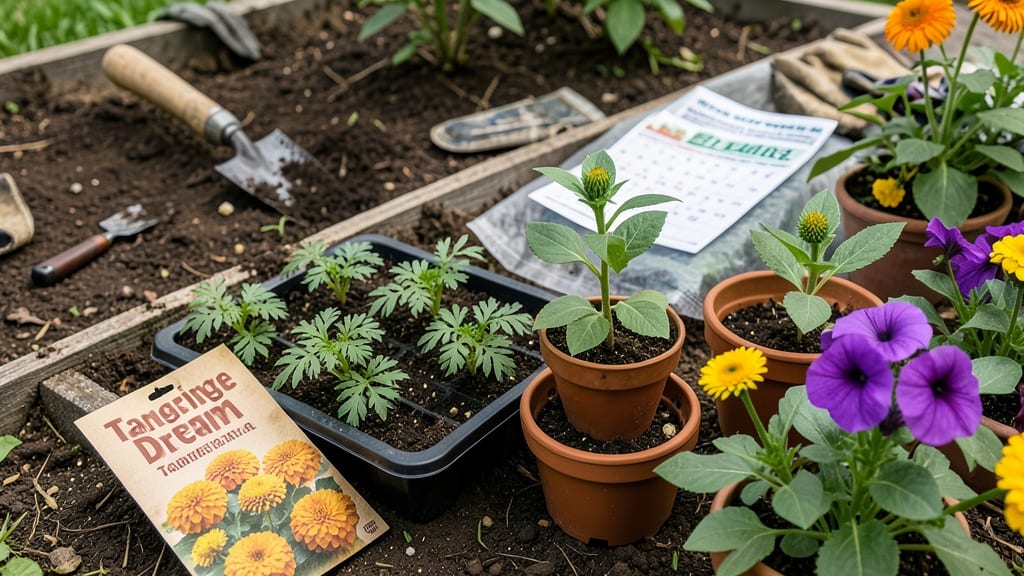
Timing when to plant flower seeds in Indiana just right means the difference between a vibrant garden and a sad, frost-nipped disappointment.
With Indiana’s USDA Zone 6a climate, you’ve got a narrow window to get those 🌸 seeds in the ground—too early and a late freeze wipes out your hard work, too late and you miss peak blooms.
Most gardeners in Indiana swear by planting cool-season flowers like pansies in early spring (March-April) or warm-season favorites like zinnias in late summer (August-September). But here’s the catch: your exact planting dates depend on whether you’re in northern Indiana’s cooler pockets or southern Indiana’s slightly warmer microclimates.
I’ll break down the exact frost-free deadlines by flower type—annuals vs. perennials—and show you how to adjust for Indiana’s unpredictable weather patterns. No more guessing whether your March 15 planting will survive or wither.
Ready to transform your backyard into a blooming paradise? Let’s dive into the science behind Indiana’s planting calendar and the 3 key rules every local gardener should know before sticking that first seed in the soil.
Indiana flower seed planting deadlines by last frost date
Indiana’s USDA Zones 5-6 mean your planting timeline depends on whether you’re in northern Indiana (Zone 5) or southern Indiana (Zone 6). The average last frost date ranges from April 15 (Zone 5) to April 22 (Zone 6), but microclimates can shift this by 1-2 weeks.
Always check your local Indiana State Climate Office for real-time updates—last year’s frost lingered until May 5 in northern counties!
For cool-season flowers like pansies and snapdragons, start seeds 4-6 weeks before your last frost date.
That means early March for Zone 6 and late February for Zone 5. Warm-season flowers like zinnias and sunflowers, however, can’t tolerate frost—wait until soil temperatures hit 60°F, typically mid-to-late May in most of Indiana.
Here’s the critical timeline for Indiana gardeners:
| Planting Window | Zone 5 (Northern IN) | Zone 6 (Southern IN) | Soil Temp Requirement |
|---|---|---|---|
| Cool-Season Flowers (Pansies, Sweet Peas) | Late February - Early March | Early March - Mid-March | 45-55°F |
| Warm-Season Flowers (Zinnias, Marigolds) | Mid-May - Early June | Late April - Early May | 60°F+ |
| Late Summer Succession Planting (Cosmos, Sunflowers) | Late July - Early August | Mid-July - Late July | 65°F+ |
Pro tip: Use biodegradable seed-starting pots for cool-season flowers to avoid transplant shock. If you’re in Zone 5a (northwest Indiana), err on the side of planting 2 weeks later—those late spring frosts can be brutal.
For Zone 6b (southern Indiana), you might even squeeze in a second planting of warm-season flowers in early August for fall blooms!
Don’t forget about Indiana’s lake-effect microclimates. Areas near Lake Michigan (like Gary or Michigan City) stay cooler longer, while urban heat islands (like downtown Indianapolis) warm up faster.
Adjust your timeline by 1-2 weeks based on your specific location. For example, Michigan City’s last frost often happens 10 days later than Lafayette’s.
If you’re starting seeds indoors, begin 6-8 weeks before transplanting outdoors. For Zone 5, that means mid-January for cool-season flowers and mid-March for warm-season flowers. Use a grow light to prevent leggy seedlings—Indiana’s short winter days won’t cut it for strong starts.
For perennial flowers like coneflowers or black-eyed Susans, plant seeds in early spring (April) or late summer (August). These hardy plants establish roots better when soil is warm but not scorching. Avoid planting in July’s heatwave—seedlings can bolt or dry out quickly.
Always test your soil temperature with a soil thermometer before planting warm-season flowers. If it’s below 60°F, wait—even if your neighbor’s garden is already blooming. Slow germination or poor root development will stunt your flowers’ growth, leaving you with smaller blooms and weaker stems.
Remember: Indiana’s first frost typically arrives between October 15 (Zone 6) and October 22 (Zone 5). If you’re growing tender annuals, have a plan to bring them indoors or harvest seeds before mid-October.
For perennials, let the first frost signal the end of the season—it helps toughen up stems for winter.
Best flowers to plant by Indiana season: cool vs. warm-season varieties
Indiana’s USDA Zones 5-6 create a perfect stage for both cool-season and warm-season flowers, but timing is everything. Planting the wrong flower at the wrong time means weak growth, poor blooms, or worse—wasted seeds. Let’s break down the best flowers for each season and how to get them thriving.
For cool-season flowers, like pansies and sweet peas, start seeds indoors 4-6 weeks before your average last frost date (typically March 15-30 in Indiana). These hardy blooms handle light frosts and even 32°F temperatures, making them ideal for early spring color.
Transplant them outdoors 2-3 weeks before the last frost for a head start.
Warm-season flowers, such as zinnias and sunflowers, need to wait until the soil warms to at least 60°F—usually after May 15 in most of Indiana. These heat-lovers thrive in summer’s long days and full sun, but planting too early risks stunted growth or rot from cold soil.
🌱 Top Cool-Season Flowers for Indiana
- Pansies: Germination: 7-14 days | Transplant: 4-6 weeks before last frost | Bloom Time: Early spring to frost
- Sweet Peas: Germination: 10-20 days | Transplant: After frost risk passes | Bloom Time: Late spring to summer
- Calendula: Germination: 5-10 days | Transplant: 2-3 weeks before last frost | Bloom Time: Spring to fall
- Snapdragons: Germination: 7-14 days | Transplant: 4-6 weeks before last frost | Bloom Time: Spring to early summer
- Lupines: Germination: 14-21 days | Transplant: Early spring or fall | Bloom Time: Late spring to summer
If you’re aiming for summer-long blooms, focus on warm-season annuals like marigolds, cosmos, and zinnias. These flowers love hot, sunny days and can handle Indiana’s summer heat with ease.
Start their seeds indoors 6-8 weeks before your last frost date (around March 1) or sow directly outdoors after May 15.
For late-summer planting, consider heat-tolerant varieties like sunflowers and celosia. These can be sown directly into the garden as late as July 1, giving you vibrant blooms well into fall.
Just be sure to keep them well-watered during dry spells, as their roots struggle to establish in hot, dry soil.
Pro tip: Use row covers or cold frames to extend your cool-season planting window by 2-4 weeks. This trick works wonders for delicate seedlings like lettuce or spinach, but it also protects early flowers from unexpected late frosts. Just remove the covers once nighttime temperatures stay above 40°F consistently.