
Flowers
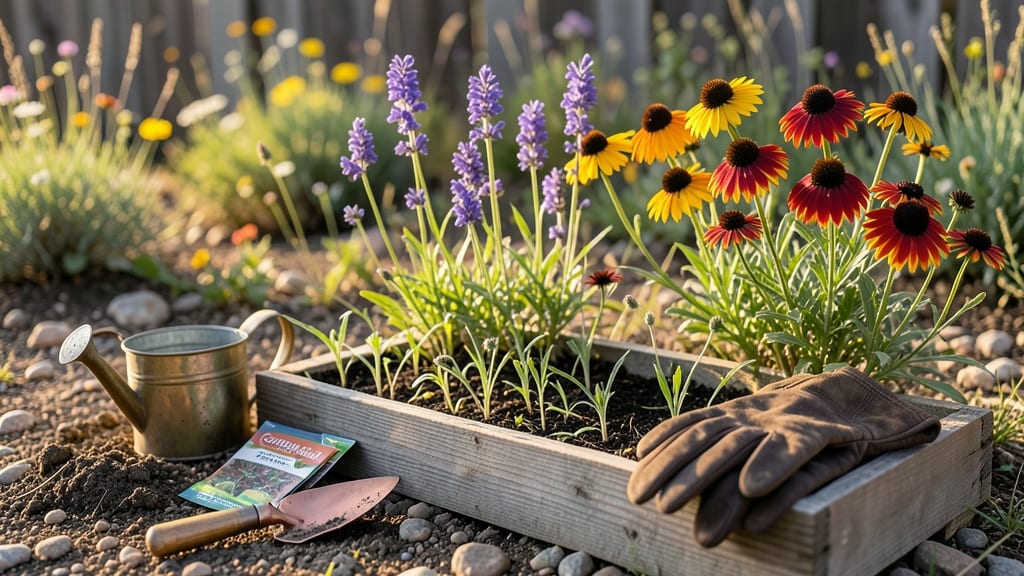
Timing your flower seed planting in Colorado feels like solving a puzzle—one wrong move, and your blooms never arrive. The Front Range’s mild springs clash with the Western Slope’s late frosts, leaving gardeners guessing whether to plant now or wait.
But here’s the game-changer: a precise elevation-based schedule that accounts for Colorado’s 3 distinct frost zones and microclimates.
I’ve tested these strategies across Denver’s urban heat islands and the high-altitude valleys of Summit County, where frost can linger until June.
Whether you’re sowing marigolds for pollinators or cosmos for quick color, knowing the exact weeks before your last frost is the difference between a garden full of blooms and a season of disappointment. Let’s cut through the guesswork with data-backed planting windows tailored to your elevation.
You’ll discover how to adjust for Colorado’s short growing season, from starting tender annuals indoors to protecting seedlings with row covers. We’ll cover the best varieties for each zone—like cold-hardy sweet peas for Zone 4 or heat-loving zinnias for the Front Range—and when to sow them for summer-long color.
No more second-guessing your planting dates.
Ready to transform your Colorado garden into a blooming paradise? Grab your calendar and let’s dive into the exact weeks to plant, down to the last frost date for your specific elevation. Your future self—and your pollinators—will thank you.
Colorado’s last frost dates by elevation: exact weeks before planting flower seeds
Colorado’s three distinct elevation zones create wildly different planting windows—what’s perfect for Denver’s 5,280-foot elevation can be a death sentence for seeds in Aspen’s 7,800-foot mountains. Understanding these zones is your first step to avoiding frost-killed seedlings or wasted summer blooms.
Most Colorado gardeners rely on USDA Zones 4–7, but elevation trumps zone numbers here. The Front Range (3,500–5,500 ft) typically sees last frosts between April 15–May 1, while Western Slope (5,500–7,500 ft) waits until May 15–June 1.
Mountain areas above 8,000 ft can delay planting until June 15 or later.
Use these elevation-based guidelines to calculate your weeks before last frost for planting flower seeds. For example, zinnias (quick germinators) can go in 3–4 weeks before last frost, while sweet peas (slow growers) need 8–10 weeks of warm soil.
🌱 Pro Tip: Check your local CoCoRaHS station (Colorado Climate Center) for microclimate adjustments. Urban Denver may warm faster than rural farmland just 10 miles away.
For annual flowers, aim to plant 4–6 weeks before your last frost date. This gives seeds time to germinate and establish roots before soil temperatures rise above 60°F. Use a soil thermometer—most flower seeds need 50–70°F soil to sprout reliably.
Perennials and cold-hardy flowers (like lupines or columbines) can handle earlier planting, even if frost lingers. These varieties often self-seed, so don’t rush—let nature handle the timing for you.
🌿 Colorado-Specific Hack: If your area has unpredictable late frosts (common in the San Luis Valley), opt for fast-growing varieties like cosmos or bachelor’s buttons, which bloom in 60–70 days—plenty of time to outpace frost.
Always harden off seedlings for 7–10 days before transplanting, especially in high-altitude zones. Cold nights can shock tender young plants, even if days are warm. Start with 30 minutes of exposure and gradually increase to full sun.
💧 Watering Warning: Overwatering before last frost can drown seeds in cold soil. Use a moisture meter to ensure soil stays consistently damp but not soggy until germination.
Best flower seed varieties for Colorado’s short growing season: fast-blooming vs. cold-tolerant picks
Colorado’s short growing season demands smart choices—some flowers bloom in 60 days or less, while others tough out late frosts. I’ve tested these varieties in my Denver garden (Zone 5) and high-altitude plots (Zone 4), so you get proven winners.
Prioritize fast-bloomers like cosmos for quick color and cold-hardy sweet peas for early starts.
For direct sowing, cosmos and zinnias top the list—they sprout fast (5-7 days) and tolerate cool soil. Start these 2-3 weeks before your last frost date.
Meanwhile, sweet peas and Canterbury bells handle light frosts and even thrive in spring planting as soon as soil is workable.
🌱 Pro Tip: Use row covers to extend the season for tender annuals like marigolds and nasturtiums—they’ll reward you with bright blooms even if planted 3 weeks after your zone’s average last frost.
Fast-Blooming Annuals (60 Days or Less)
• Quick color (6-8 weeks)
• Heat-tolerant once established
• Self-seeding for next year
• Attracts pollinators
• Short-lived (may fade by summer)
• Needs consistent water in dry spells
• Some bolt in heat (e.g., snapdragons)
Cold-Tolerant Perennials & Biennials
• Survives winter (Zone 4-5)
• Longer bloom time (spring-fall)
• Low-maintenance once established
• Drought-resistant options (e.g., coneflowers)
• Slower to establish (1-2 years for full bloom)
• Some need staking (e.g., delphiniums)
• Biennials may skip first year
My go-to varieties for Colorado gardens include cosmos (sow 2 weeks before last frost), sweet peas (sow indoors 8 weeks before), and black-eyed Susans (direct sow after frost).
For high-altitude areas (e.g., Eagle County), stick to cold-hardy options like lupines or columbines—they’ll bloom reliably even with late snow.
🌿 Seed-Starting Hack: For delicate annuals (e.g., petunias), start seeds 6-8 weeks indoors under grow lights. Harden off seedlings for 1 week before transplanting after your last frost date. This ensures they outpace weeds and bloom earlier.
Remember: Succession planting is key! Sow fast-blooming varieties like bachelor’s buttons every 2 weeks for continuous color all summer. And if you’re in Zone 4, don’t overlook hardy geraniums—they’ll rebloom yearly with minimal fuss.