
Plants
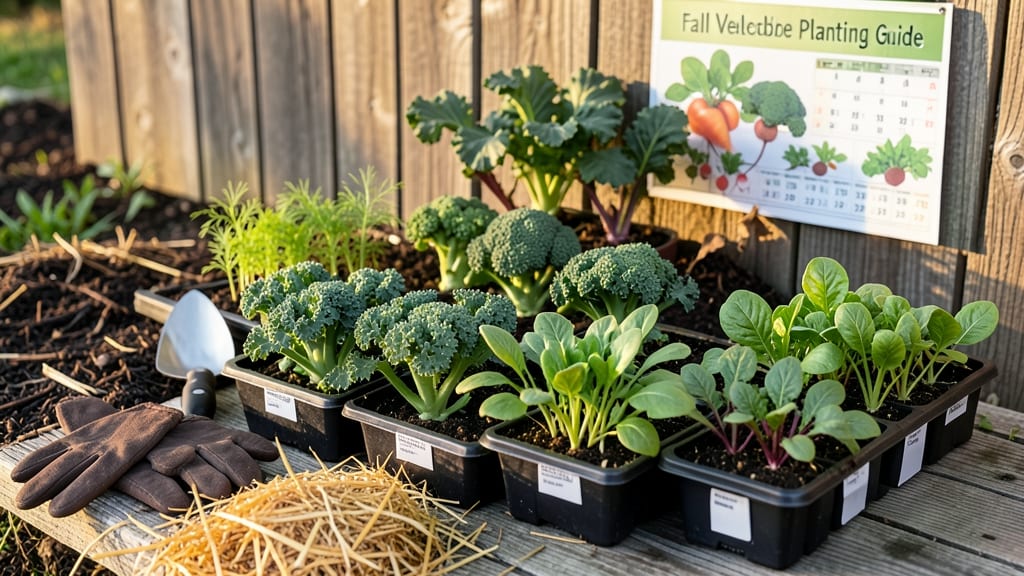
If you’ve ever stared at your garden bed in late summer wondering "when to plant fall crops in Zone 7", you’re not alone—timing is everything for a harvest that beats frost.
The difference between a bountiful fall garden and a sad, half-frozen disappointment often comes down to those 4-6 weeks before the first frost (that’s mid-August to early October for most of Zone 7).
Here’s the thing: Fall Crops (General) like kale, carrots, and broccoli thrive in cooler weather, but they need time to mature before winter shuts them down. Plant too early, and they bolt or rot; too late, and frost ruins your hard work.
I’ll break down the exact dates you need to know—plus how to adjust for your specific last frost date—to ensure your garden delivers peak yields from October through December.
We’ll also cover the game-changer of succession planting, so you can keep the harvest coming without overcrowding your space.
Whether you’re a seasoned gardener or just dipping your toes into fall planting, these tips will help you avoid the most common mistakes and make the most of your Zone 7 growing season.
Ready to turn your late-season garden into a productive powerhouse? Let’s dive into the precise timing and strategies that’ll keep your 🍂 Fall Crops (General) flourishing right up until winter sets in.
Fall planting calendar for Zone 7: exact dates by crop type
Fall gardening in Zone 7 is all about timing—plant too early, and your crops bolt; too late, and frost ruins your harvest. The key is planting 4-6 weeks before your first frost (typically mid-August to early October in most of Zone 7).
This window ensures your crops mature before temperatures drop below 28°F, when most vegetables freeze.
Your last frost date (usually around April 15) and first frost date (around November 1) define your planting window. For example, if your first frost is October 25, aim to plant by September 10 for a 6-week harvest window.
Use this timeline to align your planting with your local climate.
Below is a crop-specific planting calendar for Zone 7, organized by warm-season (like tomatoes and beans) and cool-season (like kale and carrots) crops. Warm-season crops need hot soil and long days, while cool-season crops thrive in cooler temperatures and shorter days.
Pay attention to the days to maturity—this tells you how long your crop needs to reach harvest before frost.
For warm-season crops, start seeds indoors in late May to early June and transplant outdoors by mid-June. These crops need 90-120 days to mature, so they must be in the ground by late July at the latest.
Examples include tomatoes, peppers, and corn, which won’t tolerate frost at all.
For cool-season crops, focus on late August to early October planting. These crops thrive in cooler temperatures (50-70°F) and can even handle light frosts. Leafy greens like spinach and kale are perfect for fall, as they grow quickly and tolerate light frosts down to 25°F.
Root vegetables like carrots and beets also do well, as long as the soil stays workable and frost-free during their early growth stages.
If you're planting transplants (like broccoli or cabbage), start them indoors in late July and move them outdoors by early August. This gives them enough time to establish roots before cooler weather sets in.
For direct-sown seeds, like radishes or lettuce, sow them 2-3 weeks before your target harvest date to ensure they mature before frost.
Pro tip: Use row covers or cold frames to extend your harvest window by 2-4 weeks in fall. These protective layers can shield crops from light frosts (28-32°F), allowing you to harvest greens and root vegetables well into November.
Just remove covers during the day to prevent overheating and ensure good airflow.
Always check your local frost dates—they can vary by 1-2 weeks even within Zone 7. For example, Charlottesville, VA typically has its first frost on October 25, while Raleigh, NC might see frost by November 10. Adjust your planting dates accordingly to avoid disappointment.
Finally, prioritize fast-maturing varieties for fall planting. Look for labels like "Early Girl" or "Quick Harvest"—these crops mature in 30-50 days, giving you a better chance to beat frost. Examples include bush beans (45 days), radishes (25 days), and spinach
How to adjust planting dates based on your last frost date
Your last frost date is the golden rule for fall planting in Zone 7. Most gardeners in this zone experience their first frost between October 20 and November 10, but your exact date depends on elevation and microclimates.
To find yours, check local weather records or use the USDA Plant Hardiness Zone Map combined with your county's frost data.
For fall crops, aim to plant 4-6 weeks before your first frost. This gives most vegetables enough time to mature before cold snaps hit. For example, if your frost date is November 1, start sowing leafy greens by late August and root crops like carrots by mid-September.
Adjust these dates if you live in a cooler microclimate (e.g., mountain areas in Zone 7 may need earlier plantings).
🌱Pro Tip: Use a frost calendar from your local Cooperative Extension Service for hyper-local accuracy. Even a 2-week difference can mean the difference between a thriving harvest and a frost-killed crop!
⚠️ Warning: Planting Too Late
If you wait until mid-October to plant slow-maturing crops like broccoli, they won’t have time to harvest before frost. Prioritize fast-growing varieties (e.g., radishes in 25 days) if you’re pushing the season.
🌡️ Soil temperature below 40°F (4°C) halts growth—test it with a soil thermometer before planting!
Extend your growing season with row covers or cold frames to push back frost dates by 2-4 weeks. These protective barriers trap heat and shield tender crops like spinach and lettuce from light frosts (28-32°F/-2 to 0°C).
For hardier crops like kale and Brussels sprouts, they actually sweeten in cold weather—so plant them 6-8 weeks before frost for a late-season boost.
Use succession planting to stagger harvests. For example, sow bush beans every 2 weeks from mid-August to early September in Zone 7. This ensures a steady supply while maximizing your garden’s potential.
Pair fast growers (e.g., radishes in 30 days) with slower ones (e.g., carrots in 70 days) to balance your timeline.
📅 Quick