
Plants
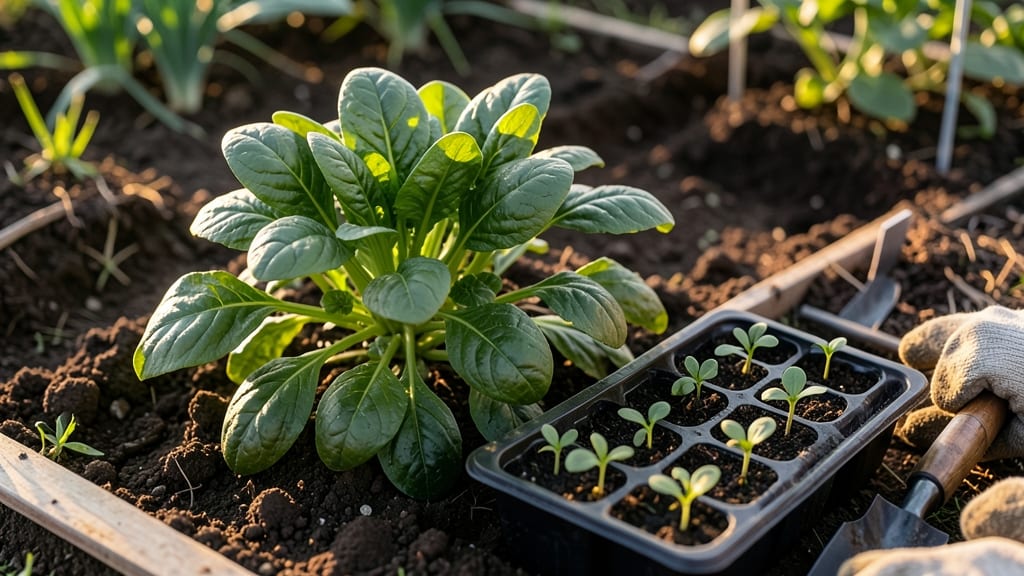
If you're dreaming of crisp, homegrown 🥬 spinach for your fall meals, when to plant fall spinach in zone 6 is the first step to success.
Planting your fall spinach 4-6 weeks before the first frost is the key to avoiding bitter leaves and maximizing your harvest—because those cool autumn days are what spinach truly craves.
Most gardeners in Zone 6 (especially 6a) make the mistake of waiting too long, only to watch their spinach bolt or turn tough before winter sets in.
The secret? Starting your seeds or transplants in early to mid-fall when soil temperatures dip below 75°F—that's typically August or early September for most areas.
Here's what you'll discover: the exact planting windows that align with your local frost dates, how to choose cold-hardy varieties like 'Winter Giant', and simple tricks to extend your harvest well into December. No more guessing—just a straightforward plan to turn your garden into a leafy green machine.
Ready to grow spinach that tastes fresher than anything from the store? Let's break down the steps so you can enjoy those tender leaves from late fall right through winter—without the stress of timing gone wrong.
Zone 6 fall spinach planting timeline: exact weeks before first frost
Timing your fall spinach planting in Zone 6 is all about beating the first frost while avoiding summer heat stress. The sweet spot? Plant 4–6 weeks before your average first frost date—typically between mid-August and early September for most of Zone 6.
This window ensures your spinach matures before cold snaps hit, delivering crisp, sweet leaves instead of bitter or bolted plants.
Why this timing? Spinach thrives in cool weather (45–65°F soil temps), but it bolts (goes to seed) when days get too long or hot. Planting too early in summer means struggling with heat, while planting too late risks immature harvests before frost.
Balance is key, and your local frost dates are your best guide.
For Zone 6a (earlier frost), aim for late August to early September plantings. In Zone 6b (later frost), you can stretch until mid-September. Use your last average frost date (usually October 15) to calculate your planting window backward.
Here’s the golden rule: Count 45–60 days back from your first frost. For example, if frost hits October 20, plant between August 25 and September 10. This gives your spinach enough time to reach harvest size before cold sets in.
🌱
Pro tip: Use succession planting every 2 weeks after your initial date to extend your harvest. For example, if you plant on August 20, follow up with September 5 and 15 for a steady supply of fresh spinach through fall and early winter.
If you’re unsure about your frost dates, check your local cooperative extension service or use the Almanac’s Frost Calculator. These tools provide hyper-local data that beats guessing.
For Zone 6, most areas see their first frost between October 15 and November 15, but microclimates (like urban heat islands) can shift this by 1–2 weeks.
Once you’ve nailed your planting window, focus on soil prep. Spinach loves rich, well-draining soil with a pH of 6.5–7.0. Work in compost or aged manure 2–3 weeks before planting to give roots a nutrient boost. Avoid fresh manure, which can burn tender spinach seedlings.
💧
Remember, spinach is a cool-season crop, so it’s forgiving of light frosts. In fact, a light frost (28–32°F) can sweeten the flavor of mature leaves. Just avoid hard freezes (below 25°F) that can damage the plants.
Use row covers or cold frames to protect late-season plantings if frost threatens early.
Zone 6 fall spinach planting timeline: exact weeks before first frost
In Zone 6, your fall spinach success hinges on planting 4–6 weeks before your first frost date—typically between mid-August and early September. This window ensures your spinach matures before winter sets in, delivering tender leaves when other crops fade.
Miss the mark, and you’ll risk bolting (flowering early) or stunted growth from cold snaps.
For Zone 6a (earlier frost, around October 15), aim for late August plantings. In Zone 6b (later frost, around November 1), you can extend planting until mid-September. Check your local frost date averages—a quick online search or almanac will save you guesswork.
Why timing matters: Spinach grows best in cool soil (45–65°F) and bolt (go to seed) when days lengthen or temps rise above 75°F. Planting too early in summer heat stresses seedlings, while late plantings may not mature before frost. Balance is key!
🌱
For baby leaf harvests (cut-and-come-again), plant every 2 weeks from late August through September. This staggered approach ensures a steady supply of tender greens, even as temperatures dip. Use row covers in late fall to extend harvests into December if your microclimate permits.
Pro tip: Direct-sow seeds (skip transplants) for stronger roots. Space seeds 1 inch apart in rows 12 inches apart, then thin to 4–6 inches between plants. Mulch with straw to retain moisture and suppress weeds—critical in Zone 6’s variable fall weather.
Watch for frost warnings in late fall. A light frost (28–32°F) actually sweetens spinach, but hard frosts (below 28°F) will damage leaves. Harvest before frost hits or protect plants with row covers or cloches for a few more weeks of harvests.
🌿