
Plants
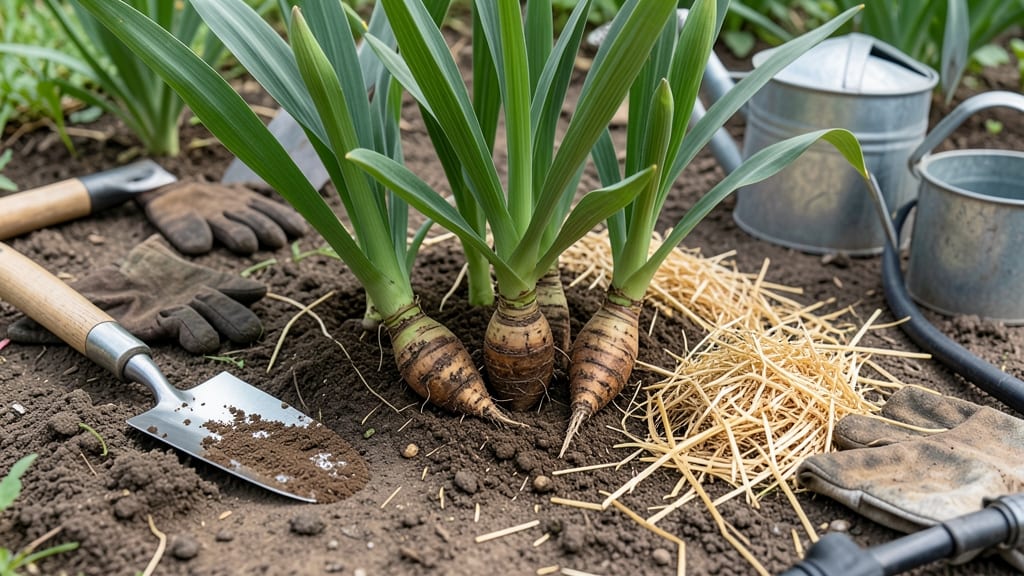
Timing is everything when it comes to planting daylily bulbs in Zone 9—get it wrong, and you might end up with weak growth or no blooms at all.
The perfect window for planting these hardy 🌸 beauties is either fall or early spring, but there’s more to it than just picking a month.
In Zone 9, where frost is rare but heat is relentless, planting too early can leave bulbs vulnerable to winter wetness, while waiting too long might stress them before they establish roots. I’ll break down the exact timing—including soil prep and microclimate tweaks—so your daylilies thrive from the first bloom.
Whether you’re in coastal 9b or inland, the key is understanding how temperature and moisture play into your planting schedule. Let’s dive into the strategies that’ll give you vibrant, long-lasting daylilies year after year.
From soil prep to spacing secrets, I’ve got the actionable steps to ensure your daylilies take root and flourish—no guesswork required. Ready to plant with confidence?
Ideal planting windows for daylily bulbs in Zone 9: month-by-month guide
Zone 9 gardeners enjoy a longer growing season and milder winters, but timing still matters for daylily bulb success. The best windows are fall (October–November) and early spring (February–March), when soil temps hover between 60–70°F—ideal for root establishment without summer heat stress.
Fall planting lets bulbs root before winter rains, while spring planting avoids winter wetness rot. Coastal areas (like San Diego) can plant slightly earlier than inland Phoenix due to cooler microclimates.
🌱 Daylily Planting Windows in Zone 9
| Season | Best Months | Soil Temp | Key Benefit |
|---|---|---|---|
| Fall | October–November | 60–70°F | Establishes roots before winter |
| Spring | February–March | 65–75°F | Avoids winter wetness rot |
| Avoid | June–August | Above 85°F | Heat stress, poor root growth |
| Coastal Adjustment | September–Early November | 55–65°F | Cooler temps extend window |
🌿 Note: Adjust 2–4 weeks earlier in high-altitude Zone 9 (e.g., Flagstaff).
For fall planting, aim for 6–8 weeks before first frost (Zone 9’s last frost is typically January 15). This gives roots time to anchor before cool-season rains arrive. Inland areas should plant 2 weeks later than coastal regions to avoid winter sogginess.
Spring planting in February–March ensures bulbs wake up as daylength increases. Wait until soil temps stay above 60°F to prevent root rot from lingering moisture. Test soil with a thermometer—daylilies hate cold, wet feet.
Zone 9’s microclimates create nuances: Desert areas (like Palm Springs) can plant earlier in fall (late September), while humid coastal zones (like Santa Barbara) should delay until October to avoid fungal issues. Always check local frost dates via USDA maps.
If you miss the ideal window, spring replanting is better than fall—just water deeply after planting to help roots adjust to Zone 9’s intense sun. Mulch with 2–3 inches of straw to retain moisture and regulate soil temps.
Pro tip: Pre-soak bulbs for 1–2 hours before planting to boost hydration in Zone 9’s dry air. This jumpstarts root growth, especially in sandy soils common to inland areas like Tucson.
Remember, daylilies are perennials, so timing affects long-term health. A well-timed planting in Zone 9 means years of low-maintenance blooms with minimal fuss—just sun, soil, and smart scheduling.
🌸
Ideal planting windows for daylily bulbs in Zone 9: month-by-month guide
Zone 9’s mild winters and long growing season create a perfect environment for daylilies, but timing matters. The best windows are fall (October–November) and early spring (February–March), when soil temps hover between 60–70°F—ideal for root establishment without summer heat stress.
Fall planting gives roots time to anchor before winter rains, while spring planting avoids summer drought. Coastal areas can plant slightly later (November–December) due to milder microclimates, but inland zones should stick to October’s cooler temps to prevent bulb rot.
🌱 Daylily Planting Windows in Zone 9
| Season | Best Months | Soil Temp | Key Benefit |
|---|---|---|---|
| Fall | October–November | 60–70°F | Roots establish before winter |
| Early Spring | February–March | 65–75°F | Avoids summer drought stress |
| Coastal Zone 9 | November–December | 55–65°F | Milder microclimate extends window |
Missed the window? September or April still work, but expect slower establishment. Avoid planting in summer’s peak heat (June–August)—bulbs risk drying out before roots form.
For reblooming varieties, prioritize fall planting. These need strong root systems to support multiple bloom cycles. Use mulch (2–3 inches) after planting to retain moisture and regulate soil temps.
Pro tip: Test soil moisture 1 inch deep before planting. If dry, water deeply 24 hours prior to help bulbs settle without air pockets. Zone 9’s clay soils benefit from compost amendments to improve drainage.
Remember, daylilies are hardy perennials—once established, they’ll thrive for years. But getting the timing right in your first season sets the stage for vibrant, low-maintenance blooms every year. 🌸