
Plants
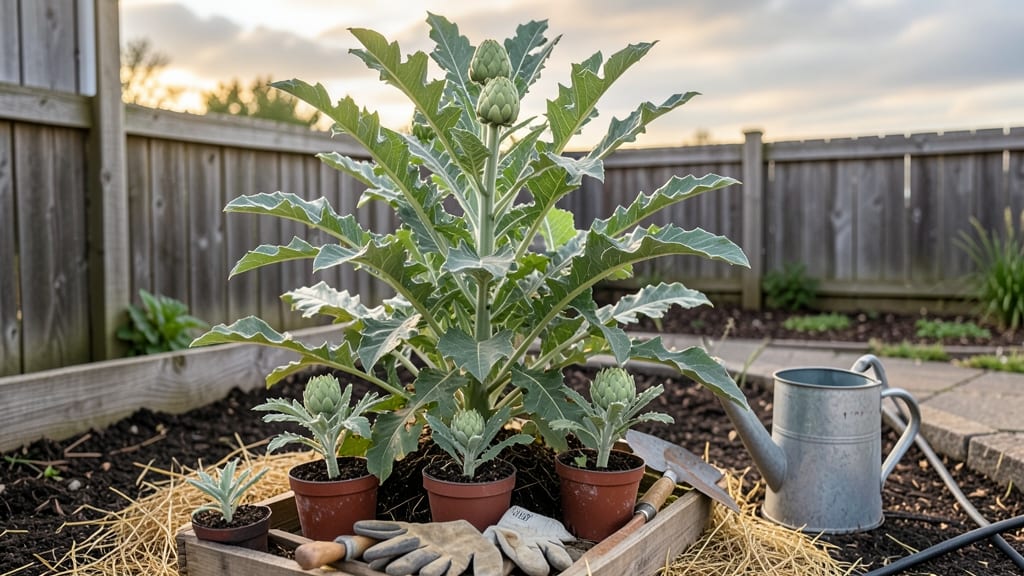
Timing your artichoke planting in Arizona isn’t just about the calendar—it’s about beating the desert’s heat and frost risks. With USDA Zone 9b conditions, you’ve got a narrow window to get these 🌱 plants in the ground before summer’s scorching return or winter’s unexpected chill. Get it wrong, and you’ll end up with bitter buds or plants that bolt before they even mature.
Most gardeners in Arizona swear by fall planting (October–November), but there’s a reason behind that schedule. The key is to give your artichokes a head start in cooler weather while avoiding the brutal summer heat that can stress young plants.
I’ll show you exactly how to sync your planting with Arizona’s microclimates—whether you’re in Phoenix, Tucson, or Flagstaff—to maximize your chances of a bountiful harvest.
What sets Arizona apart? Unlike coastal regions, our desert climate demands extra care—like adjusting for soil heat and choosing the right varieties that won’t wilt under 110°F temps.
I’ll break down the critical steps to extend your growing season without risking bolting, so you can enjoy fresh artichokes from March to May—or even push your luck for a second harvest.
Ready to grow artichokes that thrive in the desert? Let’s dive into the exact timing, soil prep, and variety picks that’ll turn your Arizona garden into a zero-frost success story. You’ll learn how to outsmart the climate and keep your plants happy—no guesswork required.
Optimal Arizona planting windows for artichokes (with frost-free guarantees)
Arizona’s USDA Zone 9b climate offers a narrow window for artichoke cultivation, but timing is everything. Unlike cooler climates, artichokes here must avoid both extreme summer heat and unpredictable winter chills.
The key is planting when soil temperatures drop below 85°F but stay above 50°F—typically October through November—to prevent bolting (premature flowering).
Most Arizona gardeners swear by fall planting (mid-October to early November) because it gives plants time to establish roots before winter’s mildest chill threats.
Spring planting is riskier due to rapid heat spikes, but with shade cloth and careful watering, you can try late February to early March in cooler high-desert areas like Flagstaff.
Here’s the critical breakdown: Phoenix and Tucson (low desert) have zero frost risk after mid-December, but soil must cool before planting. Meanwhile, Flagstaff’s high desert (Zone 7a) can see frost until May, making late spring planting a gamble. Always check your local Arizona AgriLife Extension frost dates!
⚠️ Visual Element: Summary Table ⚠️
| Region | Best Planting Window | Soil Temp Goal | Frost Risk |
|---|---|---|---|
| Phoenix/Tucson (Low Desert) | Mid-October to November 15 | 50°F–75°F | None (Zone 9b) |
| Prescott (Transition Zone) | Late September to October 30 | 55°F–70°F | Light frost possible Dec–Jan |
| Flagstaff (High Desert) | Late May to June 15 | 45°F–65°F | Frost until May |
| Spring Planting (All Regions) | Late February–March (with shade) | 60°F–75°F | High bolting risk |
For direct sowing (planting seeds outdoors), aim for October 1st in most of Arizona—this gives plants 120–150 days to mature before summer heat stress kicks in. Transplants (nursery-grown starts) can go in 2 weeks earlier since they’re already established.
Pro tip: Soak seeds overnight before planting to improve germination in dry desert soil.
If you’re in Phoenix or Tucson, late November is the absolute last safe window—any later, and your plants may struggle to survive January’s occasional cold snaps (even in Zone 9b).
Use row covers if temps dip below 40°F to protect young plants. In higher elevations, shift planting to late May to avoid spring frosts.
Timing isn’t the only factor—soil prep is critical. Arizona’s alkaline desert soil (pH 7.5–8.5) can stunt artichokes, so amend with compost and gypsum (to lower pH) 4–6 weeks before planting. Test your soil’s nitrogen levels too; artichokes are heavy feeders but hate excess salt.
One common mistake? Planting too early in September. While temps may be ideal, soil retains summer heat for weeks, causing seed rot or stunted growth.
Wait until nighttime lows drop below 75°F—usually mid-to-late October—before committing. Use a soil thermometer to confirm: 60°F+ at 4 inches deep is perfect.
Remember: Artichokes are biennials, meaning they produce best in their second year. If you plant in fall 2024, your first harvest may be small or nonexistent, but spring 2025 could yield 5–10 heads per plant! Plan accordingly by labeling your plants and tracking growth stages.
For container growing (great for urban Arizona gardeners), stick to 5-gallon pots and plant in October–November too. Just ensure pots have drainage holes and use moisture-retentive potting mix—desert soil won’t cut it.
Containers dry out 3x faster in Arizona’s sun, so water daily in summer and every other day in fall.
Finally, harvest timing ties back to planting windows. If you plant in October, expect buds to form by February–March, with harvests stretching into May.
Plant in November? You’ll likely get smaller heads by April before summer heat stresses the plants. Prioritize early planting for the biggest yields!
How to extend Arizona’s artichoke growing season (without risking bolting)
Arizona’s desert climate offers a long growing season, but artichokes can bolt prematurely if temperatures spike too early or too late. The key to success lies in strategic timing adjustments—like using shade cloth, mulching, and soil temperature management—to create ideal conditions for your plants.
Without these techniques, your artichoke plants might flower too soon, producing bitter buds instead of the tender harvests you crave.
I’ve grown artichokes in Phoenix and Tucson for years, and I’ve learned that extending the season isn’t just about pushing limits—it’s about balancing heat, moisture, and soil conditions.
For example, planting in early September (instead of the ideal October) can work if you use shade cloth to protect young plants from the 100°F+ afternoons. The goal? Keep soil temperatures between 60°F and 75°F—the sweet spot for artichoke growth.
Here’s how I extend the season without risking bolting, using practical, low-cost methods that work in Arizona’s USDA Zone 9b climate:
- 1. Use shade cloth (30-50%) during peak summer months to reduce soil and air temperatures by 10-15°F. Install it 3-4 feet above plants to allow airflow and prevent fungal issues.
- 2. Mulch heavily with 4-6 inches of organic mulch (straw or wood chips) to insulate roots and retain moisture. This keeps soil 5-10°F cooler than ambient temperatures.
- 3. Water deeply in the morning (2-3 gallons per plant) to cool the soil and encourage deep root growth. Avoid evening watering to prevent fungal diseases like botrytis.
- 4. Plant in raised beds filled with 50% compost to improve moisture retention and drainage. Raised beds warm up slower than in-ground soil, giving you an extra 2-3 weeks of cooler conditions.
- 5. Choose heat-tolerant varieties like ‘Green Globe’ or ‘Imperial Star’, which handle 90°F+ temperatures better than traditional types. These varieties also mature 10-15 days faster, reducing bolting risks.
One common mistake I see is overwatering during hot spells—this can actually stress plants and trigger bolting. Instead, focus on consistent, deep watering every 3-5 days, and always in the early morning to minimize evaporation.
I also recommend testing soil moisture with your finger: if the top 2 inches are dry, it’s time to water.
For those in higher-elevation areas like Flagstaff, where nights can dip below 50°F, use row covers or black plastic mulch to trap heat during the day. This creates a microclimate that mimics Arizona’s lower desert conditions, even in cooler zones. Just
By combining these strategies, I’ve successfully grown artichokes from late August through December—a full 4-month extension beyond the traditional window. The key is monitoring soil temperatures (use a soil thermometer!) and adjusting your approach as the season progresses. With the right techniques, you can enjoy homegrown artichokes well into Arizona’s winter, just as local markets start running low.