
Plants
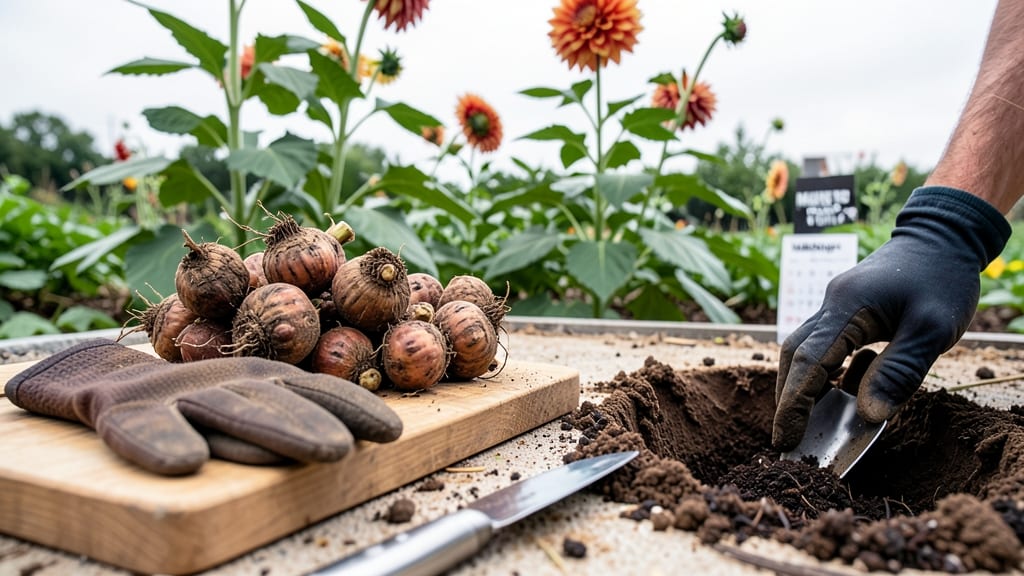
Planting dahlia bulbs at the right time in Georgia can mean the difference between stunning summer blooms and sad, wilted 🌸 stalks. The key is waiting until after your last frost—typically around mid-March—but there’s more to it than just the calendar.
Georgia’s USDA Zones 7b-8b bring their own challenges, from sticky humidity to sudden heat spikes. If you plant too early, your dahlias might rot in cold soil; too late, and you’ll miss peak bloom season.
I’ll walk you through the exact window—late March to early April—plus how to prep your soil and bulbs for Georgia’s tricky climate.
You’ll also discover how to adjust for North vs. South Georgia’s microclimates, when to start chitting your tubers, and the one critical mistake most gardeners make that kills dahlias before they even sprout. Let’s get those bulbs in the ground the right way.
By the end, you’ll know exactly when to plant for bold, long-lasting blooms—no guesswork, just Georgia-ready dahlias that steal the show from July through October. Ready to transform your garden?
Best planting timeline for dahlias in Georgia: Zone-specific dates
Georgia’s USDA Zones 7b and 8a create unique challenges for dahlia growers, with humidity spikes and variable frost dates across regions. In Zone 7b (North Georgia), the last frost typically arrives by March 15, while Zone 8a (South Georgia) sees frost-free conditions by February 28.
Planting too early risks frost damage, while waiting too long delays your summer blooms.
For bare-root tubers, aim to plant 2-3 weeks after your area’s last frost when soil temperatures hit 60°F.
In North Georgia (Zone 7b), this usually falls in late March to early April. South Georgia (Zone 8a) gardeners can start as early as mid-to-late February, but monitor soil warmth—cold soil slows root growth.
Pre-grown dahlia tubers (with sprouts visible) are more flexible. Plant these 1-2 weeks earlier than bare-root tubers, as their established roots handle cooler soil better. However, avoid planting when nighttime temps dip below 50°F, which stresses young plants.
| Zone & Region | Last Frost Date | Ideal Planting Window | Soil Temp Threshold |
|---|---|---|---|
| Zone 7b (North GA) | March 15 | Late March–Early April | 60°F+ |
| Zone 8a (South GA) | February 28 | Mid-February–Late March | 55°F+ |
| Both Zones | N/A | Avoid planting after May 15 | Heat stress risk |
Georgia’s microclimates mean your neighbor’s planting schedule might not match yours. Mountain regions (Zone 7b) often see later frosts, while coastal areas (Zone 8a) can plant earlier. Check your local Cooperative Extension Service for hyper-local frost data, or use a frost calendar app like Frost Freeze.
If you’re starting tubers indoors for an earlier bloom, begin 8-10 weeks before your target outdoor planting date. Use seed-starting mix and keep temps at 65-70°F during the day. Hardening off (acclimating to outdoor conditions) takes 7-10 days before transplanting.
For container gardening, plant dahlias 1-2 weeks later than in-ground varieties, as pots cool faster and are more vulnerable to temperature swings. Choose large containers (12"+ diameter) with drainage holes to prevent root rot in Georgia’s humid summers.
Watch for false springs, where warm weather tricks you into planting early. If nighttime temps drop below 40°F after planting, cover tubers with row fabric or a cloche to protect them. Dahlias despise frost—even a light freeze can kill emerging shoots.
Once planted, mulch heavily (3-4 inches) with straw or pine needles to regulate soil temperature and retain moisture. In Zone 8a, mulching also helps prevent soil-borne diseases like powdery mildew, which thrives in Georgia’s humidity.
Plan for a 90-120 day bloom cycle. If you plant in late March (Zone 7b), expect first blooms in June. South Georgia gardeners planting in February may see blooms as early as May, but heat stress can shorten the season if summer arrives early.
How to prepare dahlia bulbs for Georgia’s climate: pre-planting tips
Georgia’s humid summers and heavy clay soils can stress dahlia bulbs if you don’t prepare them properly. Chitting your tubers indoors 4-6 weeks before planting is a game-changer—it jump-starts growth and gives you a head start on the 215-day frost-free season.
Simply place bulbs in a tray with the eyes facing up, cover with 2 inches of potting mix, and set them in a bright, 60-65°F spot.
Once you’ve chitted your bulbs, focus on hardening off them to avoid transplant shock. Move tubers outdoors gradually over 7-10 days, starting with 2 hours of morning sun and increasing exposure daily.
This mimics Georgia’s rapid temperature swings between day and night, especially in Zone 8a, where nights can still dip into the 50s°F even in May.
Problem: Georgia’s heavy clay soils can suffocate bulbs if planted deeper than 4-6 inches. Planting too early (before soil reaches 60°F) risks rot from lingering moisture and fungal diseases like powdery mildew, which thrives in Georgia’s humidity.
Solution: Amend soil with compost or peat moss to improve drainage. Use a soil thermometer to confirm soil temp before planting—wait until 2-3 weeks after last frost (typically mid-April in Zone 7b, early April in Zone 8a).
For sandy soils common in South Georgia, mix in organic matter like aged manure or coconut coir to retain moisture. Test your soil’s pH—dahlias prefer 6.5-7.0, and Georgia’s native soils often skew acidic. Adjust with lime if needed, but do this 2-3 months before planting to avoid burning roots.
If you’re planting bare-root tubers, soak them in lukewarm water for 1-2 hours before planting to rehydrate. This is especially important in Georgia’s drought-prone summers, where tubers can dry out quickly.
Plant with the neck slightly above soil level—this helps prevent rot during our frequent summer rains.
Label your dahlias immediately! Georgia’s heat and humidity can make varieties hard to distinguish once they’re established. Use biodegradable plant markers and include the variety name and planting date.
This helps track growth stages and ensures you don’t accidentally dig up the wrong tuber when it’s time to overwinter them.
Finally, mulch around your newly planted bulbs with 2-3 inches of straw or shredded leaves to retain moisture and regulate soil temperature. In Georgia’s Zone 7b, where mornings can still be chilly in May, mulch acts as an insulator while keeping roots cool during 90°F+ days.
Just avoid piling mulch directly against the stems to prevent rot.