
Plants
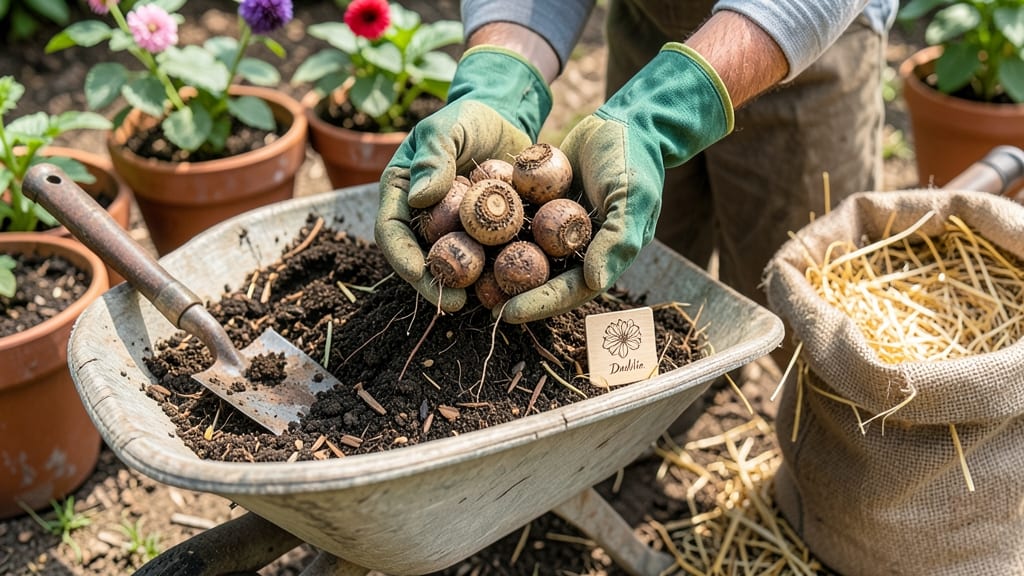
When to plant dahlias in Georgia is the difference between a garden bursting with 🌼 vibrant blooms and a sad investment in frost-killed tubers. The perfect window—late March to early April—lets you outsmart Georgia’s unpredictable frost dates while giving your dahlias 120+ days to reach their full glory.
Here’s the secret: waiting until soil warms to 60°F and the last frost has passed (usually around March 15) ensures your tubers won’t rot or freeze.
But if you’re in North Georgia’s cooler 7b zones, you might need to pre-sprout tubers indoors in February to gain that critical head start.
Why does this matter? Dahlias planted too early risk stunted growth, while late plantings may never bloom before fall’s chill sets in. I’ll walk you through Georgia-specific hacks—from soil prep to regional adjustments—to guarantee your dahlias thrive from July through October.
Ready to transform your garden? Let’s dive into the exact steps to plant your dahlias for maximum impact, no matter where in Georgia you’re gardening.
Georgia’s ideal dahlias planting window: frost dates & soil temperature guide
Georgia’s USDA zones 7a-8b create a unique challenge for dahlias—balancing humid summers with unpredictable frost dates. The key to success lies in planting after your average last frost date, which typically falls between mid-March and early April across the state.
North Georgia gardeners (zones 7a-7b) should wait until April 1st to ensure safety, while South Georgia (zone 8b) can plant as early as late March.
Dahlias thrive when soil temperatures reach 60°F or warmer. Use a soil thermometer to confirm—cold soil slows root growth and invites rot diseases. In Georgia, this usually aligns with mid-April for most regions, but North Georgia’s cooler microclimates may require waiting until early May in sheltered areas.
Here’s the critical timeline you must follow: Plant tubers 2-4 weeks after your last frost, once soil warms to 60°F+. This ensures vigorous root establishment before Georgia’s intense summer heat arrives. Skipping this step risks stunted growth or wilted blooms.
| Region | Avg. Last Frost | Ideal Planting Window | Soil Temp. Goal |
|---|---|---|---|
| North Georgia (7a-7b) | March 25 - April 5 | April 15 - May 1 | 60°F+ |
| Central Georgia (7b) | March 15 - March 30 | April 1 - April 15 | 60°F+ |
| South Georgia (8a-8b) | March 1 - March 15 | Late March - Early April | 60°F+ |
Georgia’s humidity levels (often 70%+) demand extra attention to soil drainage. Amend heavy clay soils with compost or sand to prevent root rot. Test your soil’s pH—dahlias prefer 6.0-7.0.
If your soil is too acidic, add lime in early spring to create the perfect environment for tuber growth.
Pro tip: Pre-sprout tubers indoors in February for a 4-6 week head start. Place tubers in moist peat moss under grow lights (12+ hours/day) until sprouts reach 3-4 inches. This trick extends your bloom season by weeks, especially in North Georgia’s shorter growing window.
Watch for false springs—Georgia’s unpredictable warm spells in February or March can fool you into planting too early. Always check the National Weather Service’s frost predictions or use a frost calendar for your county. A late frost after planting can kill emerging shoots overnight.
Once planted, mulch heavily (3-4 inches) with straw or shredded leaves to retain moisture and regulate soil temperature. This is non-negotiable in Georgia’s sweltering summers, where soil can reach 90°F+ at surface level. Mulch also suppresses weeds that compete with dahlias for nutrients.
Remember: Dahlias are tender perennials—they won’t survive Georgia’s winters. After your first frost (usually mid-November), dig up tubers, trim foliage, and store them in a cool, dry place (40-50°F) until next spring. This annual cycle is part of the fun!
For maximum blooms, pair dahlias with companion plants like marigolds (repel pests) or basil (improves growth). In Georgia’s heat, afternoon shade from taller plants can prevent wilting while still providing 6+ hours of morning sun.
Step-by-step dahlias planting timeline: from tubers to first blooms
Timing your dahlias correctly in Georgia isn’t just about avoiding frost—it’s about giving your tubers the perfect head start. My step-by-step timeline aligns with Georgia’s climate, ensuring your dahlias bloom earlier and more vigorously than neighbors who plant too late.
Let’s break it down by month so you can visualize success from February sprouting to July’s first blooms.
Start indoors in February if you’re in North Georgia (USDA Zone 7b), where frost lingers longer. Place tubers in a moist potting mix at 60-65°F and watch for green shoots in 2-4 weeks. This early start shaves critical weeks off your growing season.
For South Georgia (Zone 8a-8b), you can plant directly outdoors in late March without pre-sprouting, but I still recommend hardening off seedlings for 7-10 days before transplanting.
🌱 Step-by-Step Dahlias Planting Timeline
- February (North GA only): Sprout tubers indoors at 60-65°F. Expect shoots in 2-4 weeks.
- March (All GA): Harden off seedlings (7-10 days) if started indoors. Prep garden beds with compost.
- Late March-Early April: Plant tubers 4-6 inches deep, 12-18" apart, after soil reaches 60°F.
- April-May: Mulch heavily (3-4") to retain moisture and prevent soil temp swings.
- June: Pinch back stems to encourage bushier growth and more blooms.
- July-October: Enjoy continuous blooms! Deadhead spent flowers to prolong season.
Once your soil hits 60°F (test with a soil thermometer!), it’s go-time for outdoor planting. I dig holes 4-6 inches deep—deep enough to bury the tuber’s "eyes" (growth nodes) 2 inches below soil.
Space dwarf varieties 12 inches apart and tall types 18-24 inches apart to prevent crowding. Pro tip: Add a handful of bone meal to each hole for phosphorus—this boosts root development and earlier blooming.
After planting, water deeply once a week for the first month to encourage root establishment. Avoid overhead watering to prevent fungal diseases like powdery mildew, which thrives in Georgia’s humidity. Instead, use a soaker hose or drip irrigation to deliver water at the base.
Once established, dahlias are surprisingly drought-tolerant, but they’ll reward you with larger blooms if you maintain consistent moisture during peak summer heat.
By mid-June, your dahlias should be 3-4 feet tall and ready for their first major pinch. Cut back the main stem just above a set of leaves to encourage branching. This simple step can double your bloom count by stimulating lateral growth.
I also recommend applying a balanced fertilizer (5-10-10) every 4-6 weeks during the growing season to keep your plants thriving. Stop fertilizing in September to harden off tubers for winter storage.
With this timeline, you’ll enjoy continuous blooms from July through October, even in Georgia’s short growing season. The key is patience—dahlias take 90-120 days to reach their full glory, but the payoff is worth every week of waiting.
Plus, well-timed dahlias will outshine your neighbors’ gardens with their vibrant colors and lush foliage.
🌼