
Plants
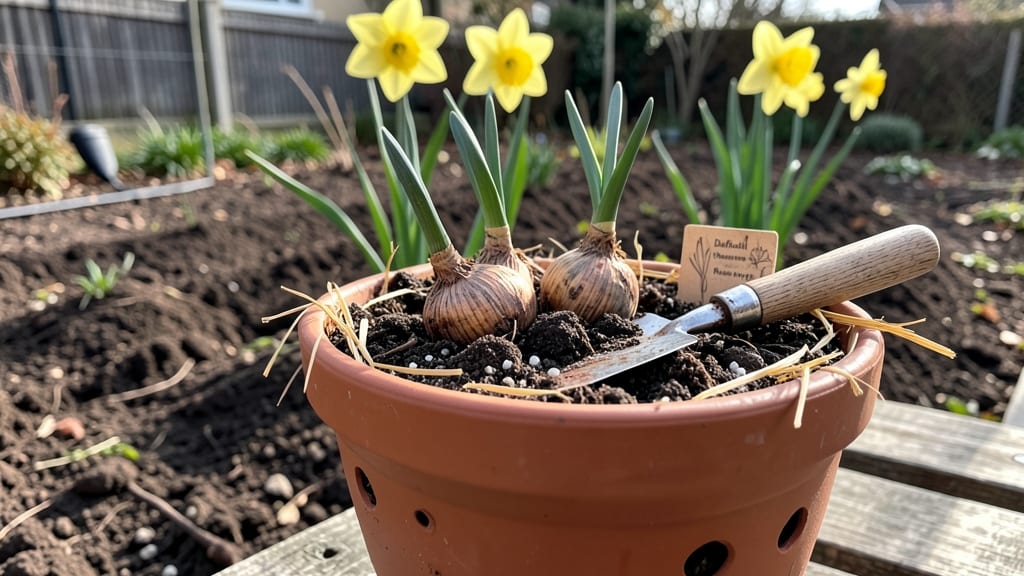
Planting daffodils in Washington State at the wrong time can mean the difference between a vibrant spring display and wasted effort. With the state's varied climate—from rainy Seattle to drier inland areas—timing is everything for these cheerful 🌼 blooms.
Most gardeners in zones 6b-9a (like Spokane, Seattle, or Vancouver) should plant in October through December, but local frost dates shift the ideal window. Too early, and bulbs may rot; too late, and they won’t establish roots before winter.
I’ll break down exactly when to dig in your specific area.
Beyond timing, soil prep and bulb depth play a huge role in success. Whether you’re a first-time gardener or a seasoned pro, these simple steps will help your daffodils thrive. Let’s get your garden ready for next spring’s brightest stars.
You’ll also discover how to adjust for early freezes, the best varieties for Washington’s climate, and why fall planting is non-negotiable. Ready to make your garden pop with color? Let’s make it happen.
Washington State daffodil planting calendar by USDA zones 7-9
Timing is everything when planting daffodils in Washington State. The Pacific Northwest’s mild winters and variable frost dates create unique windows for bulb planting.
In Seattle (Zone 7b-8a), aim for October through November, while Spokane (Zone 6b-7a) gardeners should plant by mid-October to avoid early freezes. Vancouver (Zone 8b-9a) offers a longer window until December.
Washington’s three distinct microclimates—Western Rainy, Eastern Dry, and High-Desert Zones—each demand slightly different approaches. Soil temperature (not air temperature) determines readiness: plant when soil reaches 50-60°F and stays consistently cool. Use a soil thermometer to check, especially in high-desert areas like Yakima where days warm quickly.
Daffodils need 6-8 weeks to establish roots before winter.
Planting too early can lead to rot, while late planting may result in weak blooms or no flowers at all. Bulb depth is critical: dig holes 6-8 inches deep (twice the bulb’s height) and space them 4-6 inches apart for optimal airflow.
| Region | USDA Zone | Ideal Planting Month | Soil Prep | Bulb Depth |
|---|---|---|---|---|
| Western Rainy (Seattle, Olympia) | 7b-8a | October-November | Well-draining, compost-amended | 6-8 inches |
| Eastern Dry (Spokane, Wenatchee) | 6b-7a | Mid-September-October | Loamy, gritty soil | 7-9 inches |
| High-Desert (Yakima, Moses Lake) | 7a-8b | October-November | Sandy, fast-draining | 5-7 inches |
In Western Washington, where rainfall is abundant, prioritize well-draining soil to prevent bulb rot. Mix in compost or sand if your native soil is heavy clay. Eastern Washington’s drier climate benefits from mulching after planting to retain moisture during fall rains or spring droughts.
For container gardening in Washington’s urban areas, use well-draining potting mix with perlite and plant bulbs in October-November. Containers warm up faster, so monitor soil moisture closely. Dwarf varieties like ‘Tête-à-Tête’ thrive in pots and bloom reliably in Zone 7-9.
If you miss the ideal fall window, January planting is a backup option in milder zones (8b-9a). Choose smaller bulbs (size 12-14) for this late planting, as they establish faster. Water thoroughly after planting and keep soil moist until spring growth begins.
Pro tip: Mark your daffodil beds with stakes or flags after planting. Washington’s winter rains can wash away mulch, exposing bulbs to cold or erosion. A thin layer of straw mulch (2-3 inches) helps insulate bulbs while preventing soil compaction.
Test your soil’s pH level before planting—daffodils prefer 6.0-7.0. Washington’s acidic soils (common in Western regions) may need lime amendments. Use a soil test kit from your local Cooperative Extension office for precise recommendations.
Remember: Spring blooms depend on fall prep. The 6-8 weeks between planting and frost are your bulbs’ chance to root deeply. In Spokane’s colder microclimate, plant by October 15; in Vancouver’s milder zone, you can wait until December 1.
Adjust for early/late frost years by checking your local National Weather Service forecasts.
Critical factors that shift planting timing in Washington’s climate
Washington’s microclimates create dramatic shifts in daffodil planting windows—what works in Seattle’s rainy zone fails in Yakima’s dry desert. The key factors? Soil temperature, frost dates, and rainfall patterns all dictate when to plant.
In wetter western regions, cooler soils stay workable longer, while eastern areas freeze earlier, shrinking your planting window.
For example, Puget Sound gardeners can plant until mid-December thanks to milder winters, while Spokane must finish by early November to avoid frozen ground. Even within Seattle, urban heat islands can delay frost by weeks compared to surrounding areas.
Here’s how to adjust: Check your last frost date (Seattle: Feb 15, Spokane: Mar 15) and plant 6-8 weeks before it hits. Use a soil thermometer—ideal temps are 40-50°F at planting depth. In high-desert areas, wait until October when soils warm enough to prevent rot.
⚠️ Planting Too Early or Late in WA
Too Early: Bulbs rot in cool, wet soils (common in November in western WA).
Too Late: Frozen ground prevents root growth (critical in December in eastern WA).
Solution: Test soil moisture—if it’s soggy, wait; if hard, plant deeper (up to 8 inches).
Rainfall also plays a role. In western WA’s wet zones, plant in October to avoid winter waterlogging. In eastern WA’s dry zones, November planting ensures moisture for root establishment. Always amend clay soils with compost to improve drainage—critical in Seattle’s heavy soils.
Pro tip: Use mulch (straw or shredded leaves) after planting to insulate bulbs. In cold zones (like Mount Rainier), add an extra 2 inches of mulch to protect from sub-zero temps. This simple step can mean the difference between blooms and failed growth.
Finally, watch for unpredictable weather. A warm November might trick you into planting late, only for a sudden freeze to lock roots out. Always have a backup plan: store bulbs in a cool, dark place (like a garage) if your window closes early.