
Plants
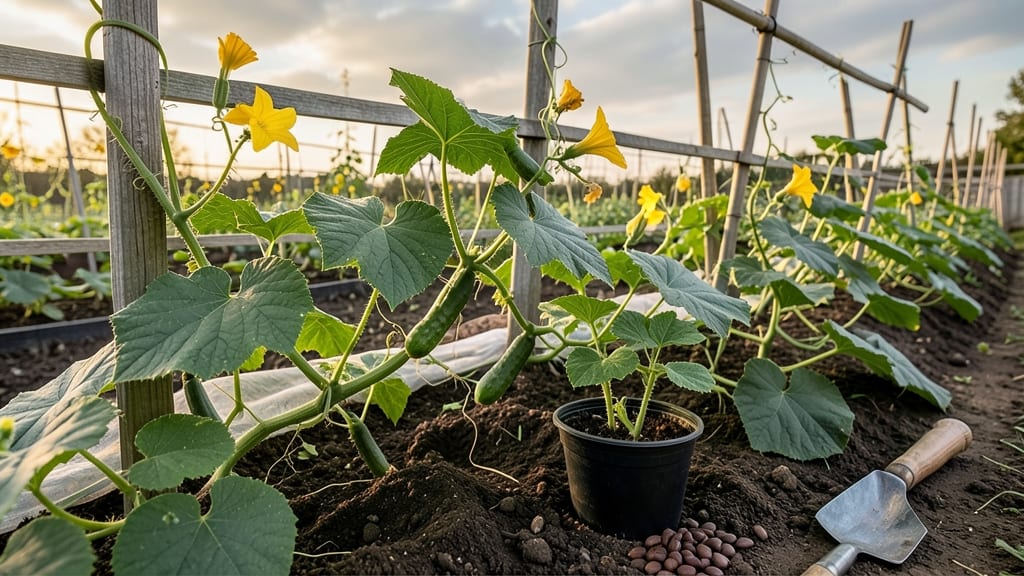
Timing your cucumber 🥒 planting in West Virginia isn’t just about avoiding frost—it’s about catching that sweet spot when soil warmth unlocks explosive growth. Plant too early, and chilly nights stifle those tender seedlings; wait too long, and you’ll miss the prime harvest window between June and September.
Most gardeners in USDA Zone 6a know the struggle: unpredictable spring weather can turn your cucumber dreams into a guessing game. But here’s the game-changer—soil temperature matters more than calendar dates.
Once your soil hits a steady 60°F, those seeds will sprout like clockwork, giving you a head start on the 165 frost-free days West Virginia offers each summer.
I’ll walk you through the exact planting window (April 15–May 15) and how to tweak it for your specific corner of the state. Whether you’re dealing with late frosts in the mountains or humid valleys, these proven strategies will help you maximize your harvest—no more wasted seeds or bitter cucumbers!
Ready to turn your garden into a crisp, vine-ripened cucumber paradise? Let’s break down the essential steps to time your planting perfectly, from soil prep to succession planting for nonstop bounty.
West Virginia’s ideal cucumber planting timeline based on soil temperature & frost dates
West Virginia’s USDA Zones 5-8 create a tricky balance for cucumber growers. The last average frost date shifts from mid-April in southern regions to late May in the northern panhandle. But timing isn’t just about frost—soil temperature is the real game-changer for cucumbers.
Cucumber seeds need soil temperatures above 60°F to germinate properly. In most of West Virginia, this typically aligns with late April to early May. However, northern counties like Monongalia or Preston may need to wait until mid-May when soil finally warms up.
For a head start, I recommend using black plastic mulch 1-2 weeks before planting. This warms the soil faster and gives you a 2-3 week earlier planting window in cooler areas. Just lay it down and plant through the plastic once the ground is workable.
Pro tip: Test your soil temperature with a soil thermometer (available at garden centers for under $10). Stick it in the ground at 4 inches deep—this is where cucumber roots will be. If it’s below 60°F, wait a few more days.
🌱 West Virginia Cucumber Planting Timeline
| Region | Last Frost Date | Ideal Planting Window | Soil Temp Requirement | Harvest Window |
|---|---|---|---|---|
| Southern WV (Charleston, Huntington) | April 15 | April 20 - May 5 | 60°F+ | June 15 - Sept 15 |
| Central WV (Morgantown, Clarksburg) | April 30 | May 5 - May 15 | 60°F+ | June 20 - Sept 10 |
| Northern WV (Martinsburg, Elkins) | May 15 | May 20 - June 1 | 60°F+ | July 1 - Aug 30 |
If you’re in Zone 5 or 6 (like Berkeley or Jefferson counties), consider starting seeds indoors 3-4 weeks before your last frost date. Use biodegradable pots to avoid transplant shock when moving them outdoors. I’ve had great success with ‘Straight Eight’ and ‘Lemon Cucumber’ varieties when started this way.
For containers or small spaces, plant after May 15 regardless of zone. Dwarf varieties like ‘Bush Champion’ grow well in 5-gallon pots and produce 30-40 cucumbers per plant—perfect for patios or balconies. Just ensure the container has drainage holes and you’re using lightweight potting mix.
One common mistake I see is planting too early and having seedlings rot in cold soil. If you’re unsure, err on the side of waiting 1-2 weeks. Cucumbers are fast growers—they’ll catch up quickly once the soil warms up.
After planting, mulch heavily with straw or shredded leaves to maintain soil warmth. This also reduces water evaporation by up to 30%, which is crucial in West Virginia’s humid summers where cucumbers can overheat if the soil stays too cool.
Finally, keep an eye on your local weather forecast. If a late frost warning appears after planting, cover seedlings with frost cloth or a lightweight row cover. Even a 28°F night can kill young cucumber plants, so don’t skip this step if the forecast looks risky.
West Virginia’s ideal cucumber planting timeline based on soil temperature & frost dates
West Virginia’s USDA Zones 5-8 create a tricky balance for cucumbers—too early, and frost zaps tender seedlings; too late, and summer heat arrives before harvest. The perfect window depends on two critical factors: soil temperature (must reach 60°F+) and last frost dates, which vary by region.
Northern counties (like Morgantown) average April 15 for final frost, while southern areas (like Charleston) often see frost-free conditions by March 30.
For most of West Virginia, aim to plant cucumbers 2-3 weeks after your last frost date. This gives seedlings time to establish roots in warmed soil. Use a soil thermometer to confirm temperatures—cucumbers won’t germinate below 55°F, and growth stalls under 65°F.
Pro tip: Black plastic mulch can raise soil temps by 5-10°F, giving you an earlier start in cooler zones.
Here’s how to adjust your timeline based on West Virginia’s microclimates:
| Region | Avg. Last Frost | Ideal Planting Window | Soil Prep Tip |
|---|---|---|---|
| Northern WV (Morgantown, Elkins) | April 15 | May 1–15 (after soil hits 60°F) | Use row covers for early starts |
| Central WV (Charleston, Huntington) | April 1 | April 15–May 1 | Plant near black mulch for warmth |
| Southern WV (Lewisburg, Bluefield) | March 30 | April 10–25 | Watch for late frosts; use cold frames |
If your spring is unusually cold, opt for heat-tolerant varieties like ‘Straight Eight’ or ‘Lemon Cucumber’—they handle West Virginia’s humid summers better than delicate types. For a head start, sow seeds indoors 4-6 weeks before your last frost date, then transplant seedlings when soil is warm.
Just beware: Cucumbers hate transplant shock, so harden them off gradually.
Never plant cucumbers before May 1 in northern WV—even with row covers—unless you’re willing to risk black rot from lingering damp soil. Instead, use this time to prep beds: Work in compost and a balanced fertilizer (10-10-10) to boost soil fertility.
Cucumbers are heavy feeders, so rich soil = bigger yields.
Protect your investment by monitoring local weather forecasts and having frost cloth ready for late surprises. With the right timing, you’ll enjoy crisp cucumbers from June through September—just in time for summer salads and pickling! 🥒