
Plants
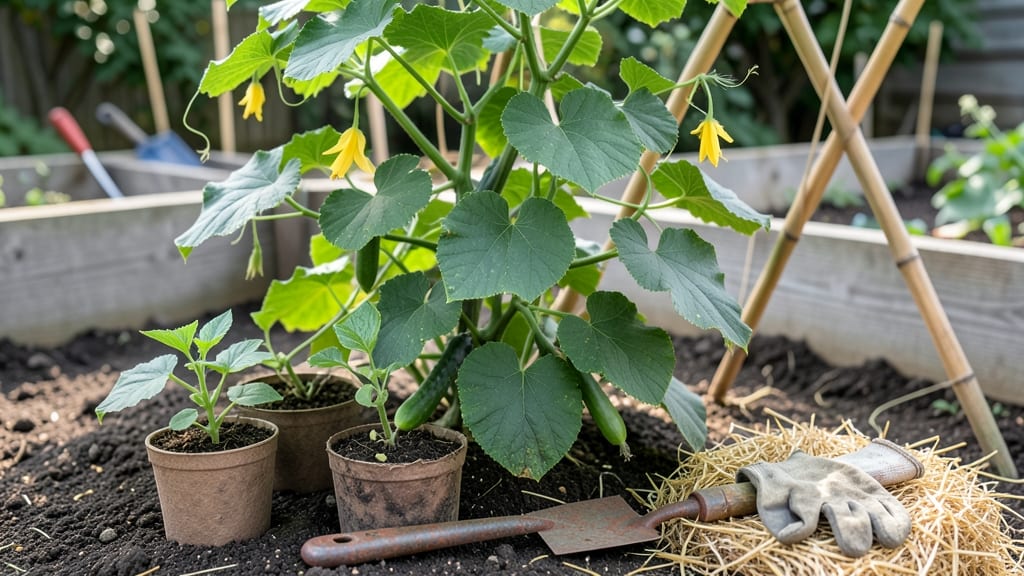
Knowing when to plant cucumbers in New York isn’t just about checking the calendar—it’s about dodging frost, reading your microclimate, and giving those 🥒 vines the perfect head start.
With USDA Zone 6a frost dates that can swing wildly from April to June, planting too early means wilted seedlings, while waiting too long cuts your harvest short.
Most New York gardeners swear by the April 15-June 1 window, but that’s just the starting point. Urban heat islands in Manhattan stay warmer than the Catskills, and soil needs to hit at least 60°F before those seeds even think about sprouting.
Whether you’re direct-sowing or transplanting, timing is everything—and getting it wrong could mean missing out on July-September harvests.
Here’s the game-changer: I’ll break down exactly when to plant in your specific corner of New York, from Long Island’s coastal breezes to the Hudson Valley’s sheltered valleys. You’ll also discover how containers vs. in-ground beds change the rules, and why some years demand a second planting in early June.
Let’s turn your cucumber dreams into a bountiful reality.
Ready to stop guessing and start growing? By the end, you’ll know not just when to plant, but how to stretch your season for bigger, healthier 🥒 harvests—no matter where you garden in the Empire State.
New York’s frost-free planting zones: when to start cucumbers by region
New York’s diverse geography means your last frost date could vary by 2-3 weeks depending on where you live. In New York City, the average last frost is April 15, but in the Adirondacks, it can linger until May 10.
For cucumber germination, soil must reach 60°F or warmer—a threshold often met 2-3 weeks after the last frost.
Urban gardeners in Manhattan or Brooklyn benefit from heat islands that warm soil faster, while Long Island and Hudson Valley areas may need to wait until late April.
The Catskills and Adirondacks typically plant 3-4 weeks later to avoid frost damage. Always check your local USDA Zone 6a guidelines for precision.
| Region | Last Frost Date | Planting Window | Soil Temp Threshold |
|---|---|---|---|
| New York City | April 15 | April 25 - May 10 | 60°F+ |
| Long Island | April 20 | May 1 - May 15 | 60°F+ |
| Hudson Valley | April 25 | May 5 - May 20 | 60°F+ |
| Catskills/Adirondacks | May 10 | May 20 - June 1 | 60°F+ |
For container gardening, use black plastic pots to absorb heat and plant 1-2 weeks earlier than in-ground. Bush varieties like ‘Bush Champion’ are ideal for containers, while vining types (e.g., ‘Straight Eight’) need trellises and 6+ feet of space.
Always harden off seedlings for 7-10 days before transplanting to avoid shock.
If you’re in a high-elevation area (e.g., Catskills), opt for heat-tolerant varieties like ‘Marketmore 76’ or ‘Suyo Long’. These thrive in NY’s short summers and resist powdery mildew, a common issue in humid regions.
Start seeds indoors 3-4 weeks before your local last frost date for a head start.
New York’s first frost typically arrives October 15, but succession planting can extend harvests. Sow new seeds every 2 weeks from May to July for a continuous supply. Use row covers to protect late-season plants from light frosts (down to 28°F) and prolong the growing season.
Always monitor local weather forecasts and use a soil thermometer to confirm readiness. Cold soil delays germination, and frost-killed seedlings waste time and resources. For urban gardeners, south-facing walls or rooftop gardens can add 5-10°F warmth to the microclimate, allowing earlier planting.
Pro tip: Plant radishes or lettuce as companion crops—they mature quickly and signal when soil is warm enough for cucumbers. Avoid planting near potatoes or melons, as they compete for nutrients and attract similar pests.
With the right timing, you’ll enjoy crisp, homegrown cucumbers from July through September. 🥒
For container growers, choose 5-gallon pots with drainage holes and use a lightweight potting mix. Containers dry out faster, so water daily during heatwaves and mulch with straw to retain moisture. In-ground plantings benefit from 3-4 inches of compost mixed into the soil before sowing.
Remember: Timing is everything. Plant too early, and frost will kill your seedlings. Plant too late, and your harvest will suffer from shorter daylight hours in late summer. By following these region-specific guidelines, you’ll maximize your cucumber yield and enjoy fresh, homegrown produce all season long. ☀️
How to extend the cucumber growing season in New York’s short summers
New York’s short growing season can feel like a race against time for cucumbers, but with the right strategies, you can stretch harvests from July to September—or even longer. The key is protecting young plants from late frosts and extending warmth into fall when temperatures dip.
I’ve found that combining season-extending tools with heat-tolerant varieties turns this challenge into a cucumber lover’s advantage.
Start by choosing fast-maturing varieties like ‘Straight Eight’ (55 days) or ‘Marketmore 76’ (60 days), which thrive in NY’s 90-100°F peaks without bolting. These varieties also handle humidity fluctuations better than finicky heirlooms.
Pair them with succession planting every 2 weeks after your last frost date to keep the harvest rolling.
Use Row Covers for Early Starts
Lay floating row covers over seedlings until soil warms to 60°F (use a soil thermometer!). This buys 2-3 weeks of frost protection while letting sunlight through. Remove covers when plants hit 12 inches tall to prevent overheating.
For fall harvests, try cold frames or mini tunnels over established plants in late August. These create a 5-10°F warmer microclimate, letting cucumbers ripen even as outdoor temps drop. I’ve seen ‘Diva’ cucumbers produce until mid-October with this method—just watch for condensation buildup (vent daily!).
Don’t overlook container growing for urban gardeners. Bush varieties like ‘Bush Champion’ grow well in 5-gallon pots and can be moved to sunniest patios or balconies when daytime temps hit 70°F.
This flexibility lets you adjust to weather shifts by relocating plants to sheltered spots during heatwaves or cool snaps.
Finally, mulch heavily with straw or black plastic to retain soil warmth. A 2-inch mulch layer can keep roots 10°F warmer than bare soil, delaying the need for season-ending protection. Pair this with drip irrigation to maintain even moisture—cucumbers wilt fast in NY’s hot, dry July afternoons.
With these tricks, I’ve turned my 60-day growing season into a 120-day cucumber festival. The secret? Start early, protect late, and never plant just one batch—always have a backup ready for Mother Nature’s surprises. 🥒