
Plants
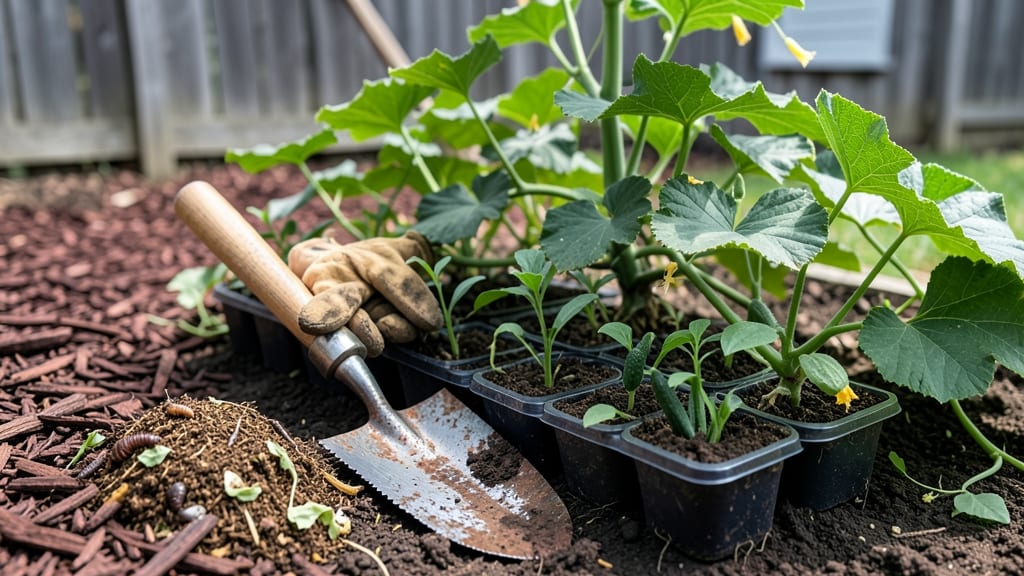
Timing your cucumber planting in Michigan can mean the difference between a bountiful harvest of crisp 🥒 or a sad, frost-nipped failure. With the state's 5b-6b climate zones, knowing exactly when to plant—typically between late April and mid-June—isn't just helpful, it's essential for success.
Most gardeners wait until after the last frost, usually around mid-May, when soil temperatures hit at least 60°F. But Michigan's varied regions mean your neighbors in Traverse City might plant earlier than those in Detroit, so local frost data is your best friend.
You don't need to start cucumbers indoors—most gardeners sow seeds directly in the ground once the soil warms up. This spring planting window gives you about 165 frost-free days to grow your vines before the first chill arrives in October.
In this guide, I'll break down the exact weeks before last frost you should plant, plus smart techniques to extend your harvest season. Let's get those cucumbers growing the right way!
Michigan cucumber planting calendar: exact weeks before last frost by zone
Michigan’s diverse climate means your cucumber planting timeline depends on whether you’re in the Upper Peninsula (UP), Northern Lower Peninsula (NLP), or Southern regions. Frost dates vary by 2-3 weeks, so knowing your zone is critical for avoiding frost damage while maximizing your harvest window.
Most Michigan gardeners aim to plant cucumbers 2-4 weeks after the last frost, but soil temperature matters just as much as air temperature.
Cucumbers thrive when soil reaches at least 60°F. In cooler UP regions, this might mean waiting until late May or early June, while Southern Michigan gardeners can start as early as late April.
Always check your local USDA Zone (5b-6b) and historical frost data—Detroit’s last frost averages May 15, but Traverse City’s can linger until May 25.
Use this planting calendar to pinpoint the best weeks for your region, plus soil prep tips to ensure your cucumbers sprout quickly and grow vigorously. Black plastic mulch can warm soil by 5-10°F, giving you an earlier start in cooler zones.
| Region | Last Frost Date | Planting Window | Soil Temp Goal | Notes |
|---|---|---|---|---|
| Upper Peninsula (Marquette, Houghton) | May 20–25 | Late May–Early June | 60°F+ | Use row covers for earlier starts; UP has shortest growing season. |
| Northern Lower Peninsula (Traverse City, Grand Rapids) | May 10–15 | Late April–Mid-May (with mulch) | 55–60°F | Black plastic mulch warms soil faster; ideal for bush varieties. |
| Southern Michigan (Detroit, Ann Arbor, Kalamazoo) | April 25–May 5 | Late April–Early May | 50–60°F | Longest growing season; perfect for vining varieties like 'Straight Eight'. |
For Detroit gardeners, aim to plant cucumbers by May 1 to ensure a 90-day harvest window before Michigan’s first frost (typically October 15). In Traverse City, wait until May 10 to avoid late-spring chills that stunt growth.
Always monitor your local Michigan State University Extension frost predictions for real-time updates.
If you’re unsure about your exact last frost date, use cold-hardy cucumber varieties like 'Northern Pickling' or 'Sweet Success,' which tolerate 45°F soil temps. These can be planted 1-2 weeks earlier than standard varieties, giving you a head start in cooler zones.
Pro tip: Test your soil temperature with a soil thermometer before planting. Cucumbers won’t germinate below 50°F, and slow growth below 60°F leads to weak vines and poor yields. In UP regions, consider starting seeds indoors 4-6 weeks before your target outdoor date to extend your season.
Once your soil is warm enough, direct-sow seeds 1 inch deep, spacing them 2–3 feet apart for vining types or 1–2 feet apart for bush varieties.
Thin seedlings to the strongest plant per spot to avoid competition. Mulch heavily with straw to retain moisture and suppress weeds—critical in Michigan’s variable summer rains.
Remember: Cucumbers are warm-season annuals, so they won’t survive frost. Plan your planting to ensure you harvest before September 15 in most of Michigan. For late varieties, consider succession planting every 2 weeks through June to stagger your harvest and avoid glutting your kitchen.
🥒
How to extend Michigan’s cucumber growing season with smart techniques
Michigan’s short growing season can feel like a race against time for cucumbers, but with the right strategies, you can enjoy fresh harvests from early summer well into fall. The key is balancing soil warmth, frost protection, and planting flexibility—whether you’re starting indoors or sowing directly.
Let’s explore how to stretch your cucumber season like a pro.
For gardeners eager to jumpstart their harvest, starting cucumbers indoors 3-4 weeks before your last frost date gives them a head start. Use biodegradable pots to avoid transplant shock, and place seedlings under grow lights or in a sunny window.
Harden off plants for a week before moving them outside after all frost danger has passed—this toughens them up for Michigan’s unpredictable spring weather.
Direct Sowing vs. Transplanting: What Works Best?
| Method | Pros | Cons |
|---|---|---|
| Direct Sowing | Faster, avoids transplant shock; better for warm soil | Slower to establish; risk of frost damage if planted too early |
| Transplanting | Earlier harvest; better control over growing conditions | Transplant shock possible; requires indoor space and lights |
*Best for Michigan: Start with direct sowing after last frost (mid-May) for most varieties, but transplant cold-hardy varieties like 'Northern Pickling' 4 weeks early for an extended harvest.
Don’t overlook row covers or low tunnels to protect young plants from late spring frosts. These lightweight fabrics raise soil temperatures by 2-4°F and shield seedlings from chilly nights. Remove covers when plants are established (about 4-6 inches tall) to prevent overheating.
For a late-season boost, try black plastic mulch—it warms the soil faster and suppresses weeds, giving cucumbers a longer growing window.
Succession planting is another game-changer. Instead of one big planting, sow cucumber seeds every 2 weeks from late May through early July. This ensures a steady supply of fresh cucumbers all season long.
Choose fast-maturing varieties (like 'Straight Eight' or 'Marketmore') for shorter harvest windows, or opt for longer-season types (like 'Lemon Cucumber') if you’re extending the season.
For container gardeners, bush cucumber varieties (like 'Bush Champion') are ideal—they thrive in pots and can be moved to sunnier spots as needed. Just ensure containers are at least 12 inches deep and use a high-quality potting mix with good drainage.
Water consistently, as potted plants dry out faster than in-ground vines.
Finally, keep an eye on the first frost date in your area. In Michigan’s USDA Zone 5b-6b, expect frost by mid-October, but varieties like 'Diva' or 'Sweet Success' can sometimes produce into early fall if given enough warmth.
Harvest all remaining cucumbers before the first frost—even if they’re not fully ripe, they’ll continue ripening indoors.