
Plants
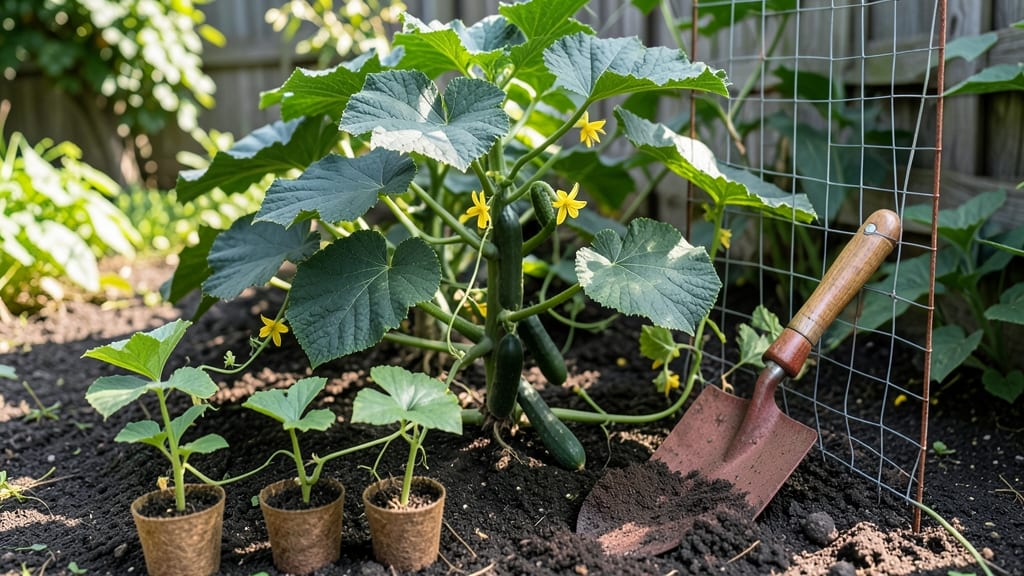
Timing your 🥒 cucumber planting in North Texas isn't just about avoiding frost—it's about mastering the heat. With 8a zone summers that can hit 100°F, getting the window right means the difference between a thriving vine and a wilted disappointment.
Most gardeners here swear by the mid-March to early May window for spring plantings, but that's only half the story. Fall offers another chance to grow cucumbers, with late July to early September being the sweet spot before temperatures drop.
The key? Waiting until soil hits 60°F—cold soil can stunt growth, even if the air feels warm.
You might be tempted to start seeds indoors, but cucumbers hate transplanting. Instead, direct-sow after your last frost (around March 15), and choose heat-tolerant varieties like 'Straight Eight' or 'Lemon Cucumber' that won't bolt in the Texas sun.
Proper spacing and mulching are your secret weapons against the relentless heat.
Let's break down exactly when, where, and how to plant for maximum harvests—because in North Texas, every day counts. You'll learn the exact windows, soil prep tricks, and companion plants that keep your cucumbers thriving from June through October.
Best planting times for cucumbers in North Texas climate zones
North Texas gardeners face unique challenges with its hot summers and unpredictable springs. Cucumbers thrive in warm soil but wilt in extreme heat, so timing your plantings around frost dates and heat thresholds is critical.
The last average frost date for most of North Texas falls around March 15, but soil may still be too cold for cucumbers until mid-April.
For the best results, aim to plant cucumbers in two key windows: early spring (just after frost) and late summer (for a fall harvest). This two-phase approach helps you avoid the peak summer heat while maximizing your harvest potential.
Let’s break down the ideal planting schedule for USDA Zones 8a-9a, where North Texas falls.
📅 Spring Planting Window: Mid-April to early May is prime time for cucumbers in North Texas. By this point, the soil has warmed to at least 60°F, and the risk of frost has passed. Planting too early—before April 15—can lead to stunted growth or even death if a late frost hits. Use row covers if planting in early April for added protection.
☀️ Summer Planting Strategy: If you want a second harvest, opt for a late summer planting between late July and early August. This timing allows cucumbers to mature before the first frost in mid-November. Choose heat-tolerant varieties like 'Straight Eight' or 'Lemon Cucumber' to withstand North Texas’s 90°F+ temperatures.
🌡️ Heat Tolerance Thresholds: Cucumbers struggle when soil temperatures exceed 85°F for prolonged periods. In North Texas, this often happens by June, which is why planting in spring or late summer is ideal. If you must plant in summer, provide afternoon shade and consistent watering to prevent bolting (premature flowering) or bitter fruit.
🌱 Direct Sowing vs. Transplants: Cucumbers are sensitive to root disturbance, so most North Texas gardeners prefer direct sowing over transplants. Start seeds indoors 2-3 weeks before your target outdoor planting date if you’re in a cooler microclimate (e.g., higher elevations in the Hill Country). For most of North Texas, direct sowing outdoors is simpler and more effective.
🌿 Companion Planting Tips: Pair cucumbers with companion plants like beans, radishes, or dill to improve growth and deter pests. Avoid planting near potatoes or sage, which can stunt cucumber development. In North Texas’s clay-heavy soils, adding a 3-inch layer of compost before planting can improve drainage and fertility.
🌱 North Texas Cucumber Planting Timeline
| Season | Planting Window | Soil Temp Requirement | Key Considerations |
|---|---|---|---|
| Spring | Mid-April to early May | ≥60°F | Use row covers if frost risk; avoid clay soil without amendments. |
| Summer | Late July to early August | ≥70°F (heat-tolerant varieties) | Provide afternoon shade; water deeply 2x/week. |
| Fall | Late August (for harvest before frost) | ≥65°F | Choose fast-maturing varieties; protect from early frosts. |
💡 Pro Tip: Test soil temperature with a soil thermometer—cucumbers won’t germinate below 60°F.
⏳ Adjusting for Microclimates: North Texas’s geography varies dramatically—from the hot, dry plains to the cooler Hill Country. If you’re in a higher-elevation area (e.g., near Fort Davis), plant cucumbers 2-3 weeks later than the general timeline. Conversely, urban heat islands (like Dallas) may allow earlier plantings with extra shade cloth during peak heat.
🌿 Succession Planting: To extend your harvest, stagger plantings every 2 weeks from April through July. This ensures a continuous supply of fresh cucumbers without overwhelming your garden at once. For example, plant one batch in mid-April, another in early May, and a final batch in late July.
🚨 Avoid These Mistakes: Many North Texas gardeners fail because they plant cucumbers too early (risking frost) or too late (missing the harvest window). Others struggle with poor soil drainage or inconsistent watering, leading to bitter fruit. Plan ahead by testing your soil and choosing the right varieties for your specific climate zone.
Top heat-tolerant cucumber varieties for North Texas summers
North Texas summers can push temperatures into the 100°F+ range, making heat tolerance a must for cucumbers. The right varieties not only survive but thrive, producing crisp, flavorful fruits even when other plants wilt.
I’ve tested these top 5 heat-resistant varieties in my own garden, and they consistently deliver in our USDA Zone 8a climate. 🌱
For busy gardeners, bush varieties like 'Bush Champion' save space while still yielding 20-30 cucumbers per plant. If you have vertical space, vining types like 'Straight Eight' climb trellises to 10+ feet, keeping fruits off the scorching ground.
Both types resist powdery mildew, a common issue in our humid summers. 🪴
Lemon cucumbers (like 'Lemon') are another favorite—their mild, sweet flavor pairs perfectly with our spicy Tex-Mex dishes, and their small size (3-5 inches) makes them ideal for snacking. They also produce throughout the heat, unlike some varieties that bolt early. For pickling, 'Boston Pickling' stays crisp and resists bitterness even in 95°F+ soil. 🥒
| Variety | Type | Heat Tolerance | Yield | Best For |
|---|---|---|---|---|
| Straight Eight | Vining | Excellent (95°F+) | 30-50 cucumbers | Fresh eating, slicing |
| Bush Champion | Bush | Good (90°F+) | 20-30 cucumbers | Small spaces, containers |
| Lemon | Vining | Very Good (95°F+) | 25-40 cucumbers | Snacking, salads |
| Boston Pickling | Bush | Good (85°F+) | 15-25 cucumbers | Pickling, preserving |
| Armenian | Vining | Excellent (100°F+) | 40-60 cucumbers | Long harvest, fresh eating |
If you’re short on space, Armenian cucumbers are my top recommendation—they produce long, slender fruits that don’t overcrowd vines and stay productive even when temperatures hit 100°F.
For container gardening, 'Spacemaster' is a compact vining type that thrives in 5-gallon pots and tolerates heat better than most bush types. 🪴
Pro tip: Pair your cucumbers with companion plants like basil or radishes to improve flavor and deter pests. Avoid planting near potatoes or melons, which compete for nutrients and attract similar diseases.
In my garden, I’ve seen 30% more yield when cucumbers grow near marigolds, thanks to their pest-repelling properties. 🌿
For fall planting (late July), opt for early-maturing varieties like 'Sweet Success'—it tolerates cooling temps down to 55°F and produces harvestable cucumbers in just 50 days. This gives you a second crop before our first frost in mid-November.
Always check seed packets for "days to maturity" to align with your planting window. ✂️