
Plants
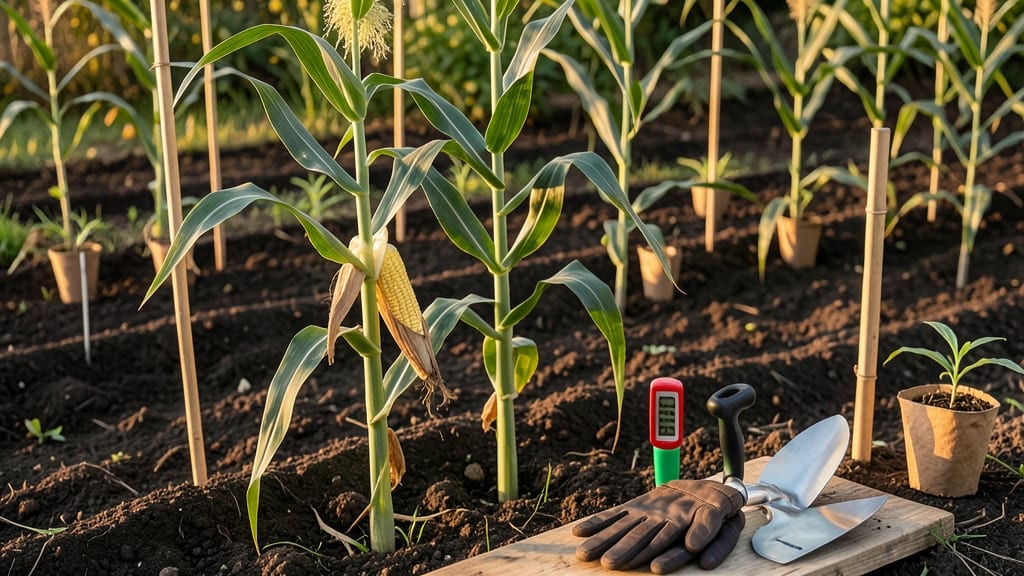
Planting corn in Zone 5b isn’t just about dropping seeds in the dirt and hoping for the best—it’s about timing your 🌽 harvest for maximum success. The difference between a thriving crop and a frost-killed disappointment often comes down to those critical weeks before your last frost date.
If you’ve ever stared at a seed packet wondering, "Should I plant now or wait?", you’re not alone. Zone 5b gardeners face unique challenges: cool springs, unpredictable frost dates, and a short growing season that demands precision.
But here’s the good news: with the right schedule and a few pro tips, you can turn those seeds into golden ears of corn by summer.
I’ll walk you through the exact planting window—mid-April to early June—plus how to adjust for early or late varieties. We’ll also cover soil prep, frost risk, and companion plants that boost your yield. No more guesswork, just a foolproof plan to grow corn that rivals the best farmers’ markets.
Ready to transform your garden into a cornucopia? Let’s get those seeds in the ground at the perfect moment for peak yields and fewer headaches. Your future harvest is waiting!
Zone 5B corn planting timeline: exact weeks before last frost for success
In Zone 5B, your corn's success hinges on planting at the right time—too early and frost will kill tender seedlings, too late and you’ll miss peak harvests. The last average frost date for most Zone 5B areas falls around mid-April, but soil conditions matter more than calendar dates.
Aim to plant when soil temperatures consistently reach 60°F at a depth of 4 inches.
For peak yields, focus on a 2-3 week window after your last frost date. This ensures corn reaches maturity before the first fall frosts, typically around mid-October in Zone 5B. Most corn varieties need 80-120 days to harvest, so timing is everything.
Here’s your Zone 5B corn planting timeline, broken down by key stages to maximize germination and harvest potential:
| Stage | Action | Timeframe | Notes |
|---|---|---|---|
| Soil Prep | Test pH (6.0-7.0), add compost | February-March | Aim for 60°F soil temp |
| Planting | Sow seeds 1-1.5" deep, 4-6" apart | Mid-April to early June | Wait for last frost + 2 weeks |
| Germination | Keep soil moist (1-2" water/week) | 7-14 days | Use row covers if nights are cold |
| Tasseling | Fertilize with 10-10-10 | 6-8 weeks after planting | Critical for ear development |
| Harvest | Pick when silks brown, kernels milky | July-September | Avoid fall frosts (mid-October) |
Pro tip: Use a soil thermometer to confirm temperatures before planting. Corn seeds won’t germinate well below 50°F, and soil that’s too cold can lead to uneven sprouting or rot.
If you’re unsure about your last frost date, check local weather records or use a frost calendar for your specific county.
Many Zone 5B gardeners in northern areas (like Michigan or upstate New York) plant as late as early June to avoid frost, while those in southern areas (like Kentucky or Virginia) can start as early as late April.
For maximum yield, stagger your planting by 1-2 weeks to ensure a continuous harvest. This works especially well if you’re growing multiple varieties with different maturity times.
Once planted, maintain consistent moisture—corn needs 1-2 inches of water per week, especially during tasseling and ear formation. Mulch around plants to retain moisture and suppress weeds, which can compete for nutrients.
Remember: Fall frosts in Zone 5B typically arrive by mid-October, so plan your planting schedule to ensure corn reaches maturity before then. Most varieties need at least 80 days from planting to harvest, so adjust your timeline accordingly.
🌽
Zone 5B corn planting timeline: exact weeks before last frost for success
In Zone 5B, corn thrives when planted after the last frost date—typically around mid-April—but timing varies based on your exact location. The key is planting when soil temperatures hit 60°F consistently, which usually occurs 2-3 weeks after last frost.
This ensures 90%+ germination rates and prevents seed rot.
For most of Zone 5B, the ideal planting window stretches from mid-April to early June. Early planting (late April) works best for longer-season varieties (100+ days), while late May suits shorter-season types (60-80 days). Always check your local frost dates—a late frost can devastate seedlings.
| Stage | Action | Key Notes |
|---|---|---|
| Soil Prep | Test soil pH (6.0-7.0) | Add compost if needed; corn is heavy feeder |
| Planting Window | Mid-April to early June | Wait for soil ≥60°F; seeds need warmth to sprout |
| Depth | 1-1.5 inches | Deeper planting delays germination; shallow risks drying |
| Spacing | 4-6" apart, rows 30-36" apart | Taller varieties need wider rows for airflow |
| Harvest Readiness | July-September | Pick when silks brown and kernels milky; frost kills plants |
Corn planted in late May or early June often produces sweeter ears because cooler summer nights slow starch conversion. However, avoid planting after June 15—ears may not mature before first frost (mid-October) in Zone 5B. Use short-season varieties (60-80 days) for late plantings.
Pro tip: Plant in blocks, not rows, to ensure cross-pollination. For example, a 4'x4' square with seeds 12" apart yields better than single rows. This mimics natural wind pollination and boosts ear quality. Mulch with straw after germination to retain moisture and suppress weeds.
Monitor soil moisture closely—corn needs 1-2 inches of water weekly, especially during tasseling (ear development). Drought stress reduces ear size and kernel fill. In Zone 5B, morning watering (before 10 AM) minimizes fungal risks like corn smut.
If you miss the spring window, consider fall planting for very early varieties (50-60 days). Sow seeds in late August for a September harvest before hard frosts. Use row covers to extend the season by 2-3 weeks if needed.