
Plants
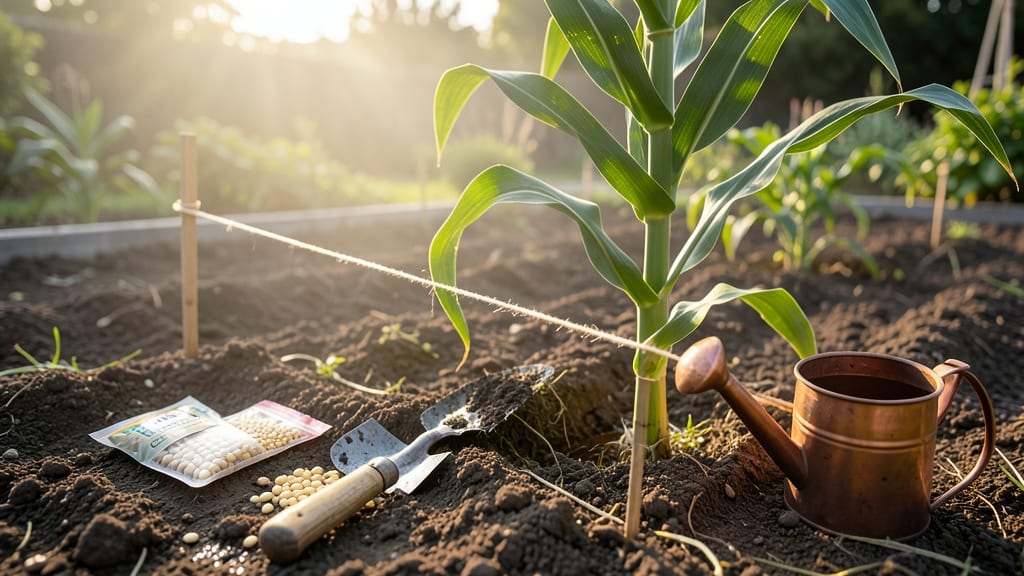
Planting corn in Oklahoma at the wrong time can turn your dream harvest into a disappointing flop—especially when unpredictable spring weather throws off your timing.
The difference between 6-foot stalks of sweet 🌽 and stunted, frost-nipped failures often comes down to knowing the exact window when soil warms and frost risks fade.
Oklahoma’s USDA zones 6a-8a give growers a 3-month window from mid-April to early June, but not all dates work equally well. Panhandle farmers might start in late March, while eastern Oklahoma gardeners should wait until early May to avoid late frosts that can kill young seedlings before they even sprout.
What you’ll discover here is how to align your planting with Oklahoma’s last frost dates, soil temperature thresholds (60°F+ for germination), and regional microclimates—plus the 3 biggest mistakes that wreck harvests before they begin.
Whether you’re a first-time gardener or a seasoned farmer, these insights will help you maximize yields by planting at the precise moment when Oklahoma’s spring finally cooperates.
Oklahoma’s last frost dates and ideal corn planting windows by region
Oklahoma’s diverse climate means your corn planting window varies dramatically from the Panhandle to the Eastern forests. The state spans USDA zones 6a-8a, so timing your corn seeds depends on when the last frost hits your specific area.
For most of Oklahoma, the last frost date typically falls between mid-March and early April, but this can shift by weeks depending on elevation and microclimates.
To maximize your corn yield, plant 2-3 weeks after your region’s average last frost date. This ensures soil temperatures reach the 60°F+ threshold corn needs to germinate.
In cooler zones like the Panhandle (6a-7a), start in late April, while Central and Eastern Oklahoma (7b-8a) can begin as early as mid-April.
Here’s how to align your planting with Oklahoma’s frost zones for optimal corn growth:
| Region | USDA Zone | Avg. Last Frost | Ideal Planting Window | Notes |
|---|---|---|---|---|
| Panhandle | 6a-7a | Mid-April | Late April to early May | Cooler soils; use black plastic mulch |
| Western OK | 7a-7b | Early April | Mid-April to late April | Drought-prone; irrigate well |
| Central OK | 7b-8a | Late March | Mid-April to early June | Most reliable yields; best for beginners |
| Eastern OK | 7b-8a | Early April | Late March (late) to early May | Higher humidity; watch for fungal diseases |
For early-season varieties (like Silver Queen or Peaches and Cream), you can push planting to late March in Eastern Oklahoma if you’re willing to risk a light frost.
Conversely, late-season varieties (such as Black Aztec) can handle hotter summers and should be planted by mid-June in all regions.
Pro tip: Use biodegradable planting pots or row covers to protect seedlings if you plant early. These can add 2-4°F warmth to the soil, accelerating germination by up to 10 days in cooler zones like the Panhandle.
Always check your local Cooperative Extension Service for year-specific frost data. For example, the 2023 last frost in Oklahoma City occurred on April 5, while Tulsa saw frost as late as April 12. These shifts can drastically alter your planting schedule.
If you’re unsure about your exact last frost date, err on the side of planting later. Corn is more forgiving of heat delays than cold snaps, and a 2-week delay in planting is better than frost-killed seedlings.
For succession planting, Oklahoma gardeners often stagger corn varieties every 2 weeks from April to June. This ensures a continuous harvest through late summer and fall, maximizing your garden’s productivity.
🌽
How soil temperature and weather conditions affect corn planting timing
Corn thrives when planted in warm soil—aim for at least 50°F for germination, but 60°F+ ensures faster growth.
In Oklahoma, soil warms unevenly across regions, so timing matters. Panhandle areas often hit ideal temps by mid-April, while Eastern Oklahoma may need to wait until late April or early May.
Use a soil thermometer to check depth (1-2 inches). If temps dip below 50°F, delay planting—cold soil causes poor germination and weak seedlings. Oklahoma’s unpredictable spring can bring late frosts or sudden heatwaves, so flexibility is key.
Soil Temp & Weather Rules for Oklahoma Corn
- Minimum soil temp: 50°F (germination), 60°F+ (optimal growth)
- Last frost buffer: Plant 2+ weeks after average last frost date
- Heatwave risk: Avoid planting in 90°F+ soil (dries out seeds)
- Rainfall need: 1-2 inches/week during tasseling (6-8 weeks post-planting)
- Drought sign: Silks dry before pollination = poor ear fill
Oklahoma’s variable rainfall also impacts timing. Plant during consistent moisture—drought stress during pollination (tasseling) leads to empty ears. If your area faces dry spells, opt for drought-tolerant varieties like Pioneer Brand 39T31 or Silver Queen, which handle heat better.
Watch for heatwaves after planting. Soil temps above 90°F can scorch seeds or cause irregular germination. Use shade cloth or mulch to regulate temps if early planting is necessary. Morning planting (before 10 AM) helps seeds stay cooler.
Adjust for Oklahoma’s microclimates. Elevated areas (like the Wichita Mountains) warm faster than valleys. Low-lying regions (e.g., Arkansas River valley) may stay cooler longer. Local cooperative extension offices provide region-specific frost data—check theirs for precise timing.
Finally, succession planting works in Oklahoma’s long growing season. After your first planting, add short-season varieties (like Bodacious) every 2-3 weeks until mid-June to extend harvests through October. Just ensure each batch gets 90+ days to maturity.