
Plants
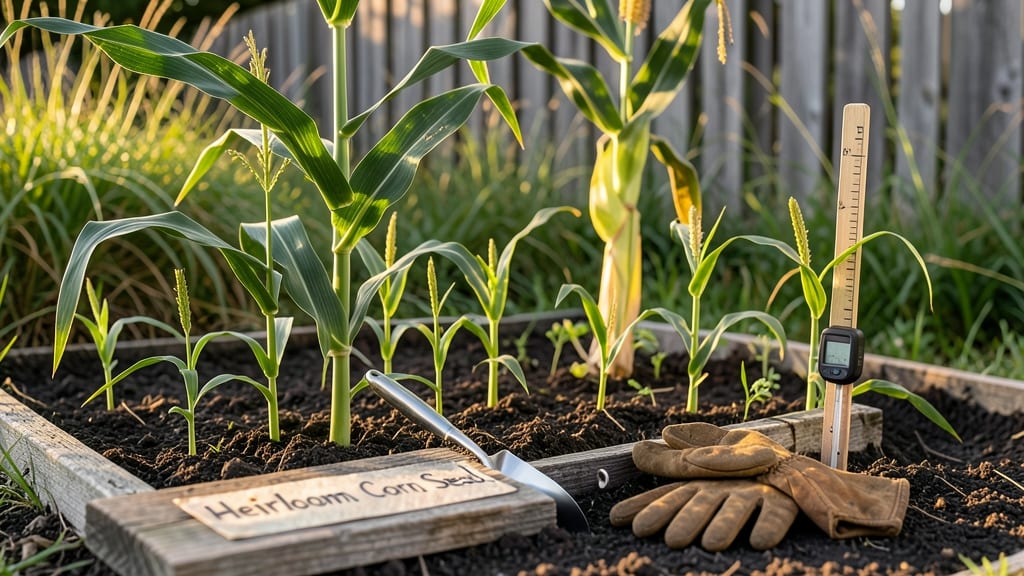
Timing your 🌽 corn planting in Nebraska isn’t just about the calendar—it’s about catching that sweet spot between frost risk and soil warmth. Plant too early, and chilly temperatures slow germination to a crawl; wait too long, and you miss the prime growing window.
The key to fast germination and robust stalks lies in understanding your region’s microclimate and soil temperature trends.
Most Nebraska gardeners know the general window—mid-April to early June—but the real secret is waiting for soil to hit 60°F or warmer. In USDA zones 5a-6b, this can vary by weeks depending on whether you’re in the Panhandle’s drier climate or the eastern plains’ slower-warming soils.
Skipping the guesswork means checking soil temps with a thermometer, not just the weather forecast.
What you’ll discover here are the exact planting strategies used by Nebraska Extension experts to maximize yields. We’ll break down regional differences, frost risk charts, and even backup plans for those unpredictable spring cold snaps that can derail your best-laid plans. Ready to plant with confidence?
From soil warming hacks to companion planting tricks, these proven methods will help you avoid the most common mistakes—like planting too deep or ignoring moisture levels—that turn potential harvests into disappointment. Let’s get your 🌽 corn off to the fastest, healthiest start possible.
Optimal soil temperature ranges for corn germination in Nebraska
Corn thrives when planted in warm soil, but Nebraska’s variable spring temperatures can delay germination if you’re not careful. The ideal soil temperature range for corn seeds to sprout is between 50°F and 60°F, with 60°F to 86°F needed for rapid growth.
In Nebraska’s USDA Zones 5a-6b, soil warms gradually, so timing is everything.
If your soil is below 50°F, seeds may rot before sprouting. Conversely, soil above 86°F can stress young plants, leading to poor root development. Nebraska’s three distinct regions—Panhandle, East, and West—each have unique soil warming patterns, so local data matters more than general rules.
To check your soil temperature, use a soil thermometer (available at garden centers for under $10). Insert it 2 inches deep in the morning—this mimics where seeds will sit.
If the reading is below 50°F, wait a few days or use soil warming techniques like black plastic mulch to speed up the process.
Nebraska Extension recommends waiting until the average daily soil temperature at a 4-inch depth stays above 60°F for at least 5 consecutive days. This ensures consistent germination and reduces the risk of seedling diseases caused by cold, damp soil.
| Stage | Ideal Soil Temp (°F) | Nebraska Region Notes | Risk if Incorrect |
|---|---|---|---|
| Germination | 50–60°F | Panhandle: 2 weeks later than East Nebraska | Seeds rot or fail to sprout |
| Rapid Growth | 60–86°F | East Nebraska warms fastest; West lags | Stunted roots, weak stalks |
| Tasseling/Ear Formation | 70–86°F | All regions peak in June-July | Poor pollination, small ears |
| Harvest Readiness | 60–75°F | Early harvest in East; late in Panhandle | Dry kernels, shriveled ears |
Nebraska’s Panhandle region (Zone 5a) often has the latest soil warming, with ideal planting temps arriving in mid-to-late May. In contrast, East Nebraska (Zone 6b) can plant as early as mid-April if soil temps cooperate.
The West Central area falls somewhere in between, typically aligning with late April to early May.
For precise timing, cross-reference your soil thermometer readings with Nebraska’s historical frost data. The average last frost date for most of the state is around April 15, but planting too soon—even if soil is warm—can risk a late frost killing tender seedlings.
Aim to plant 2 weeks after the last frost date to ensure safety.
If you’re unsure about your local microclimate, check the Nebraska State Climate Office or your county extension office for region-specific data. They provide free soil temperature maps and planting calendars tailored to your area, which can save your crop from avoidable setbacks.
Remember, corn seeds germinate best in moist, warm soil. After planting, keep the soil consistently damp (but not soggy) until germination occurs. Use a light mulch like straw to retain moisture and regulate soil temperature—this is especially helpful in Nebraska’s dry springs.
Best planting months in Nebraska by region (with frost risk charts)
Nebraska’s three distinct regions—Panhandle, East, and West—each have unique frost patterns and planting windows. Understanding these differences helps you avoid late spring frosts that can devastate young corn seedlings. The Panhandle (Zone 4a) typically warms fastest, while the East (Zone 6a) has later frost dates.
Use these regional guidelines to align your planting with Nebraska Extension’s frost data. For example, Lincoln’s average last frost is May 1, but Scottsbluff’s is April 15. Always wait 2 weeks after the last frost to ensure soil warmth and seedling safety.
🌽 Pro Tip: Check your local USDA Plant Hardiness Zone and adjust planting dates by 1-2 weeks if your area runs colder.
| Region | USDA Zone | Ideal Planting Window | Last Frost Date | Soil Temp Goal |
|---|---|---|---|---|
| Panhandle | 4a-5a | Mid-April to late May | April 15 | 60°F+ |
| East (Omaha/Lincoln) | 5b-6a | Late April to early June | May 1 | 60°F+ |
| West (Cheyenne) | 5a-6a | Late April to early May | April 25 | 60°F+ |
For extra precision, invest in a soil thermometer ($10-$15) to confirm temperatures. Corn seeds need consistent 60°F+ soil for germination—cold, damp soil delays sprouting and invites rot. If your soil stays below 50°F, use black plastic mulch to warm it faster.
🌡️ Warning: Planting too early in Zone 4a (Panhandle) risks frost damage, while Zone 6a (East) can handle late May plantings if soil is warm. Always prioritize soil temperature over calendar dates.
If your spring is unusually cold, opt for fast-maturing varieties (e.g., ‘Early Sunglow’, maturing in 70 days) to hedge against delays. For southern Nebraska, late June plantings can still yield sweet corn if irrigated properly.